metal enclosure design
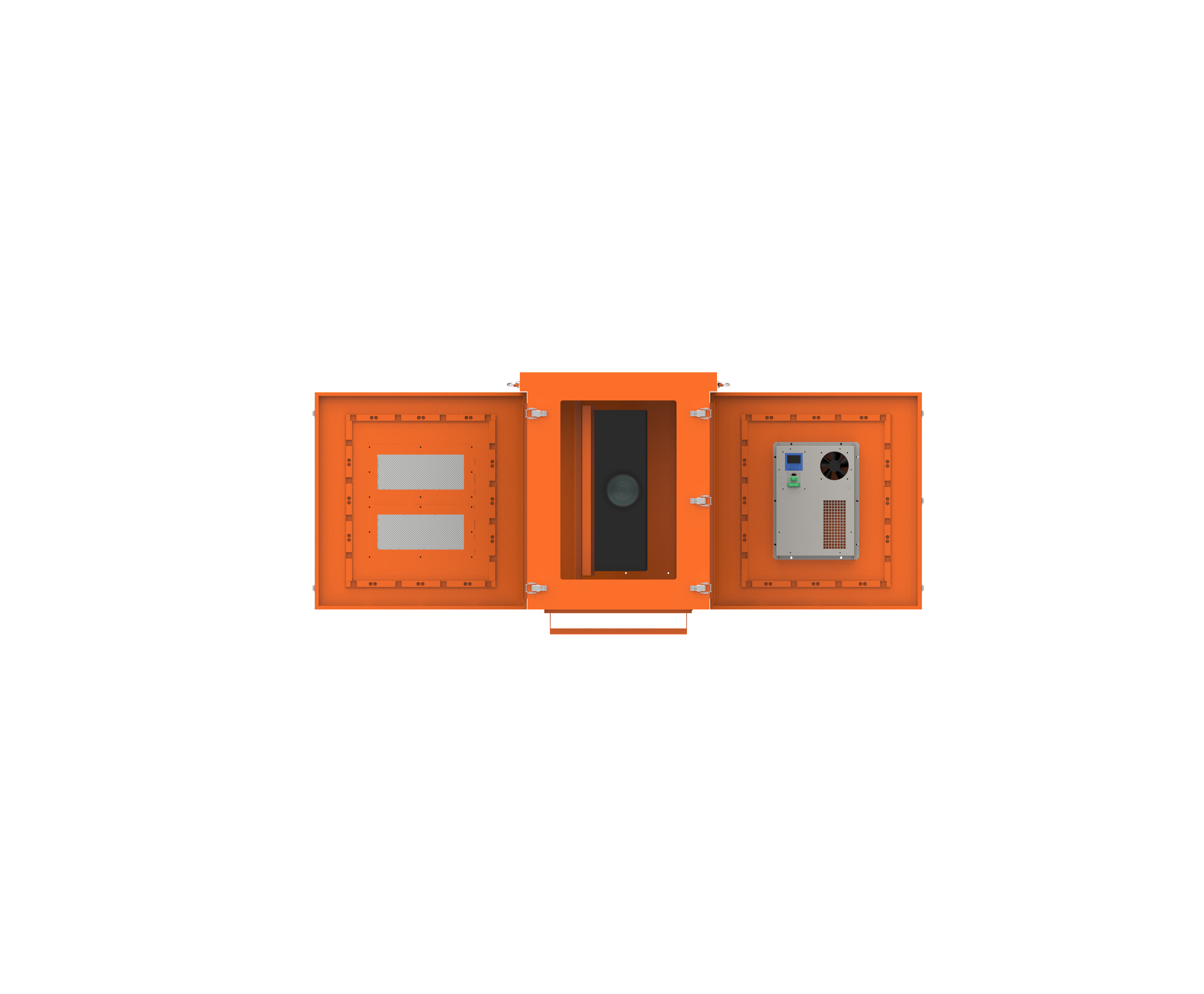
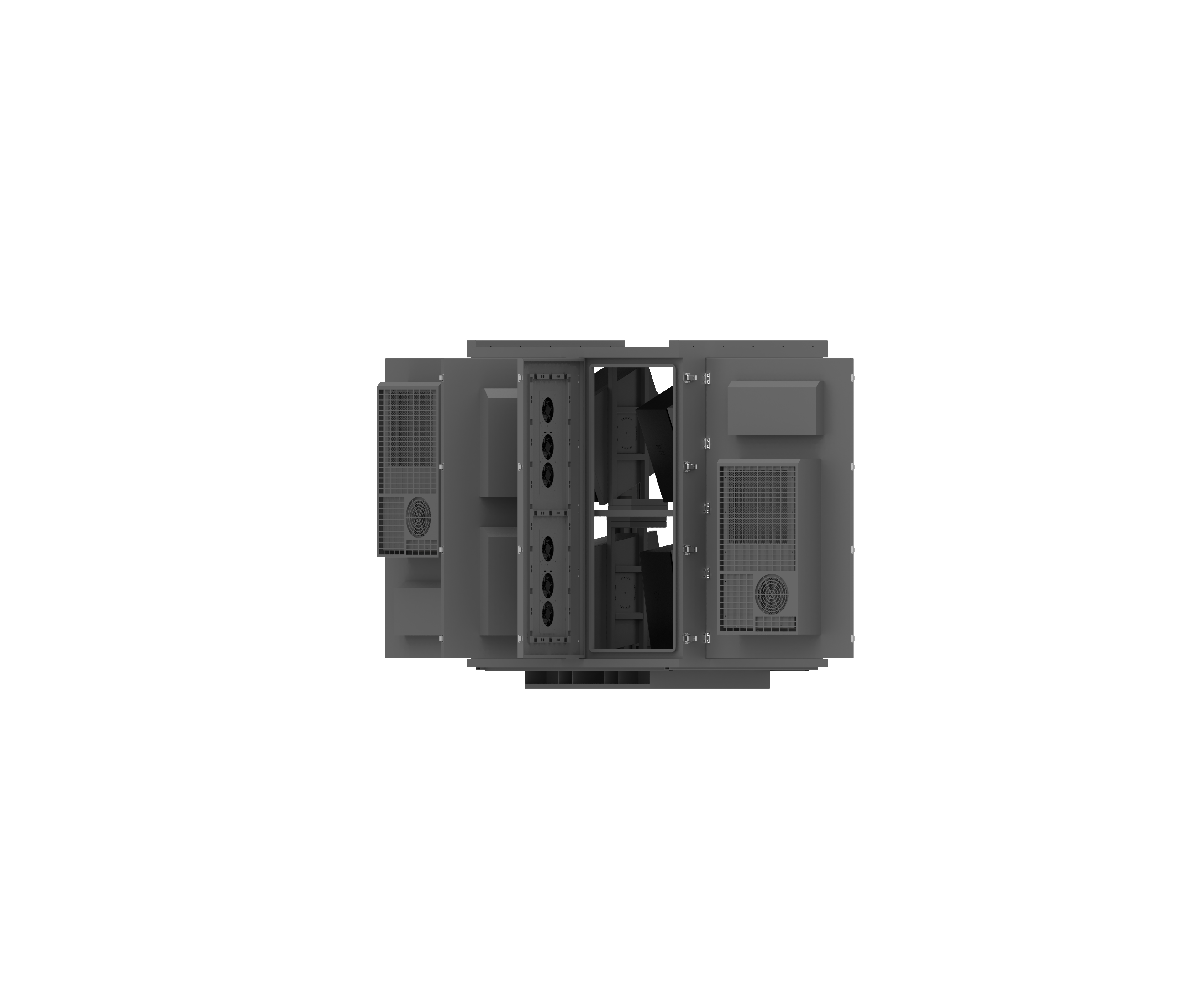
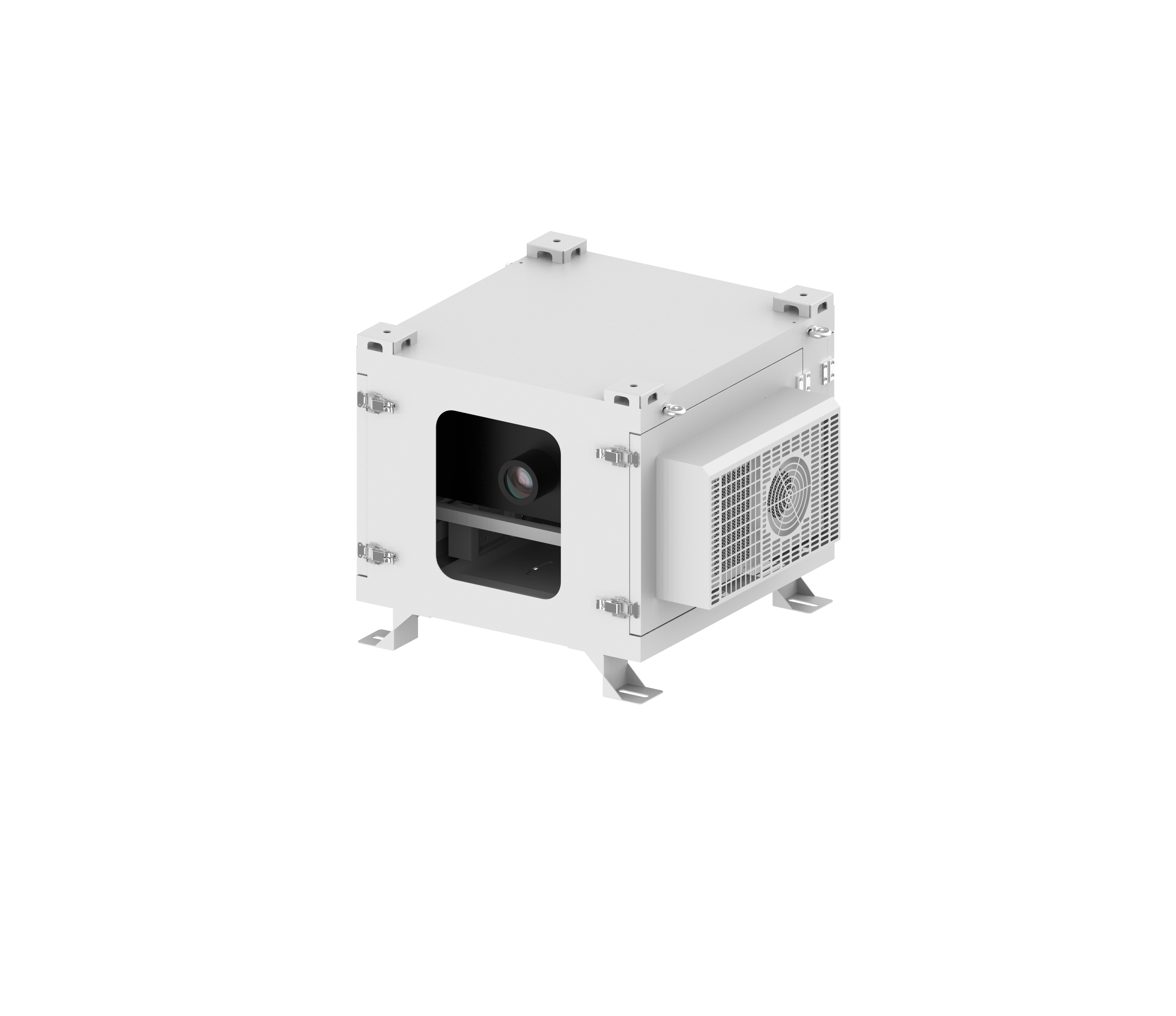
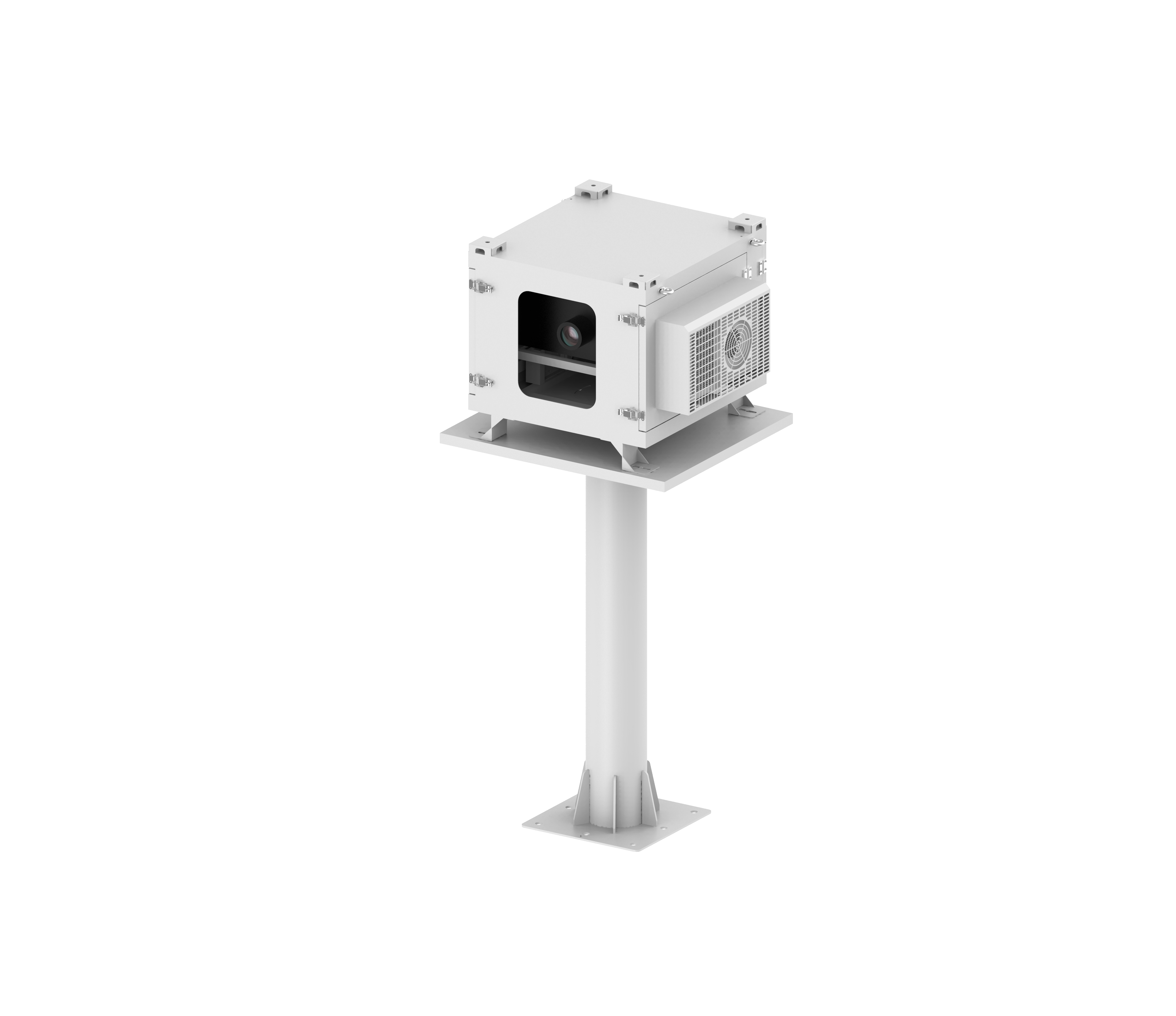
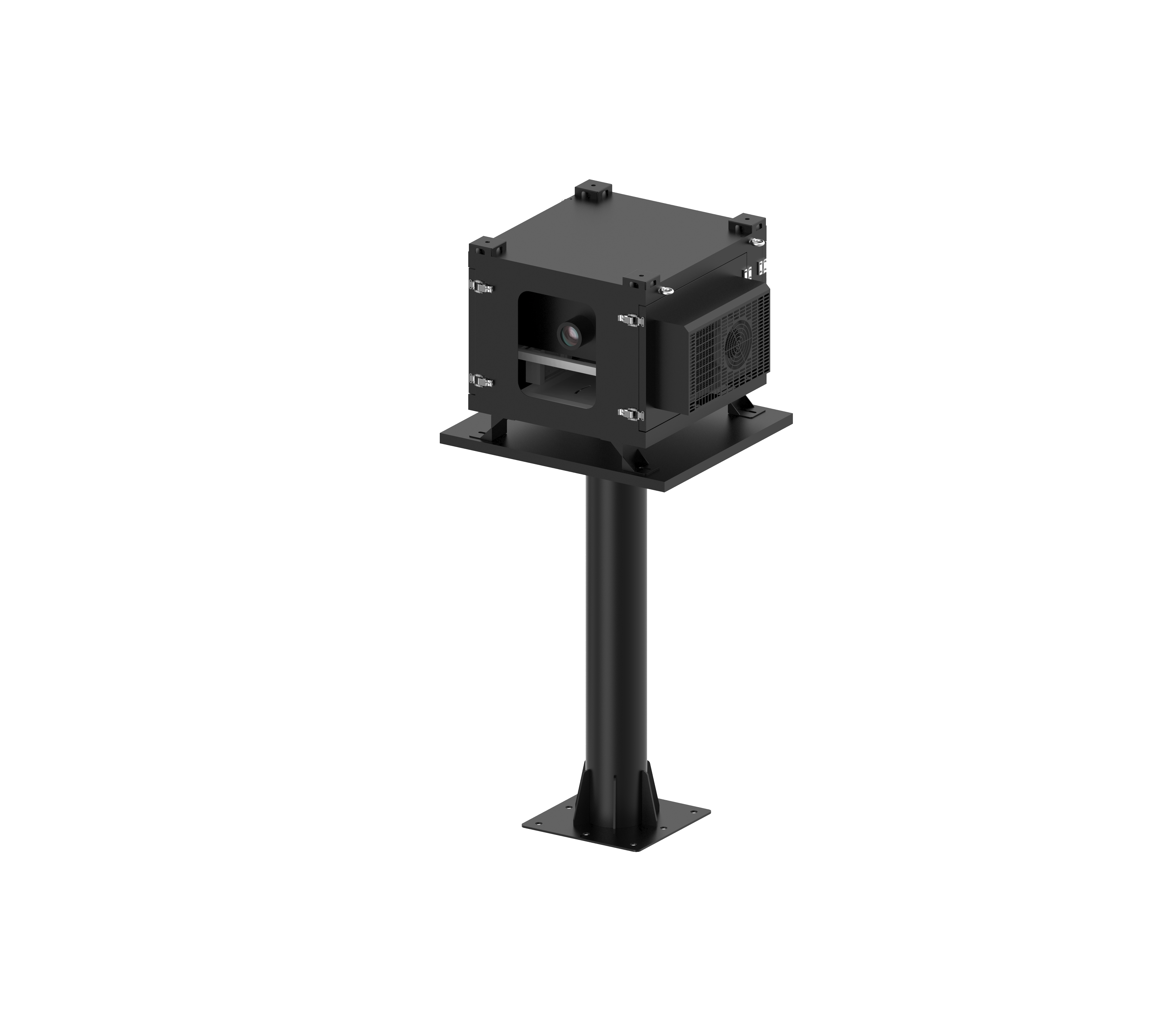
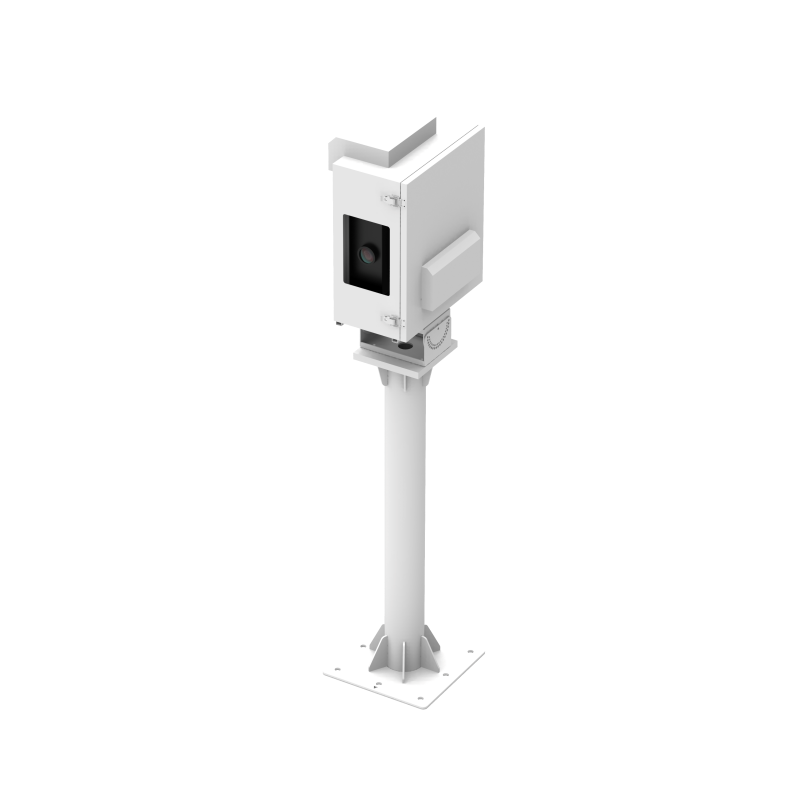
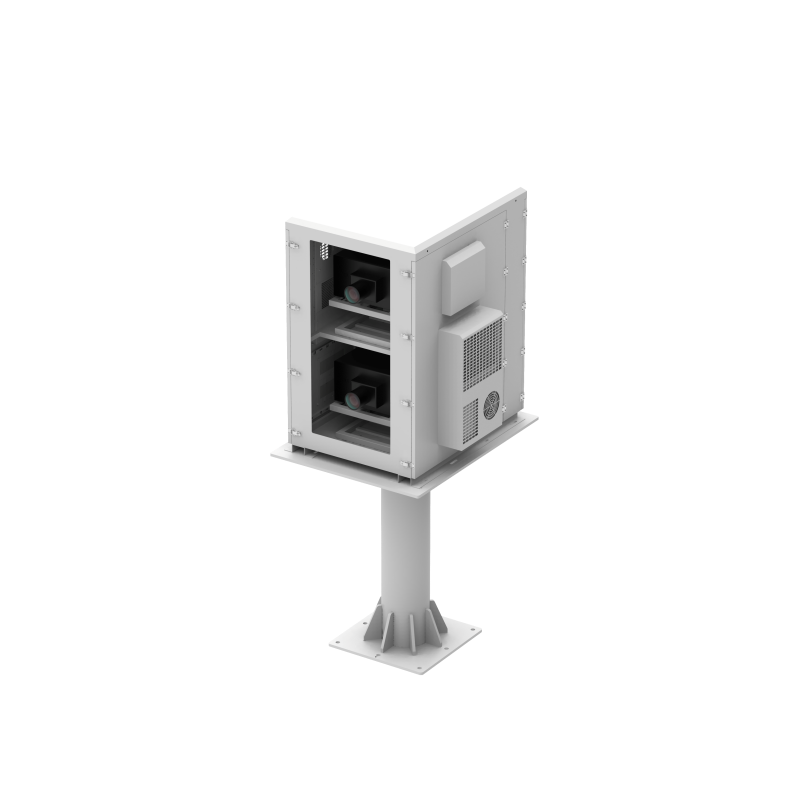
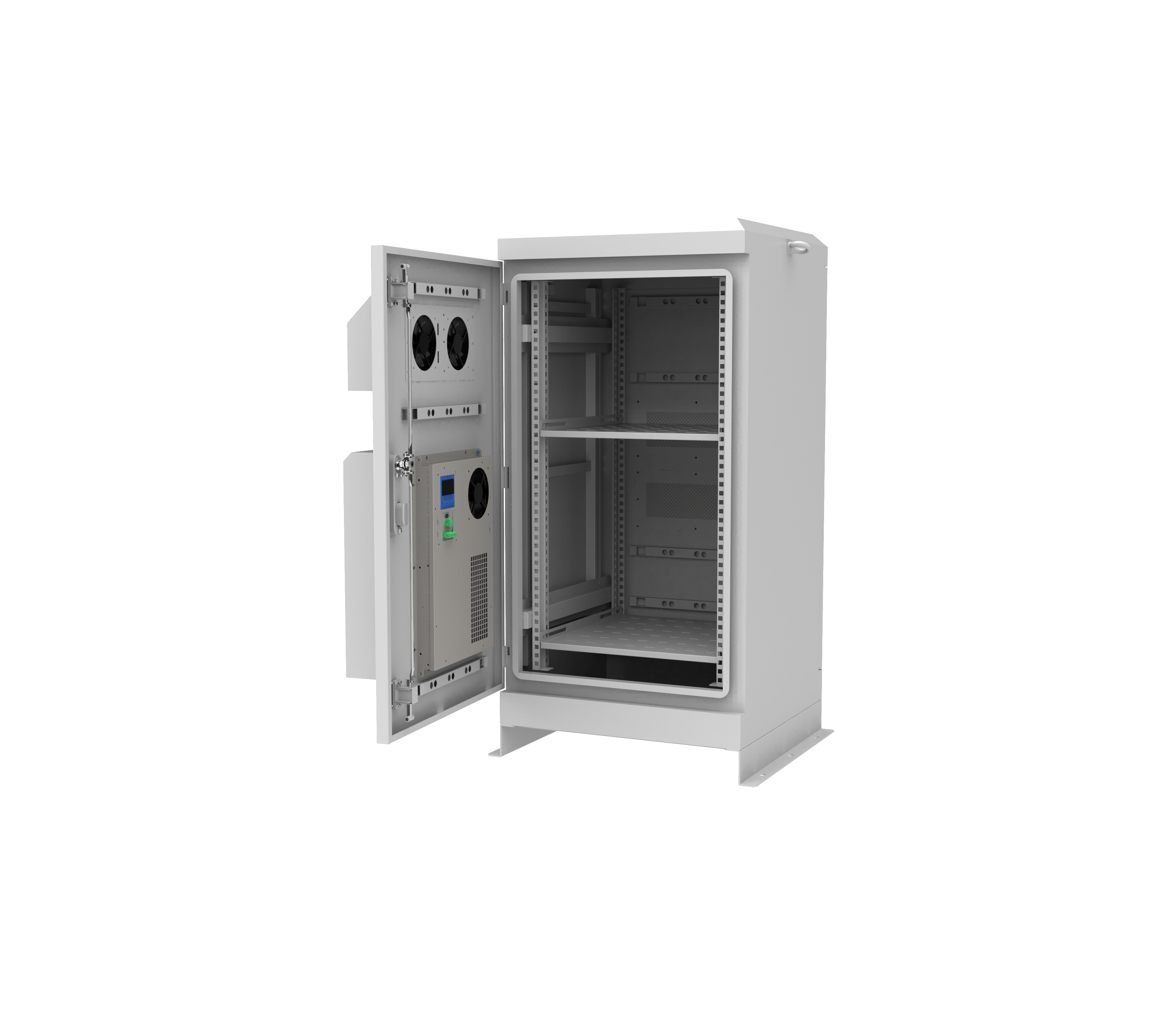
Metal enclosure design is a specialized engineering discipline focused on creating protective housings that safeguard electronic components, industrial equipment, and control systems from environmental hazards and physical damage. This design process encompasses selecting appropriate materials, determining optimal dimensions, and integrating functional features such as ventilation systems, mounting provisions, and access points. A well-executed metal enclosure design considers thermal management requirements, electromagnetic interference shielding, ingress protection ratings, and compliance with international safety standards. Engineers specializing in metal enclosure design evaluate factors including operating environments, equipment specifications, and installation constraints to deliver solutions that balance protection, accessibility, and cost-effectiveness. The design typically incorporates features like removable panels for maintenance access, cable entry points with strain relief, and mounting brackets for internal component organization. Advanced metal enclosure design may include thermal dissipation elements such as heat sinks or forced ventilation systems to manage internal temperatures. Corrosion-resistant coatings and finishes are often specified to extend service life in harsh environments. Whether protecting sensitive electronics in outdoor installations, housing industrial automation systems, or securing telecommunications infrastructure, metal enclosure design serves as the critical first line of defense against dust, moisture, temperature extremes, vandalism, and accidental impact. The discipline requires understanding material properties, manufacturing processes, assembly methods, and end-user operational requirements to deliver enclosures that provide reliable long-term protection while facilitating efficient installation and maintenance procedures.