
 EN
EN
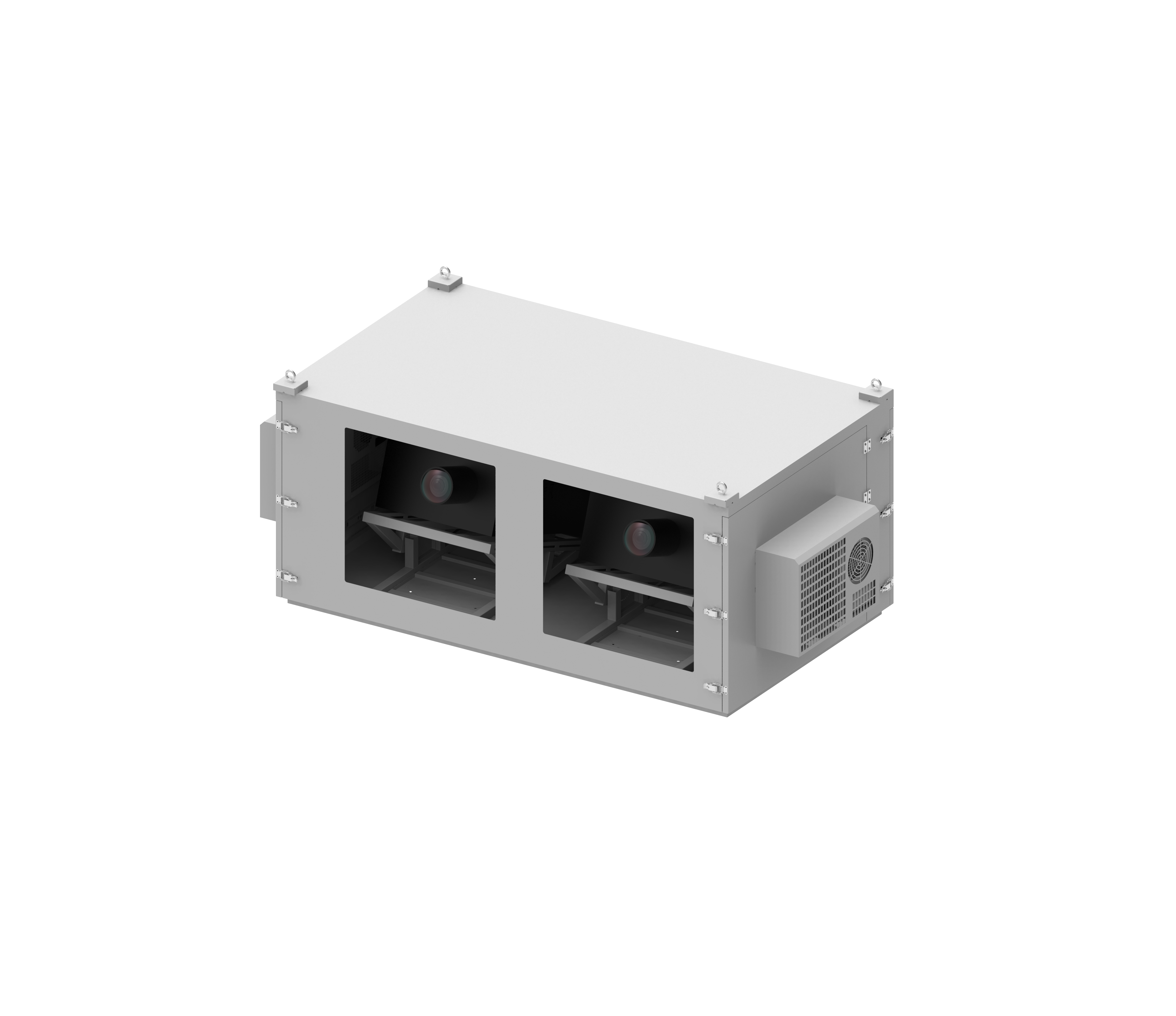
When you invest in a high-performance projector for outdoor use, protecting that investment becomes just as important as the projection itself. An outdoor projector waterproof housing is not merely an accessory — it is a critical piece of infrastructure that determines whether your projection system will perform reliably across seasons, weather conditions, and demanding industrial or commercial environments. Without the right enclosure, even the most powerful projector can be rendered useless by moisture, dust, extreme temperatures, or physical impact.
Choosing a durable outdoor projector waterproof housing is a decision grounded in practical necessity. Whether you are deploying projection systems for large-scale outdoor advertising, stadium displays, architectural projection mapping, or industrial site communication, the quality and durability of the housing directly impacts system uptime, maintenance costs, and long-term return on investment. This article explores the core reasons why durability in an outdoor projector waterproof housing is not optional but essential.
The Environmental Threats That Make Durability Non-Negotiable
Water and Moisture Ingress
Outdoor environments expose electronic equipment to a wide range of moisture threats — from light rain and morning dew to heavy storms and high-humidity coastal air. A projector operating without a proper outdoor projector waterproof housing is vulnerable to water infiltrating its internal optics, lens, and circuit boards. Even small amounts of moisture can cause corrosion, short circuits, or permanent optical damage that results in costly repairs or full replacement.
A durable outdoor projector waterproof housing is engineered with sealed gaskets, precision-fitted covers, and IP-rated protection standards to prevent water ingress at every point of entry. IP65 or IP66-rated housings, for example, are designed to withstand direct water jets and heavy rainfall — ensuring that your projector continues operating without interruption regardless of weather conditions. This level of protection is especially important in regions with unpredictable climates or during year-round outdoor installations.
Choosing a housing with verified waterproof certification means you are not relying on guesswork. The enclosure has been tested and validated under controlled conditions, giving operators confidence that the projector inside is genuinely protected. For commercial and industrial deployment, this kind of assurance is a baseline requirement, not a premium feature.
Dust, Debris, and Airborne Particles
Alongside water, airborne particles represent a serious threat to unprotected outdoor projectors. Dust, sand, pollen, insect debris, and industrial particulate matter can infiltrate projector ventilation channels and settle on optical components. Over time, this contamination degrades image quality, causes overheating by blocking airflow, and shortens the operational lifespan of the device significantly.
A well-designed outdoor projector waterproof housing incorporates dustproof features that seal the projector from particulate ingress while still allowing effective heat management through filtered or managed airflow systems. High-grade housings often include positive pressure ventilation, internal filtration, and sealed optical windows to keep internal components clean without compromising thermal performance.
This dual protection — waterproof and dustproof — is what elevates a durable enclosure above a basic cover. In outdoor environments where both moisture and dust coexist, half-measures are not enough. The enclosure must address both threats simultaneously to provide meaningful protection over the long term.
Why Structural Durability Matters Beyond Weatherproofing
Physical Robustness and Vandal Resistance
An outdoor projector waterproof housing installed in a public space, commercial venue, or industrial site is exposed not only to weather but also to physical risk. Vibrations from heavy machinery, accidental impacts, and in some cases deliberate interference can pose real threats to projection equipment. A structurally weak enclosure may crack, deform, or fail at its seal points even if it was initially waterproof-rated.
Durable housings are typically constructed from heavy-gauge aluminum alloy, stainless steel, or reinforced composite materials that resist deformation under physical stress. These materials are chosen not only for their strength but for their resistance to corrosion in outdoor conditions. A housing that maintains its structural integrity over years of deployment protects the projector inside and reduces the frequency of inspections and replacements.
For venues where public access is a factor, additional robustness features such as tamper-resistant fasteners and reinforced mounting brackets ensure that the enclosure stays securely in place and that internal components remain protected. This is a key reason why durability should be evaluated holistically — not just as a measure of weatherproofing but as a complete protection strategy.
Thermal Management and Long-Term Reliability
One of the most overlooked aspects of a durable outdoor projector waterproof housing is its thermal management design. Projectors generate significant heat during operation, and in sealed outdoor enclosures, managing this heat becomes a critical engineering challenge. An enclosure that traps heat will cause the projector to overheat, throttle its brightness, or shut down prematurely — defeating the purpose of outdoor deployment.
Quality outdoor projector waterproof housings are designed with integrated thermal management systems. These may include thermostatically controlled fans, heat exchangers, filtered ventilation pathways, and internal airflow optimization to ensure that operating temperatures remain within safe ranges. In extreme climates — whether intensely hot summer environments or freezing winter conditions — these systems become even more critical to sustained performance.
Investing in an enclosure with robust thermal management translates directly into longer projector lamp or laser life, consistent brightness output, and fewer thermal shutdowns. For commercial installations where unplanned downtime carries financial consequences, this reliability is a compelling economic justification for choosing a durable, high-specification enclosure.
The Business Case for Choosing a High-Quality Enclosure
Reducing Total Cost of Ownership
The upfront cost of a premium outdoor projector waterproof housing is often cited as a reason to choose a cheaper alternative. However, this perspective ignores the total cost of ownership — a calculation that includes maintenance labor, replacement parts, lost operational time, and the cost of replacing damaged projectors. A low-quality enclosure that fails after one winter season effectively doubles or triples the total cost of the installation.
A durable enclosure, by contrast, is designed for multi-year deployment with minimal maintenance requirements. It protects a projector that may represent a significant capital investment — sometimes tens of thousands of dollars in high-brightness commercial or industrial units — and allows that projector to operate at full performance for its intended lifespan. When this durability is calculated against the cost of failures, the value proposition of quality becomes unmistakable.
For operators managing multiple outdoor projection installations, this equation scales proportionally. Even a modest reduction in maintenance visits per site per year can generate substantial savings across a portfolio of installations. Choosing the right outdoor projector waterproof housing is therefore not just a technical decision — it is a financially strategic one.
Enabling High-Brightness Outdoor Applications
Modern outdoor projection applications demand extremely high lumen outputs to overcome ambient light conditions. Projectors used for outdoor advertising, event projection, or architectural illumination routinely operate at 20,000 to 40,000 lumens or more. These high-output projectors generate more heat, require more robust mounting solutions, and are substantially more expensive to replace — making their protection all the more critical.
A durable outdoor projector waterproof housing designed for high-brightness projectors provides the structural and thermal capacity to support these demanding devices safely. The outdoor projector waterproof housing engineered for 40,000-lumen projectors, for instance, must accommodate larger heat loads, heavier projector weights, and more demanding mounting configurations than standard enclosures. Specifying the right enclosure for the projector's output class is essential to ensuring both safety and performance.
Under-specifying the enclosure — choosing one rated for lower brightness or lighter duty — creates risk not only for the projector but for the installation as a whole. In applications where the projection system is part of a revenue-generating or mission-critical operation, this risk carries real financial and reputational consequences.
Key Selection Criteria for a Durable Outdoor Projector Waterproof Housing
IP Rating and Certification Standards
The IP (Ingress Protection) rating is the most widely recognized standard for evaluating the protective capability of an outdoor projector waterproof housing. The rating uses two digits — the first indicating solid particle protection and the second indicating liquid protection. For truly outdoor-capable enclosures, a minimum of IP65 is advisable, with IP66 or higher preferred for environments that experience heavy rainfall or direct water exposure.
When evaluating housings, it is important to verify that the IP rating has been independently tested and certified rather than self-declared by the manufacturer. Certified ratings mean the enclosure has undergone standardized testing under controlled conditions and has passed defined performance thresholds. This matters particularly in commercial and industrial deployments where regulatory compliance and liability considerations may apply.
Beyond the IP rating, look for additional certifications relevant to your specific operating environment — such as ratings for corrosive marine environments, high UV exposure, or extreme temperature ranges. These extended certifications reflect a more comprehensive engineering approach to durability that goes beyond basic weatherproofing.
Build Quality, Mounting Flexibility, and Optical Clarity
The physical construction of an outdoor projector waterproof housing should be evaluated for material quality, finish durability, and build precision. Enclosures manufactured from anodized aluminum or powder-coated steel offer a combination of corrosion resistance and structural strength that supports long-term outdoor deployment. Precision manufacturing ensures that seals fit correctly and maintain their integrity over repeated thermal cycling.
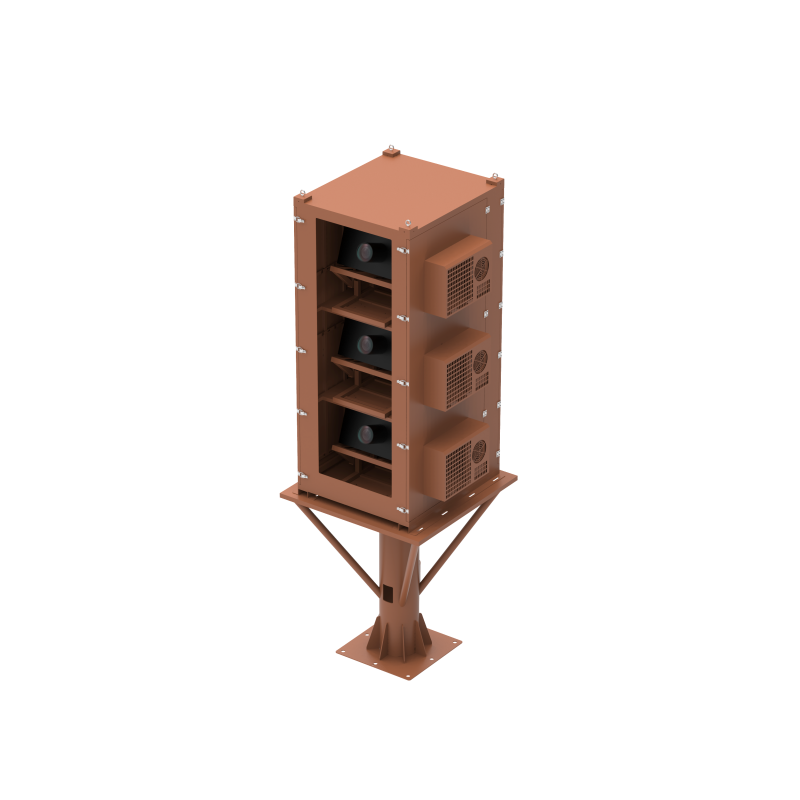
Mounting flexibility is another critical criterion. Outdoor projection systems are installed in diverse orientations — ceiling-mounted, wall-mounted, on poles, or on custom structures. A durable outdoor projector waterproof housing should offer versatile mounting configurations and robust bracket systems that can be adjusted during installation and remain stable under wind load or vibration during operation.
The optical window is a detail that significantly impacts projection performance. High-quality enclosures use optically clear, anti-reflective glass with high light transmission ratings to ensure minimal brightness loss and image distortion. A poorly specified optical window can reduce effective output by several percentage points — a meaningful loss in high-stakes projection applications.
FAQ
What IP rating should an outdoor projector waterproof housing have?
For most outdoor applications, an outdoor projector waterproof housing should have at least an IP65 rating, which provides complete dust protection and resistance to water jets from any direction. For environments with heavy rainfall or higher water exposure risk, IP66 or IP67 ratings offer enhanced protection and are recommended for permanent outdoor installations.
Can an outdoor projector waterproof housing support any brand or model of projector?
Most professional-grade outdoor projector waterproof housings are designed with adjustable internal mounting systems that can accommodate a range of projector models and sizes. However, it is important to verify compatibility between the projector's physical dimensions, weight, heat output, and the enclosure's internal capacity and thermal management specifications before purchasing.
How does thermal management inside an outdoor projector waterproof housing affect projector performance?
Thermal management is critical to sustained projector performance in a sealed outdoor projector waterproof housing. Without adequate heat dissipation, projectors may activate thermal protection modes that reduce brightness or cause shutdown. Quality housings with active cooling systems, heat exchangers, or filtered ventilation maintain safe operating temperatures and allow the projector to run at full rated output continuously.
How often does an outdoor projector waterproof housing need maintenance?
A well-designed outdoor projector waterproof housing is built for low-maintenance operation. Routine checks typically involve inspecting seals for wear, cleaning the optical window, and verifying that ventilation filters remain unobstructed. In most outdoor environments, these checks can be conducted on a quarterly or semi-annual basis, with more frequent inspections in particularly dusty or high-pollution environments.
Table of Contents
- The Environmental Threats That Make Durability Non-Negotiable
- Why Structural Durability Matters Beyond Weatherproofing
- The Business Case for Choosing a High-Quality Enclosure
- Key Selection Criteria for a Durable Outdoor Projector Waterproof Housing
-
FAQ
- What IP rating should an outdoor projector waterproof housing have?
- Can an outdoor projector waterproof housing support any brand or model of projector?
- How does thermal management inside an outdoor projector waterproof housing affect projector performance?
- How often does an outdoor projector waterproof housing need maintenance?