
 EN
EN
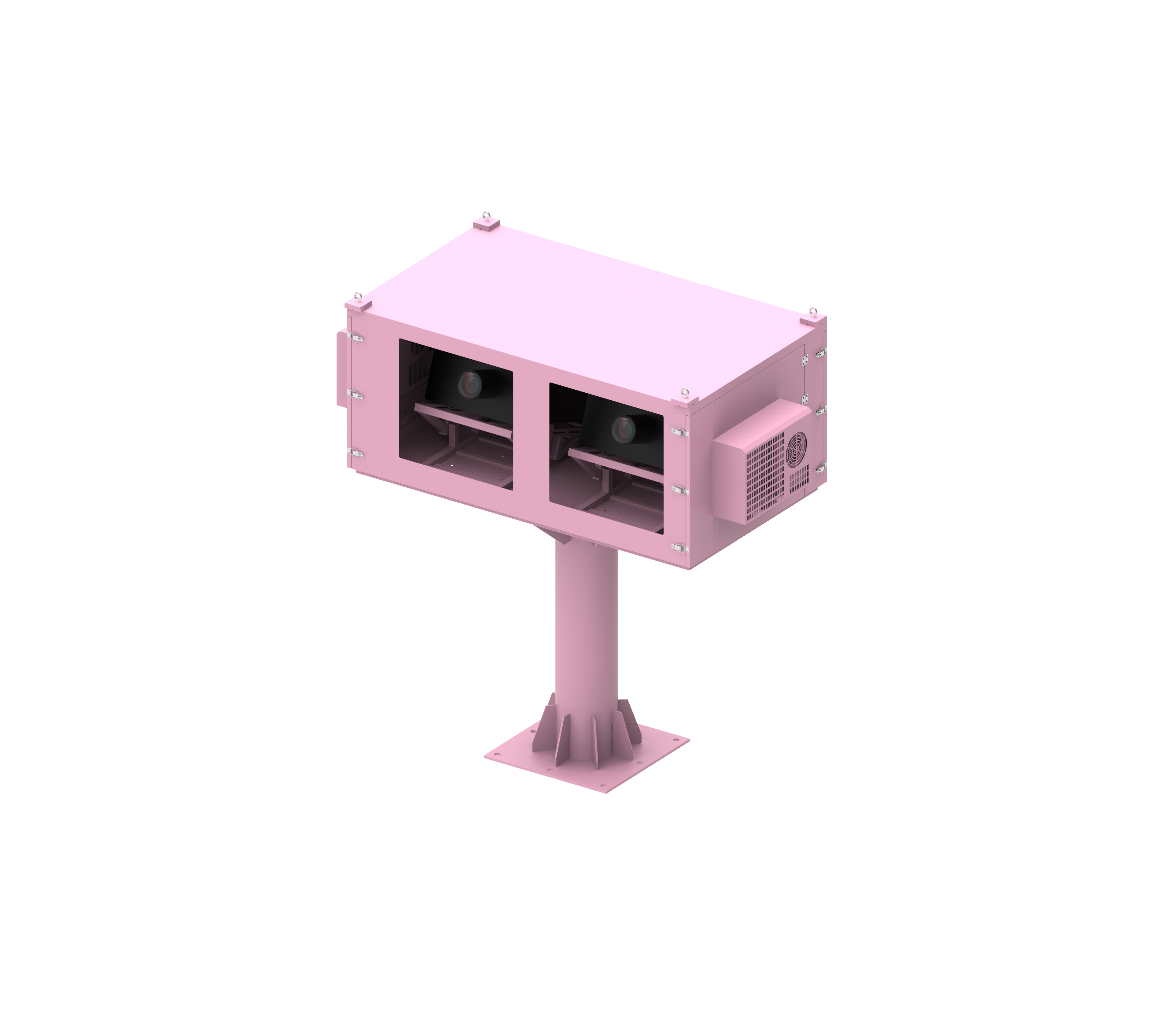
When a projector is installed in an open-air environment, it faces a relentless set of challenges that indoor installations never encounter. Rain, condensation, humidity, and temperature swings can quickly degrade sensitive optical and electronic components. Understanding how an outdoor projector waterproof housing works to shield these components is essential for anyone planning a permanent outdoor projection setup, whether for advertising, entertainment, or architectural display. The housing is not merely a box — it is a precisely engineered barrier system designed to keep moisture, dust, and environmental contaminants completely away from the internal electronics.
The level of protection offered by an outdoor projector waterproof housing depends on its design sophistication, the materials used in construction, and the sealing mechanisms employed around every junction and access point. In this article, we break down the core mechanisms that make waterproof enclosures effective, explain the engineering principles behind their rain protection, and help you understand why these housings are indispensable for any serious outdoor projection installation that needs to perform reliably through varying weather conditions.
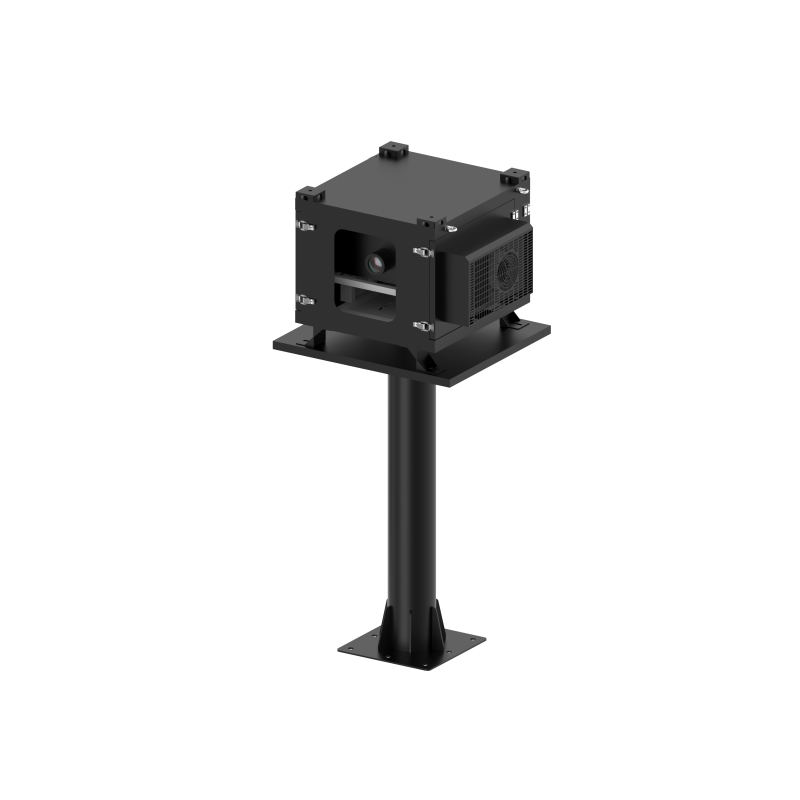
The Engineering Principles Behind Outdoor Projector Waterproof Housing
IP Rating Standards and What They Mean for Rain Protection
The most recognized framework for evaluating the rain resistance of an outdoor projector waterproof housing is the IP (Ingress Protection) rating system, defined under IEC standard 60529. This two-digit code classifies the degree to which an enclosure resists solid particles and liquids. For rain protection, the second digit is the most critical — a rating of IP65 means the enclosure is fully dust-tight and can withstand water jets from any direction, while IP66 handles more powerful water jets, and IP67 or IP68 indicate submersion resistance.
For most outdoor projection environments, an IP65 or IP66 rating in the outdoor projector waterproof housing is considered the practical minimum. These ratings ensure that rain falling at any angle — including wind-driven rain — cannot penetrate the enclosure walls and reach the projector's lens, lamp, or circuit boards. Engineers achieve these ratings through a combination of gasket materials, enclosure geometry, and controlled drainage channels that direct any surface water away from openings.
It is important to understand that IP ratings are tested under specific laboratory conditions, so real-world installations that expose the outdoor projector waterproof housing to extreme or prolonged weather should account for additional protective design features beyond the baseline IP test. Always review the test parameters associated with the specific IP rating claimed by any enclosure manufacturer to ensure genuine field performance.
Material Selection and Structural Rigidity Under Wet Conditions
The outer shell of a high-performance outdoor projector waterproof housing is typically constructed from powder-coated steel, stainless steel, or heavy-duty aluminum alloy. These materials are chosen not only for their mechanical strength but also for their corrosion resistance, which is critical when the enclosure is repeatedly exposed to rain, moisture, and condensation cycles over months or years of outdoor deployment.
Aluminum alloys are particularly popular for outdoor projector waterproof housing applications because they offer an excellent strength-to-weight ratio and naturally form a protective oxide layer that resists rust. Powder coating adds an additional barrier against moisture absorption and chemical degradation from airborne pollutants that are often present in urban or industrial outdoor environments where projection displays are commonly used.
The structural rigidity of the housing also plays a role in sustained waterproofing. A housing that flexes or warps under mechanical stress — caused by mounting vibration, thermal cycling, or impact — can compromise the seal integrity around joints and cable entry points. High-quality outdoor projector waterproof housing designs incorporate reinforced corner joints, thick-gauge panels, and precision-machined mating surfaces to ensure long-term dimensional stability.
Sealing Systems That Block Rain from Entering the Enclosure
Gaskets, O-Rings, and Compression Seals
The sealing system is arguably the most critical component of any outdoor projector waterproof housing. Without effective seals, even the most robust outer shell provides minimal protection against water intrusion during a rain event. High-quality housings use EPDM rubber gaskets or silicone O-rings at every junction between panels, around the front glass lens window, along the door or access panel edges, and at every cable entry point.
Compression seals work by deforming slightly under the clamping pressure of fasteners or latching mechanisms, filling microscopic gaps between mating surfaces that would otherwise allow water to seep through. Over time, gasket materials can degrade due to UV exposure, temperature cycling, and compression set. This is why reputable outdoor projector waterproof housing products are designed with replaceable gasket systems that allow for field maintenance without replacing the entire enclosure.
Cable entry management is another sealing challenge for outdoor projector waterproof housing installations. Power cables, signal cables, and control wiring must enter the enclosure without compromising its rain resistance. Waterproof cable glands — rated to the same IP standard as the housing itself — are used to create a tight, compression-based seal around each cable, preventing any water pathway from forming along the cable jacket into the interior of the housing.
Front Glass Window and Lens Protection Design
One of the most technically demanding aspects of outdoor projector waterproof housing design is protecting the projection aperture while still allowing a clear, undistorted image to pass through. This is achieved through a precisely positioned front window made from low-iron optical glass or high-clarity polycarbonate, sealed into the enclosure frame with a continuous compression gasket around its entire perimeter.
The glass must maintain optical clarity under all weather conditions, which means anti-reflective coatings and hydrophobic surface treatments are often applied to prevent water droplets from scattering or diffracting the projected light beam. Some advanced outdoor projector waterproof housing models incorporate a slight forward tilt in the glass window orientation, which encourages rainwater to run off the surface rather than pooling and reducing image clarity during active use.
The frame that holds the optical window must also be sealed against the housing body using the same gasket principles described above. Any failure in this seal — even a partial loss of compression — creates an entry point for water during heavy rain or wind-driven moisture, making periodic inspection of the window seal a recommended maintenance practice for long-term outdoor installations using outdoor projector waterproof housing solutions.
Internal Climate Control and Condensation Prevention
Why Temperature Management is Inseparable from Rain Protection
An outdoor projector waterproof housing must address not only direct rain ingress but also the internal climate effects caused by temperature changes. When warm, humid air enters a sealed enclosure and then the temperature drops — as often happens at night or during sudden rain showers — condensation forms on internal surfaces, including the projector's optical elements, circuit boards, and power supply components. This internal moisture can be just as damaging as direct rain exposure.
To prevent condensation, well-engineered outdoor projector waterproof housing systems incorporate active climate control mechanisms. These may include thermostatically controlled heaters that maintain a minimum internal temperature above the dew point, preventing moisture from condensing onto sensitive surfaces. In warmer climates or during summer operation, active cooling systems such as internal fans or even integrated air conditioning units are used to manage heat buildup from the projector lamp while maintaining the enclosure's sealed integrity.
This combination of heating and cooling within a sealed, rain-resistant enclosure represents the highest tier of outdoor projector waterproof housing technology. Products like the outdoor projector waterproof housing with integrated active cooling systems are specifically designed to maintain stable internal conditions regardless of what the external weather is doing, ensuring projector longevity and consistent image quality.
Airflow Engineering and Sealed Cooling Pathways
Maintaining internal temperature in a fully sealed outdoor projector waterproof housing requires a thoughtfully designed airflow path that does not compromise rain resistance. Traditional passive ventilation — using open vents or louvers — is incompatible with IP-rated enclosures because any opening creates a potential water ingress pathway. Instead, high-performance housing designs use closed-loop cooling systems where heat is exchanged through the enclosure walls using heat exchanger plates or sealed fan-and-radiator assemblies.
Some outdoor projector waterproof housing products integrate a split-style or self-contained air conditioning unit that circulates cooled air entirely within the sealed enclosure interior without drawing in any outside air. This approach is highly effective for maintaining safe operating temperatures in high-performance projectors that generate significant heat, while simultaneously ensuring that no external moisture or dust can enter along the cooling airflow pathway.
The thermal engineering of an outdoor projector waterproof housing directly affects not just the projector's operating temperature but also the overall reliability of the seals and gaskets, since extreme heat can accelerate rubber degradation and cause gasket compression set — reducing seal effectiveness over time. Proper thermal management therefore extends both the electronic lifespan and the long-term waterproof integrity of the entire enclosure system.
Installation Factors That Maximize Rain Protection Effectiveness
Mounting Orientation and Drainage Geometry
Even the best outdoor projector waterproof housing can be undermined by poor installation practices. The orientation and tilt angle of the housing relative to prevailing rain direction and wind patterns significantly influences how effectively rain is shed from the exterior surfaces. Housings should generally be installed so that the face and top surfaces slope slightly to encourage water runoff rather than pooling around sealed joints or drainage channels.
Most quality outdoor projector waterproof housing designs include drainage channels or drip edges molded or machined into the outer shell geometry. These features direct surface water away from door seams, cable entry points, and the front glass window frame — precisely the areas where sustained water contact is most likely to stress the sealing system. When installers ignore mounting orientation guidelines, these drainage features become ineffective and water accumulates against seals under hydrostatic pressure.
The mounting bracket system used with an outdoor projector waterproof housing must also be selected and installed carefully. Loose or vibration-prone mounting hardware can cause the housing to flex or shift over time, gradually compromising gasket compression and reducing rain protection. Stainless steel fasteners and vibration-dampening mounts are strongly recommended for permanent outdoor installations where reliable waterproof performance is expected over a multi-year service life.
Cable Management and Conduit Sealing Best Practices
The cable entry points of an outdoor projector waterproof housing represent the most common failure mode in field installations. Even when the housing body itself is correctly sealed, improperly installed cable glands, missing sealing inserts, or incorrectly sized glands for the cable diameter can allow water to track along cable jackets and enter the housing interior during rain events. Each cable gland must be matched precisely to the cable outer diameter and tightened to the torque specification provided by the gland manufacturer.
Unused cable entry ports in an outdoor projector waterproof housing must always be sealed with the blanking plugs or blanking glands supplied with the enclosure. Leaving any port open — even temporarily — immediately reduces the IP rating of the installation to an undefined lower level. This is a frequently overlooked point during initial installation or subsequent wiring modifications that can leave an otherwise well-designed enclosure completely vulnerable to rain ingress.
Where external wiring conduit connects to the outdoor projector waterproof housing, the conduit itself must be sealed or water-trapped at its lower entry point to prevent water from traveling up the conduit interior during rain and entering the enclosure from below. Professional outdoor AV and signage installers use waterproof conduit connectors and ensure conduit runs loop downward before entering the housing, creating a natural water trap that prevents this upward water migration pathway.
FAQ
What IP rating should an outdoor projector waterproof housing have for year-round rain protection?
For year-round outdoor use in typical climates, an outdoor projector waterproof housing should have a minimum IP65 rating, which confirms full dust protection and resistance to water jets from any direction. In environments with heavy rainfall, high wind speeds, or coastal moisture exposure, an IP66 or higher rating provides additional safety margin and is strongly recommended for permanent installations.
Can condensation form inside an outdoor projector waterproof housing even if the seals are perfect?
Yes. A perfectly sealed outdoor projector waterproof housing actually makes condensation management more important, not less. When no fresh air can circulate in or out, any moisture already inside the enclosure at installation time — or introduced during a maintenance opening — will condense when temperature drops. This is why thermostatically controlled internal heaters and desiccant systems are standard features in high-quality outdoor enclosures.
How often should the seals on an outdoor projector waterproof housing be inspected or replaced?
For permanent outdoor installations, it is good practice to inspect the gaskets and seals of an outdoor projector waterproof housing at least once per year, ideally before the onset of the rainy season. Rubber gaskets typically have a service life of three to five years depending on UV exposure and temperature cycling. Any sign of cracking, compression set, or surface degradation means the gasket should be replaced immediately to maintain the housing's rain protection rating.
Does the front glass window of an outdoor projector waterproof housing affect image quality in rain?
A well-designed outdoor projector waterproof housing uses high-clarity optical glass with anti-reflective and hydrophobic coatings that minimize light loss and prevent water from forming image-distorting droplets on the window surface. In heavy rain, some minor visual interference is possible if droplets accumulate on the glass, but housings designed with a slight forward tilt and hydrophobic coatings significantly reduce this effect, maintaining acceptable image quality throughout most rain conditions.
Table of Contents
- The Engineering Principles Behind Outdoor Projector Waterproof Housing
- Sealing Systems That Block Rain from Entering the Enclosure
- Internal Climate Control and Condensation Prevention
- Installation Factors That Maximize Rain Protection Effectiveness
-
FAQ
- What IP rating should an outdoor projector waterproof housing have for year-round rain protection?
- Can condensation form inside an outdoor projector waterproof housing even if the seals are perfect?
- How often should the seals on an outdoor projector waterproof housing be inspected or replaced?
- Does the front glass window of an outdoor projector waterproof housing affect image quality in rain?