
 EN
EN
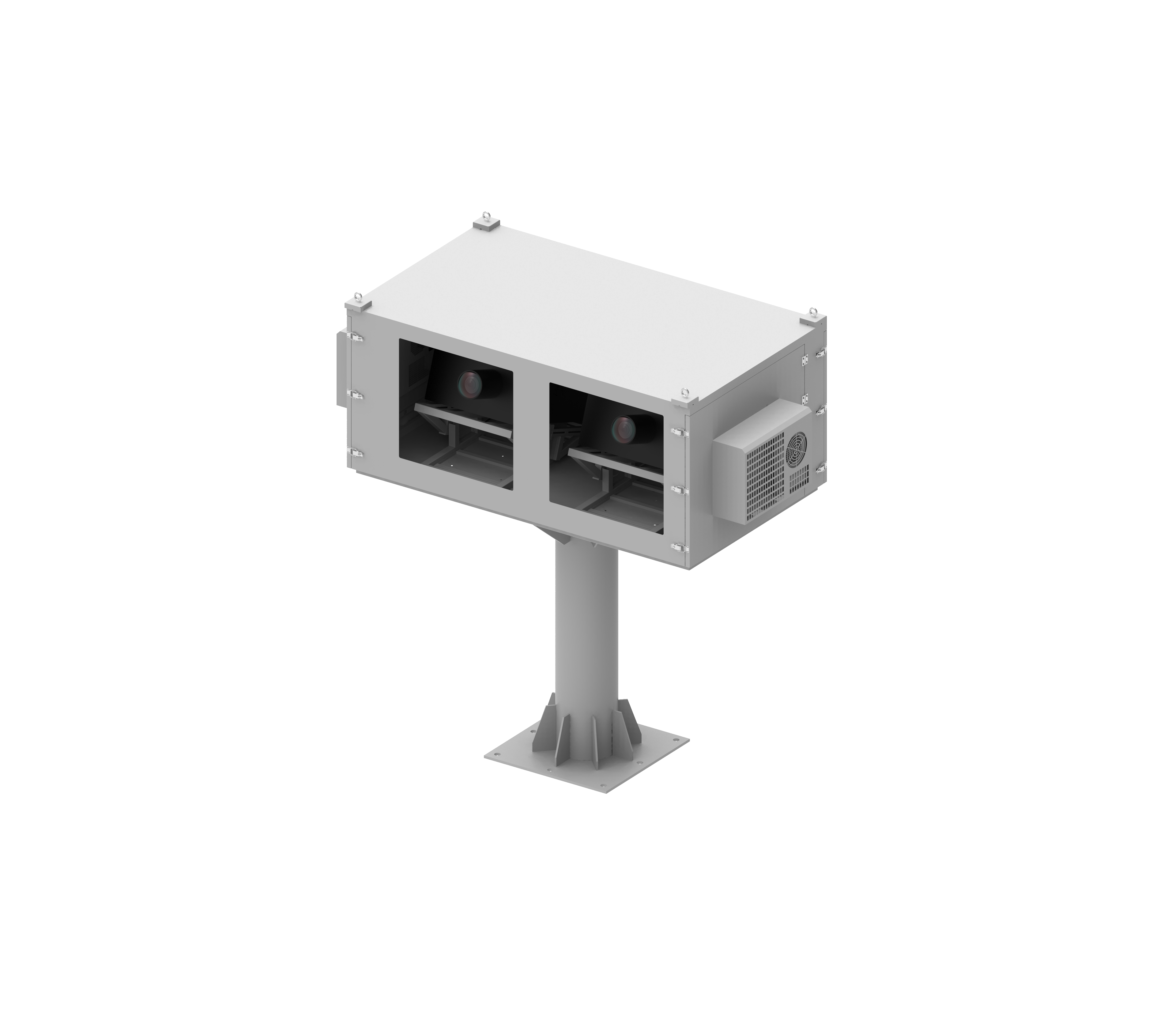
When deploying projection equipment in open-air environments, the single greatest threat to long-term performance and reliability is elemental exposure. Rain, dust, extreme heat, freezing cold, humidity, and UV radiation each pose distinct and serious risks to sensitive optical and electronic components. An outdoor projector enclosure is specifically engineered to counter each of these threats simultaneously, creating a controlled internal environment that allows the projector to operate as reliably outdoors as it would in a climate-controlled indoor setting. Understanding how this multi-proof protection works in practice is essential for any organization planning a permanent or semi-permanent outdoor projection installation.
The concept of multi-proof protection in an outdoor projector enclosure goes far beyond simply placing a projector inside a weatherproof box. Modern enclosure solutions are the product of precision engineering that addresses thermal management, ingress protection, anti-vandal design, and optical clarity — all within a single integrated housing. Whether the installation is for digital signage, outdoor cinema, architectural mapping, or large-venue display, the enclosure's ability to defend against all environmental elements determines whether the system delivers a consistent return on investment over its operational lifetime.
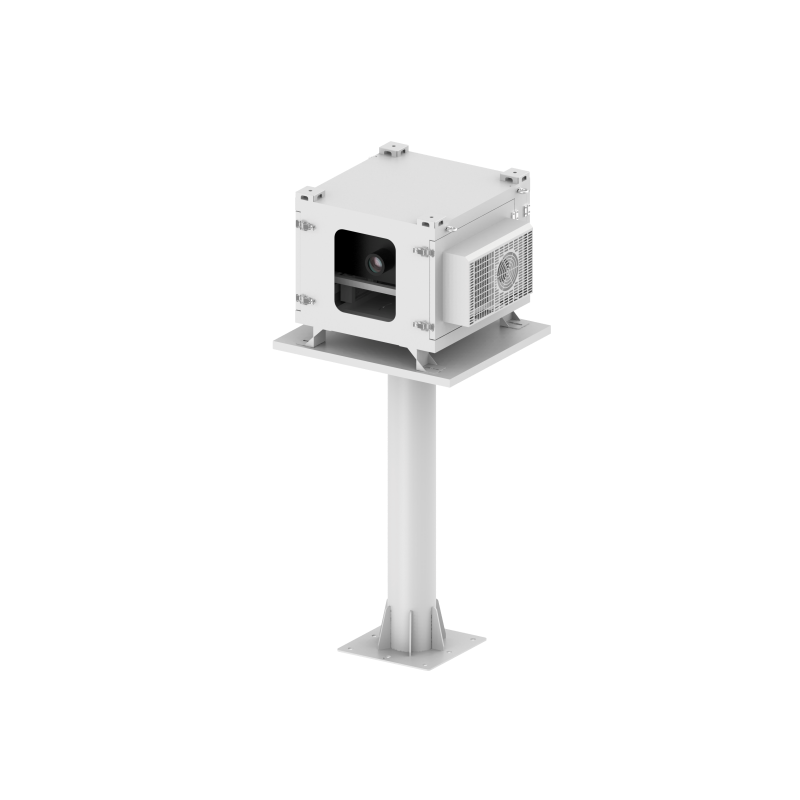
The Role of Ingress Protection in an Outdoor Projector Enclosure
Understanding IP Ratings and What They Mean for Projector Safety
Ingress protection, commonly expressed through IP ratings, defines the degree to which a sealed enclosure prevents the entry of solid particles and liquids. For an outdoor projector enclosure designed to withstand all elements, a rating of IP65 or higher is typically the baseline standard. This means the housing is fully dust-tight and capable of withstanding powerful water jets from any direction — critical in environments subject to heavy rain, high-pressure cleaning, or coastal spray.
The outer shell of a high-quality outdoor projector enclosure is typically manufactured from marine-grade aluminum or powder-coated steel, both of which resist corrosion and maintain structural integrity under sustained moisture exposure. The seam and joint design plays an equally important role: overlapping edges, compression gaskets, and sealed cable entry points all work together to prevent water infiltration even during sustained downpours or when water pools on horizontal surfaces.
An outdoor projector enclosure with solid IP certification has been subjected to controlled laboratory testing that simulates real-world environmental stress. This testing protocol validates not just the material choice, but the entire assembly — ensuring that every seal, fastener, and interface meets the claimed protection standard. For installers and facility managers, a verified IP rating is one of the most reliable indicators that the enclosure will perform as advertised in genuinely challenging outdoor conditions.
Dust and Particulate Exclusion for Optical Longevity
Dust infiltration is often underestimated as a threat to projector performance, yet it is one of the most common causes of premature optical degradation in outdoor deployments. Fine particulate matter — including sand, pollen, construction dust, and industrial emissions — accumulates on projection lenses and internal light path components, progressively reducing brightness and color accuracy. A fully sealed outdoor projector enclosure eliminates this risk entirely by creating a closed internal atmosphere that dust particles cannot penetrate.
Beyond the optical path, dust accumulation inside electronics creates insulation layers over heat-generating components, causing thermal buildup that accelerates component aging. In environments near industrial sites, agricultural zones, or high-traffic roads, the particulate load in ambient air can be substantial. The outdoor projector enclosure acts as the first and most critical line of defense, preserving both optical quality and electronic health across thousands of operating hours.
Thermal Management: Protecting Projectors from Heat and Cold
Active Cooling Systems Within the Enclosure
Thermal regulation is arguably the most technically complex challenge an outdoor projector enclosure must solve. Projectors generate significant internal heat during operation, and when housed in a sealed enclosure exposed to direct sunlight, heat accumulation can reach dangerous levels very rapidly. High-performance enclosures address this through integrated active cooling systems — typically comprising filtered air circulation fans, heat exchangers, or thermoelectric coolers — that maintain internal temperatures within the projector's safe operating range regardless of ambient conditions.
A well-designed outdoor projector enclosure uses intelligent thermal monitoring to adjust cooling intensity based on real-time internal temperature readings. Thermostats or digital temperature controllers activate cooling systems at defined thresholds, ensuring that energy is used efficiently while protection remains consistent. In environments with ambient temperatures exceeding 40°C, the cooling system must be capable of maintaining internal temperatures at least 10–15°C below that ambient figure to keep the projector operating within manufacturer specifications.
The airflow path within the enclosure is also carefully engineered. Intake and exhaust venting is positioned to promote efficient circulation without creating hotspots, and all air pathways include fine particle filters to maintain the dust-proof integrity of the system. This means the outdoor projector enclosure delivers active cooling without compromising its sealed, multi-proof status — a balance that requires precise mechanical design.
Cold Weather Protection and Heating Elements
Thermal management in an outdoor projector enclosure is a bidirectional challenge. In cold climates or during winter months, projectors face an entirely different set of risks: condensation forming on optical surfaces, lubricants thickening in mechanical components, and LCD panels or DLP chips performing below specification at low temperatures. To counter these risks, quality enclosures incorporate internal heating elements that activate automatically when temperature sensors detect conditions approaching the lower safe operating limit.
Condensation is particularly insidious because it can deposit moisture directly on lens surfaces, causing image distortion and potentially triggering electrical shorts in adjacent components. The heating system within an outdoor projector enclosure keeps the internal atmosphere warm enough to maintain dew points above the temperature of optical and electronic surfaces, effectively preventing condensation from forming. This is especially valuable in installations subject to rapid temperature swings, such as coastal regions, highland environments, or areas with pronounced day-night temperature differentials.
Some advanced outdoor projector enclosure designs integrate both heating and cooling within a single unified thermal management system, using smart controllers to switch seamlessly between modes as environmental conditions change. This eliminates the need for separate seasonal configurations and ensures the projector remains protected and operational year-round without manual intervention.
Structural Protection: Vandal Resistance and Physical Security
Heavy-Duty Materials and Anti-Tamper Engineering
An outdoor projector enclosure deployed in public spaces, sports venues, or transportation hubs must contend not just with weather but also with physical interference from unauthorized individuals. Vandalism, accidental impact, and theft attempts are realistic risks in many installation environments. Addressing these threats requires the enclosure to be constructed from materials and with structural techniques that resist forced entry and absorb impact without deforming or fracturing.
High-grade aluminum alloy and thick-gauge steel are the materials of choice for impact-resistant outdoor projector enclosure construction. These materials combine strength with relatively low weight, making installation practical while delivering meaningful resistance to blunt force. Welds, fasteners, and hinge mechanisms are engineered to IK-rated impact standards, with IK10 representing the highest level of protection against deliberate mechanical impact — equivalent to resisting a 20-joule strike.
Anti-tamper hardware is another key element of physical security in an outdoor projector enclosure. Proprietary fasteners that require specialized tools to remove, locking front panels, and concealed hinge points all contribute to making unauthorized access significantly more difficult. In installations where projectors represent substantial capital investment, these physical security features directly protect asset value and reduce the operational disruption caused by theft or vandalism incidents.
The Optical Window: Balancing Clarity and Durability
One of the most technically demanding components of any outdoor projector enclosure is the optical window through which the projected image exits the housing. This window must simultaneously offer high optical transmittance to preserve image brightness and color fidelity, resist scratching and impact, and maintain weather sealing integrity across its entire perimeter. Standard glass is unsuitable for this application; tempered optical glass or polycarbonate with anti-reflective and scratch-resistant coatings is used instead.
The window frame and sealing interface is a critical design detail. Even a minor gap or inadequately compressed seal at the window perimeter will allow moisture and dust ingress under pressure conditions. Quality outdoor projector enclosure designs address this by using continuous compression gaskets, precision-machined frame tolerances, and multi-point fastening systems that ensure even pressure distribution across the entire window seal.
Anti-reflective coatings on the optical window are also important for maintaining image quality under ambient lighting conditions. An uncoated window can reduce effective light transmission by several percentage points and introduce unwanted glare or ghost images under direct or indirect sunlight. The best outdoor projector enclosure designs treat the optical window as a performance component, not simply a protective barrier, applying the same engineering attention to optical quality as is given to weatherproofing and structural strength.
UV Resistance and Long-Term Material Durability
Surface Treatments That Withstand Solar Degradation
Ultraviolet radiation from direct and diffuse sunlight causes cumulative degradation in plastics, sealants, paints, and even certain metal alloys over time. For an outdoor projector enclosure expected to deliver reliable performance over a multi-year service life, UV resistance in all external materials is not optional — it is a fundamental specification requirement. Powder-coated exterior finishes offer significantly better UV resistance than standard paint, maintaining color stability and surface integrity without chalking, fading, or cracking under sustained solar exposure.
Gasket and seal materials in an outdoor projector enclosure must also be selected with UV degradation in mind. Standard rubber compounds lose elasticity and develop surface cracking when exposed to prolonged UV radiation, which can compromise the integrity of weatherproof seals years before the rest of the enclosure shows signs of wear. EPDM and silicone-based sealing materials are preferred for their demonstrated resistance to UV, ozone, and temperature cycling, ensuring that sealing performance is maintained throughout the intended service life.
The optical window coating on a well-designed outdoor projector enclosure also incorporates UV-blocking properties that protect not only the window material itself but also the projector lens and internal optical components from cumulative UV exposure during daylight hours. This level of material-level UV consideration reflects the comprehensive, multi-layered approach to environmental protection that distinguishes a purpose-built outdoor projector enclosure from improvised or inadequately specified housing solutions.
Corrosion Resistance in Coastal and High-Humidity Environments
Salt-laden air in coastal environments, high ambient humidity in tropical climates, and atmospheric pollution in industrial zones all accelerate corrosion on metallic enclosure components. A marine-grade outdoor projector enclosure addresses this through careful material selection — typically marine-grade aluminum alloys (such as 6061 or 5052 series) for the main housing, stainless steel for fasteners and hinges, and corrosion-inhibiting treatments on all machined surfaces. These measures are essential for installations within a few kilometers of saltwater or in regions with high industrial atmospheric pollution.
Internal corrosion protection is equally important. Even with an excellent outer seal, small amounts of moisture may enter the enclosure over time during maintenance access. Internal surfaces in a well-specified outdoor projector enclosure are treated with anodizing or similar conversion coatings that prevent oxidation from spreading even in the presence of trace moisture. Dissimilar metal contact is avoided through the use of isolation gaskets or compatible material pairings, preventing galvanic corrosion at structural joints.
FAQ
What IP rating should an outdoor projector enclosure have for permanent outdoor installation?
For permanent outdoor installations exposed to rain, dust, and cleaning operations, an outdoor projector enclosure with a minimum IP65 rating is recommended. This ensures the housing is completely dust-tight and can withstand water jets from any direction. In environments with submersion risk or high-pressure wash-down requirements, an IP66 or IP67 rated outdoor projector enclosure offers an additional margin of protection.
How does the outdoor projector enclosure prevent overheating in direct sunlight?
A quality outdoor projector enclosure uses a combination of active cooling fans or heat exchangers, intelligent temperature controllers, and thermally efficient enclosure materials to manage heat buildup. When direct solar radiation raises ambient temperatures, the thermal management system intensifies airflow or activates thermoelectric cooling to maintain the internal temperature within the projector's safe operating range. The enclosure's exterior finish also plays a role — light-colored or reflective powder coatings reduce solar heat absorption on exposed surfaces.
Can an outdoor projector enclosure be used in freezing temperatures?
Yes, an outdoor projector enclosure designed for all-environment deployment includes internal heating elements that activate when temperatures drop below a defined threshold — typically around 5°C to 10°C. These heaters warm the internal atmosphere to prevent condensation and keep projector components within their specified operating temperature range. This makes the outdoor projector enclosure suitable for year-round operation in climates that experience below-freezing winters without requiring seasonal equipment removal.
How often does an outdoor projector enclosure require maintenance?
Maintenance frequency for an outdoor projector enclosure depends on the installation environment and usage intensity. In general, a visual inspection and filter cleaning should be performed every three to six months, with a full internal inspection annually. In highly dusty or coastal environments, filter replacement and seal inspection may be needed more frequently. Well-designed outdoor projector enclosure systems are built to minimize maintenance access intervals, but regular inspection remains important for ensuring long-term protection performance.
Table of Contents
- The Role of Ingress Protection in an Outdoor Projector Enclosure
- Thermal Management: Protecting Projectors from Heat and Cold
- Structural Protection: Vandal Resistance and Physical Security
- UV Resistance and Long-Term Material Durability
-
FAQ
- What IP rating should an outdoor projector enclosure have for permanent outdoor installation?
- How does the outdoor projector enclosure prevent overheating in direct sunlight?
- Can an outdoor projector enclosure be used in freezing temperatures?
- How often does an outdoor projector enclosure require maintenance?