
 EN
EN
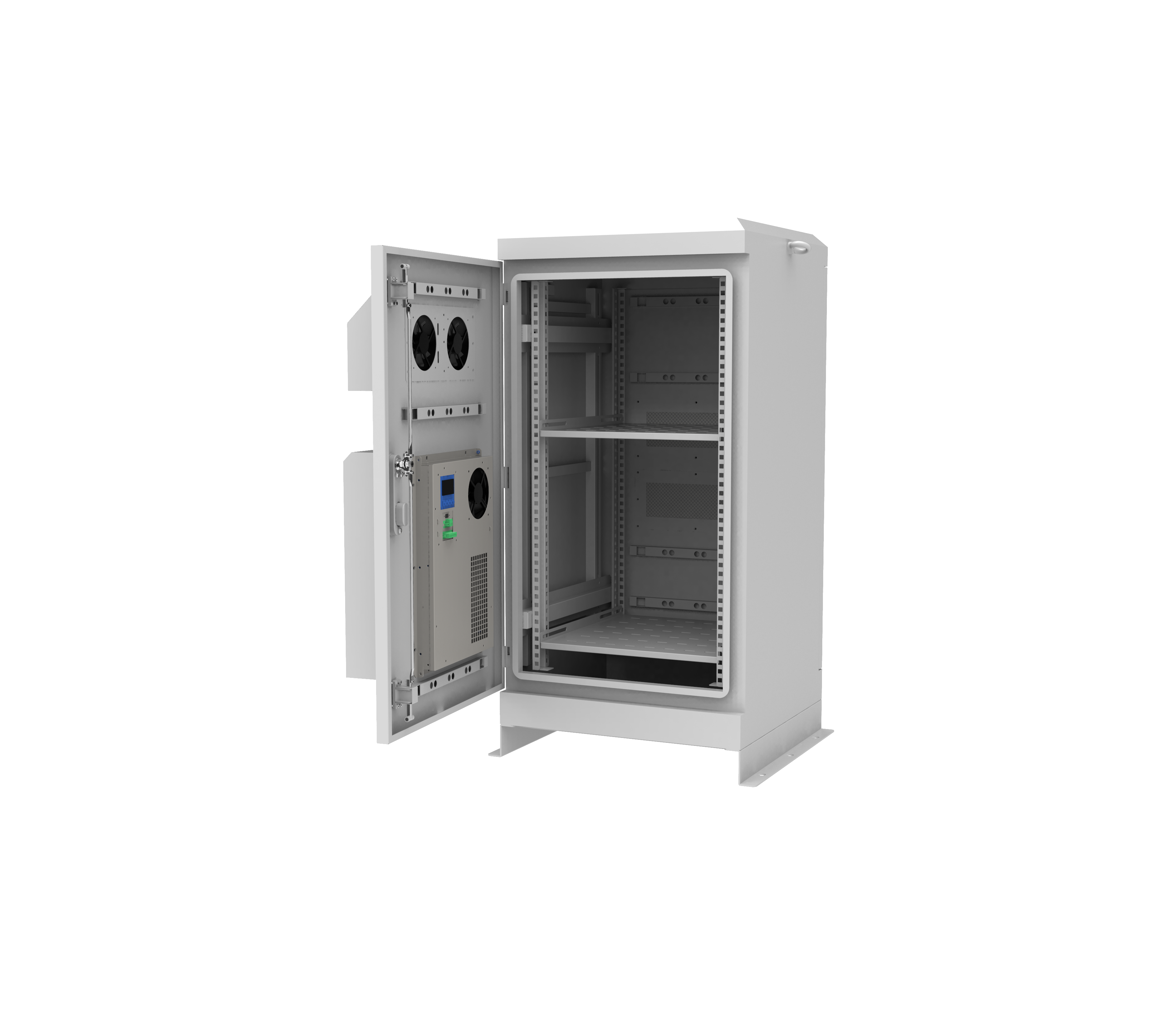
When projection equipment is deployed in open-air environments, it faces a unique set of challenges that indoor setups never encounter. Rain, dust, extreme temperatures, vandalism, and unauthorized access are just a few of the threats that can compromise performance and shorten the lifespan of expensive projection systems. An outdoor projector cabinet is specifically engineered to address these vulnerabilities, creating a secure and stable operating environment for projectors regardless of external conditions.
Understanding how an outdoor projector cabinet improves equipment safety requires looking beyond the obvious physical protection. It involves examining the engineering principles behind environmental sealing, temperature control, anti-theft design, and long-term structural durability. For businesses and organizations investing in outdoor projection systems — whether for advertising, events, architectural mapping, or public information displays — the right outdoor projector cabinet is not an optional accessory but a fundamental component of equipment safety strategy.
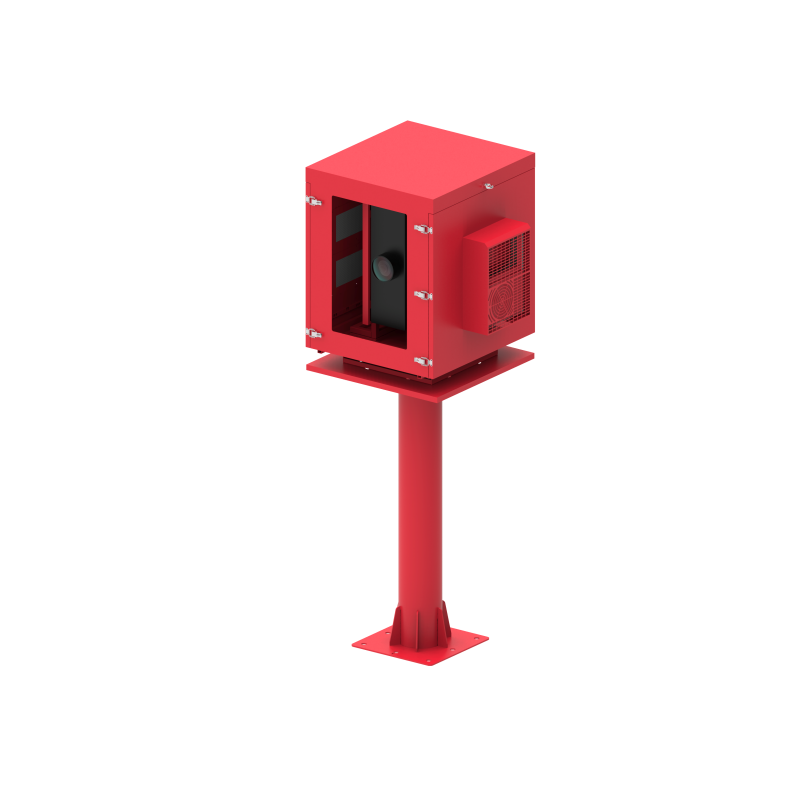
The Physical Protection Role of an Outdoor Projector Cabinet
Shielding Against Weather and Environmental Exposure
One of the most direct ways an outdoor projector cabinet improves equipment safety is through weather resistance. Projectors are precision electronic devices with sensitive optical components, circuit boards, and cooling mechanisms that are not designed to withstand direct exposure to rain, humidity, condensation, or airborne particles. Deploying a projector without appropriate enclosure in an outdoor environment invites rapid degradation of these components.
A properly rated outdoor projector cabinet uses ingress protection standards — commonly IP65 or higher — to ensure that neither water jets nor fine dust particles can penetrate the enclosure. This level of sealing means that even during heavy rain, water cannot reach the internal projector components. Over months and years of operation, this protection translates directly into fewer equipment failures, reduced maintenance calls, and a much longer operational lifespan for the projector itself.
Dust and airborne debris are equally damaging over time. Industrial zones, construction areas, and even urban streets can expose outdoor equipment to fine particulate matter that infiltrates cooling vents, coats lenses, and clogs mechanical parts. The sealed design of a quality outdoor projector cabinet prevents this contamination from ever reaching the projector, maintaining optical clarity and thermal performance simultaneously.
Structural Integrity Against Physical Impact
Beyond weather, outdoor environments expose equipment to physical impact risks. Vandalism, accidental collisions from foot traffic or vehicles, and the general wear associated with public spaces all represent real threats to unprotected projectors. An outdoor projector cabinet constructed from heavy-gauge steel or reinforced aluminum provides a robust outer shell capable of absorbing impact without transferring damaging force to the internal equipment.
The cabinet's structural design is not simply about raw material thickness. It also involves the geometry of the enclosure, the quality of hinges and latches, and the mounting points used to secure the cabinet to surfaces or poles. A well-designed outdoor projector cabinet distributes physical stress across its structure rather than concentrating it at vulnerable points. This engineering approach ensures that even significant external force does not result in equipment damage or misalignment.
For permanent outdoor installations, the mounting system integrated into an outdoor projector cabinet adds a further layer of stability. Proper anchoring prevents the enclosure from shifting due to wind load or vibration, which is especially important for projection systems where even minor positional drift can affect image accuracy and coverage area.
Thermal Management and Its Impact on Safety
Why Heat Control Is a Safety Priority
Projectors generate significant heat during operation, and managing that heat is as important as protecting the equipment from external elements. Inside an outdoor projector cabinet, the challenge of thermal management becomes more complex because the enclosure must simultaneously prevent environmental ingress and allow adequate heat dissipation. Without effective thermal management, internal temperatures can rise to levels that cause immediate shutdown or long-term thermal damage to components.
High-quality outdoor projector cabinet designs address this through integrated active cooling systems — typically thermostatically controlled fans and filtered air channels that maintain optimal internal temperatures even in high-ambient-temperature environments. Some advanced enclosures also incorporate heat exchangers or air conditioning units for deployments in extreme climates. These systems ensure that the projector operates within its rated thermal envelope, which is essential for both safety and performance.
Thermal runaway is a genuine risk with unmanaged heat in sealed enclosures. An outdoor projector cabinet that lacks proper thermal engineering can actually accelerate component failure rather than prevent it. This is why thermal management is not an afterthought in enclosure design — it is a core safety feature that distinguishes a properly engineered cabinet from a simple box.
Cold Weather Protection and Condensation Prevention
Thermal safety is not only a concern in hot environments. In cold climates, an outdoor projector cabinet must also prevent condensation from forming on optical and electronic components when the projector heats up during operation after exposure to cold ambient air. Condensation is particularly destructive to lens coatings, circuit boards, and motor components, and it can cause immediate electrical faults if moisture bridges conductive pathways.
Advanced outdoor projector cabinet designs include thermostatically controlled heaters that maintain internal temperatures above the dew point during shutdown periods, preventing condensation from forming. Effective sealing also limits the introduction of humid external air that could condense when it contacts cold internal surfaces. Together, these features ensure that the projector can operate safely across a wide temperature range without thermal shock or moisture-related failures.
For organizations running continuous outdoor projection installations across seasonal temperature changes, the cold-weather thermal management features of an outdoor projector cabinet are often just as critical as rain protection. Ignoring this dimension of equipment safety can result in unpredictable failures that undermine the reliability of the entire installation.
Security Features That Prevent Unauthorized Access and Theft
Anti-Theft Engineering in Outdoor Projector Cabinet Design
Projectors represent substantial financial investment, and outdoor deployments — particularly those in public or semi-public spaces — can attract theft or vandalism. An outdoor projector cabinet incorporates anti-theft engineering as a central safety feature, going well beyond a simple locked box. Purpose-built enclosures typically feature high-security locking mechanisms, tamper-resistant fasteners, and reinforced access panels that resist forced entry techniques commonly used against standard cabinets.
The materials used in anti-theft outdoor projector cabinet construction matter significantly. Heavy-gauge steel with internal reinforcement resists cutting, prying, and drilling in ways that lighter materials cannot. Some enclosures are designed so that the locking mechanism is recessed or shielded, making it difficult to attack with tools even when the perpetrator has unrestricted physical access to the cabinet exterior.
For installations in high-risk locations, an outdoor projector cabinet can also be integrated with alarm systems or remote monitoring solutions. Vibration sensors, door-open alerts, and temperature alarms can all be connected through cable management ports built into the enclosure, allowing facility managers to respond immediately to unauthorized access attempts or abnormal operating conditions. This layered security approach transforms the cabinet into an active participant in the equipment safety ecosystem rather than a passive physical barrier.
Preventing Tampering With Projection Settings and Alignment
Equipment safety extends beyond theft prevention. In public installations, unauthorized individuals may attempt to tamper with projector settings, alter image alignment, or interfere with cabling connections. An outdoor projector cabinet with a controlled-access design ensures that only authorized personnel can access the projector and its connected systems. This is particularly important for mission-critical installations such as wayfinding displays, safety information systems, and branded content environments where content integrity is non-negotiable.
Cable entry points in an outdoor projector cabinet are typically sealed with glands or conduit connections that prevent both tampering and environmental ingress through cable penetrations. This seemingly minor design feature closes a vulnerability that is often overlooked in improvised outdoor installations, where unsealed cable entries can allow moisture, insects, and even small rodents to enter the enclosure.
The combination of physical security and tamper prevention means that an outdoor projector cabinet protects not just the hardware value of the projector, but also the operational reliability and content integrity of the entire projection system. For B2B customers managing multiple outdoor projection sites, this consistency of protection across all installations significantly reduces the management burden and risk exposure associated with outdoor deployments.
Long-Term Equipment Safety and Total Cost of Ownership
How Enclosure Quality Affects Maintenance Frequency
Investing in a quality outdoor projector cabinet directly reduces the frequency and cost of maintenance interventions. When a projector operates in a protected environment with stable temperatures, no exposure to moisture, and no risk of physical damage, its major components — lamp or laser light source, DMD chip or LCD panels, color wheel, and power supply — all experience less stress and degrade more slowly. This translates to longer service intervals, fewer unplanned outages, and lower overall maintenance expenditure over the installation lifetime.
The filtration systems in a quality outdoor projector cabinet also contribute to maintenance reduction. Filtered cooling air prevents dust accumulation inside the projector, which is one of the leading causes of premature lamp failure and optical degradation. By keeping the internal environment clean, the cabinet effectively extends the service life of components that would otherwise require frequent cleaning or replacement.
For organizations managing outdoor projection assets across multiple sites, the compounded maintenance savings from deploying proper outdoor projector cabinet solutions at each location can substantially offset the initial enclosure investment. This is a compelling business case for facility managers, AV integrators, and outdoor advertising operators evaluating the true cost of outdoor projection deployments.
Aligning Equipment Safety With Operational Continuity
Equipment safety and operational continuity are closely linked in outdoor projection environments. A projector failure — whether caused by weather exposure, thermal stress, physical impact, or theft — does not just represent a repair or replacement cost. It also means content delivery is interrupted, client commitments may not be met, and the reputational or commercial cost of downtime must be absorbed. An outdoor projector cabinet mitigates all of these risks by ensuring that the projector operates continuously and reliably within a safe environment.
Redundant design features in premium outdoor projector cabinet solutions — such as backup cooling channels, dual-lock access systems, and corrosion-resistant coatings — further reduce the probability of unexpected failure modes. These design choices reflect an understanding that equipment safety in outdoor environments is not a binary condition but a spectrum of risk reduction measures that collectively build operational resilience.
For long-term outdoor installations where projector replacement or retrieval would be logistically complex or expensive, the safety assurance provided by a robust outdoor projector cabinet is especially valuable. The initial decision to house projection equipment in a purpose-built enclosure is ultimately a strategic investment in the reliability and longevity of the entire projection infrastructure.
FAQ
What IP rating should an outdoor projector cabinet have for safe outdoor use?
For most outdoor environments, an outdoor projector cabinet should carry a minimum IP65 rating, which indicates full protection against dust ingress and resistance to water jets from any direction. In environments with higher exposure to water — such as coastal installations or areas with frequent heavy rain — IP66 or higher ratings offer additional safety margins. The IP rating is a direct indicator of the enclosure's ability to protect your projection equipment from the most common environmental threats.
Can an outdoor projector cabinet be used with any projector model?
Most outdoor projector cabinet solutions are designed to accommodate a range of projector sizes and form factors, with adjustable internal mounting systems. However, it is essential to verify that the cabinet's internal dimensions, cable routing options, and thermal management capacity are matched to the specific projector model being deployed. Using an undersized or thermally inadequate enclosure can actually increase equipment risk rather than reduce it.
How does an outdoor projector cabinet handle extreme heat in summer months?
A well-engineered outdoor projector cabinet uses thermostatically controlled active cooling — typically fans drawing filtered external air through the enclosure — to maintain safe internal temperatures even when ambient temperatures are high. Premium enclosures may incorporate heat exchangers or small air conditioning units for very hot climates. The key is that the thermal management system is rated for the maximum ambient temperature expected at the installation site, ensuring the projector never exceeds its safe operating temperature range.
Is an outdoor projector cabinet necessary for covered outdoor areas?
Even in covered outdoor areas such as canopies, pergolas, or partially enclosed structures, an outdoor projector cabinet remains valuable. Covered areas may still expose projectors to humidity, condensation, insects, temperature fluctuations, and unauthorized access. Physical protection from tamper and theft is equally relevant in semi-covered locations. The controlled internal environment created by an outdoor projector cabinet ensures consistent equipment safety regardless of partial shelter conditions.