
 EN
EN
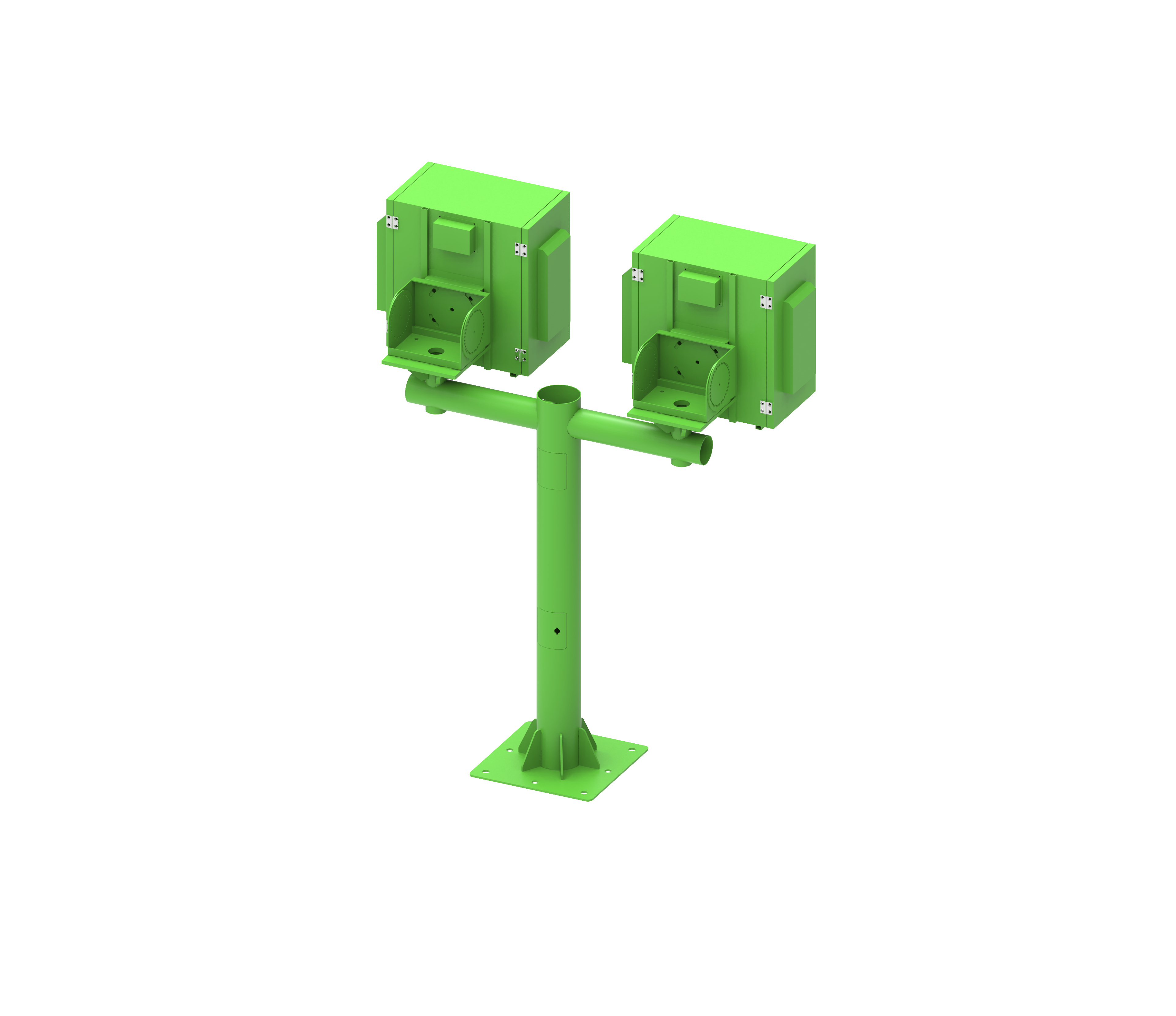
When deploying a projector in an outdoor environment, the gap between a successful installation and a costly failure often comes down to one critical component: the outdoor projector waterproof housing. Whether the application is a permanent outdoor cinema, a large-scale architectural projection, a stadium display, or a public advertising installation, the projector itself is a precision optical device never designed to withstand rain, dust, humidity, insects, or temperature swings. Without the right enclosure, even the most powerful projector can fail within weeks of outdoor exposure, turning a significant capital investment into an expensive loss.
Understanding exactly what features make an outdoor projector waterproof housing essential requires looking beyond the basic concept of a metal box. The right enclosure is an engineered system combining weatherproofing, thermal management, optical clarity, structural integrity, and installation flexibility — all working together to keep the projector operating at its rated performance level regardless of what the environment throws at it. This article breaks down the specific features that define a capable outdoor enclosure and explains why each one matters to the long-term success of an outdoor projection installation.
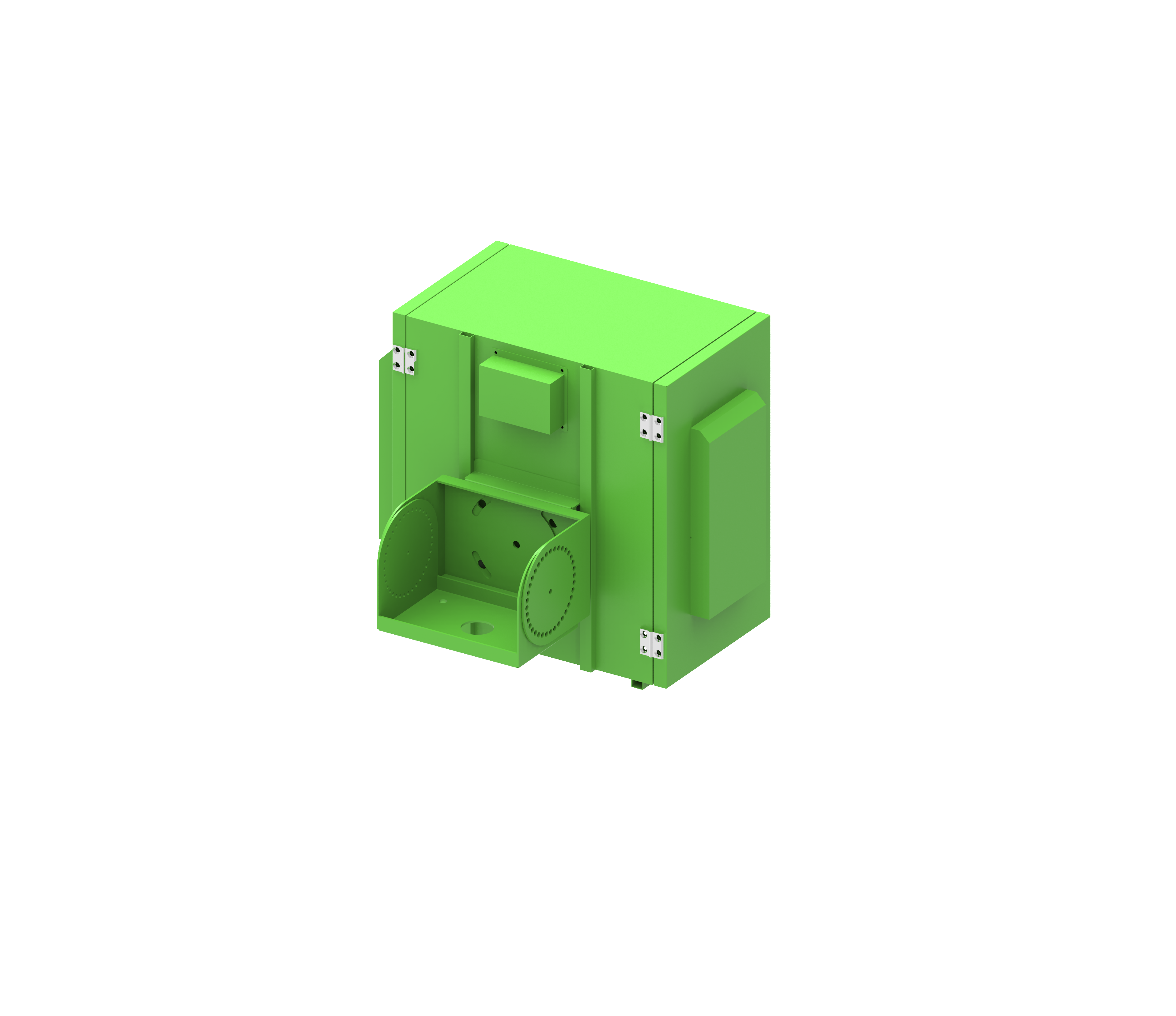
IP-Rated Weatherproofing: The Foundation of Outdoor Protection
Understanding IP Ratings in the Context of Projector Enclosures
The most fundamental feature of any outdoor projector waterproof housing is its ingress protection rating, commonly known as the IP rating. This internationally recognized classification system describes how effectively an enclosure resists the intrusion of solid particles and liquids. For outdoor projector applications, an IP65 rating at minimum is generally considered acceptable, while IP66 or IP67 ratings offer more robust protection against powerful water jets and temporary immersion.
An IP65-rated outdoor projector waterproof housing can withstand low-pressure water jets from any direction, making it suitable for most outdoor environments including those exposed to rain and cleaning with water hoses. IP66 steps this up to resist high-pressure water jets, which is critical in environments where power washing is used for maintenance or where heavy rain is a frequent occurrence. Specifiers should always match the IP rating to the actual environmental conditions of the installation site rather than defaulting to the minimum standard.
Beyond the water protection digit, the first digit in the IP classification covers solid particle resistance. An IP65 or IP66 rating both carry a first digit of 6, meaning complete protection against dust ingress. This is equally important for projector enclosures because fine dust accumulating on optical components, cooling fans, or lamp assemblies can degrade image quality and cause premature overheating. A fully dust-tight enclosure prevents this degradation entirely.
Sealed Construction and Gasket Quality
Achieving a verified IP rating is not simply a matter of building a tight box. The sealing performance of an outdoor projector waterproof housing depends heavily on the quality and consistency of the gaskets and seals used throughout the enclosure. High-grade EPDM or silicone gaskets are preferred for outdoor applications because they maintain their elasticity and compression set resistance across a wide range of temperatures and UV exposure levels, unlike cheaper foam or rubber alternatives that can harden or crack over time.
Every potential ingress point — door seams, cable entry points, ventilation penetrations, and lens aperture interfaces — must be individually addressed with appropriate sealing solutions. Cable entry glands with proper IP ratings are just as important as the main enclosure seal, as a single unsealed cable penetration can compromise the entire protective rating. A well-engineered outdoor projector waterproof housing treats each penetration as a potential failure point and addresses it systematically.
Thermal Management: Keeping the Projector Cool Under Pressure
Why Heat is the Silent Enemy of Outdoor Projectors
Projectors generate substantial heat during operation, and enclosing them in a sealed box creates an obvious thermal management challenge. Without a well-designed cooling system, the internal temperature of an outdoor projector waterproof housing can rise to levels that trigger the projector's thermal protection shutdown, dramatically reducing operational availability and ultimately shortening the projector's service life. Effective thermal management is therefore not optional — it is a core engineering requirement of any serious outdoor enclosure.
High-brightness projectors intended for outdoor environments, particularly those operating above 10,000 lumens, produce considerable heat output. In direct sunlight, the enclosure's external surfaces can absorb additional solar heat load, compounding the internal heat generation from the projector itself. Without active cooling, ambient temperatures inside the enclosure can easily exceed the projector's rated operating range, even on moderately warm days.
Active and Passive Cooling Strategies in Quality Enclosures
A quality outdoor projector waterproof housing addresses thermal management through a combination of active cooling components and intelligent airflow design. Active cooling typically involves sealed, IP-rated fans that draw air through a heat exchanger system, ensuring that the internal air circulates efficiently across heat-generating components without exposing them to unfiltered outside air. Some enclosures use a closed-loop air-to-air heat exchange design that maintains a completely sealed internal environment while still dissipating heat effectively.
Thermostat-controlled fan systems add another layer of intelligence, activating cooling at defined temperature thresholds and scaling airflow to match the actual thermal load. This approach extends fan life by avoiding unnecessary operation while ensuring the projector always stays within its safe operating range. Premium outdoor projector waterproof housing solutions may also incorporate temperature monitoring with remote alert capabilities, allowing facility managers to respond to thermal anomalies before they result in equipment damage.
In colder climates, the thermal management challenge runs in reverse: internal heaters are needed to prevent condensation from forming on optical components and to ensure the projector can start up reliably in sub-zero conditions. A comprehensive outdoor projector waterproof housing design accounts for both extremes, incorporating both cooling and heating capability to maintain a stable internal climate year-round.
Optical Clarity and Lens Protection
The Role of the Front Glass in Image Quality
The front glass or lens cover of an outdoor projector waterproof housing is one of the most technically demanding components in the entire system. It must maintain a completely weathertight seal while introducing minimal optical degradation to the projected image. Any significant light scatter, internal reflection, or chromatic distortion introduced by poor-quality front glass will degrade image quality in a way that is immediately visible to the audience.
High-quality enclosures use optical-grade glass with anti-reflective coatings on both surfaces. These coatings reduce surface reflectance to below one percent per surface, meaning the front glass has a negligible impact on image brightness and color accuracy. The glass must also be highly transparent across the visible spectrum and resistant to UV-induced yellowing, which can gradually shift the color balance of the projected image over years of outdoor exposure.
Scratch Resistance, Self-Cleaning Properties, and Maintenance
Outdoor installations inevitably expose the front glass of an outdoor projector waterproof housing to airborne abrasives, bird droppings, insect impacts, and regular cleaning cycles. A front glass that scratches easily or requires specialist cleaning products becomes a maintenance burden that directly impacts operational availability. Hardened or tempered optical glass with scratch-resistant surface treatments significantly reduces the frequency of glass replacement over the enclosure's service life.
Some advanced enclosures incorporate hydrophobic or oleophobic coatings on the front glass that cause water and oils to bead and roll off rather than forming films that reduce optical clarity. While not a substitute for periodic cleaning, these coatings can meaningfully reduce maintenance frequency in rain-heavy environments. The design of the enclosure around the front glass — including drip edges and recessed mounting — also contributes to keeping the optical surface as clean as possible between maintenance visits.
Structural Integrity and Mounting Flexibility
Material Selection for Long-Term Outdoor Durability
The physical housing of an outdoor projector waterproof housing must resist corrosion, UV degradation, mechanical impact, and vandalism over a service life that typically spans many years. Stainless steel and powder-coated aluminum are the most commonly used materials for outdoor enclosures in commercial applications, each with distinct advantages. Stainless steel offers superior corrosion resistance and is preferred in coastal environments or industrial settings with chemical exposure, while aluminum offers a better weight-to-strength ratio and is easier to machine into precise forms.
Powder coating provides both corrosion resistance and UV stability to aluminum enclosures, but the quality and thickness of the coating matter significantly. Thin or poorly applied powder coatings can chip, crack, or fade within a few years of outdoor exposure, compromising both aesthetics and underlying material protection. Specifying enclosures with marine-grade powder coating or multi-stage treatment processes ensures the finish remains intact over the expected service period.
Mounting Systems and Adjustability
The mounting system of an outdoor projector waterproof housing determines how precisely the projector can be aimed and how stable it remains after initial alignment. Outdoor installations are rarely forgiving of even small alignment errors, particularly at long throw distances where a fraction of a degree of misalignment translates to a significant image shift at the screen surface. Robust pan, tilt, and rotation adjustment mechanisms with positive locking are essential for achieving precise initial alignment and maintaining it over time.
Vibration from wind, nearby machinery, or traffic can gradually work loose the fasteners holding an enclosure in its adjusted position if the mounting hardware is not properly designed. Quality enclosures use locking mechanisms that resist vibration-induced loosening, ensuring the projector maintains its alignment between maintenance visits. Some installations also benefit from mounting systems that allow the enclosure to be repositioned without special tools, simplifying adjustments when projection mapping configurations change.
For permanently installed applications, the structural connection between the outdoor projector waterproof housing and its mounting surface — whether a pole, wall bracket, truss, or ceiling structure — must be engineered to handle both the static weight of the enclosure and dynamic loads from wind. Enclosures intended for high-wind locations should be supplied with documented wind load ratings and installation guidelines to ensure compliance with local building codes and safety standards.
Connectivity, Access, and Integration Features
Cable Management and Signal Integrity
An outdoor projector waterproof housing in a professional installation must accommodate multiple cable connections including power supply, video signal cables, network connections for control and monitoring, and potentially HDBaseT extenders or fiber optic links for long cable runs. Each cable entry must be sealed to the enclosure's IP rating while still allowing practical installation and future cable replacement. Poorly designed cable management leads to seal failures, damaged cables, and time-consuming maintenance interventions.
Signal integrity over long cable runs to outdoor installations is a genuine concern, particularly for high-bandwidth video signals. Enclosures that incorporate internal signal conditioning, format conversion, or signal amplification components reduce the dependency on perfect cable quality over the entire run length. Integrated connectivity panels with clearly labeled ports simplify installation and reduce the risk of connection errors during initial setup or subsequent maintenance.
Remote Monitoring and Control Integration
Modern outdoor installations demand more than passive protection — they require active monitoring to ensure the outdoor projector waterproof housing and its contained equipment are operating within defined parameters at all times. Network-connected enclosures can report internal temperature, humidity, fan status, and projector operating parameters to a central management system, enabling proactive maintenance scheduling and rapid fault diagnosis.
Integration with building management systems, AV control systems, or remote monitoring platforms adds significant operational value to an outdoor projector waterproof housing installation. Operators can verify operational status, schedule content changes, trigger manual cooling or heating responses, and receive automated alerts for out-of-range conditions — all without physically accessing the enclosure. This capability is particularly valuable for installations in unmanned or difficult-to-access locations where manual inspection is infrequent.
Specifiers evaluating outdoor projector waterproof housing solutions for high-brightness applications should prioritize enclosures with documented monitoring integration capabilities, as the operational cost savings from predictive maintenance and reduced site visits can be substantial over the life of the installation.
FAQ
What IP rating should an outdoor projector waterproof housing have for permanent installation?
For most permanent outdoor installations, an IP65 rating is the accepted minimum, providing complete dust protection and resistance to low-pressure water jets from any direction. In environments subject to heavy rain, high-pressure cleaning, or coastal conditions, IP66 or higher is strongly recommended. The appropriate rating should always be matched to the specific environmental conditions of the installation site rather than defaulting to the minimum standard.
How does an outdoor projector waterproof housing manage heat without compromising its sealed rating?
Quality enclosures use sealed, IP-rated fan and heat exchanger systems that circulate internal air across cooling surfaces without exposing the interior to unfiltered outside air. Closed-loop air-to-air heat exchange designs are particularly effective, maintaining a fully sealed internal environment while still dissipating the projector's thermal output. Thermostat controls regulate fan operation to match actual thermal loads, protecting both the projector and the cooling components.
Does the front glass of an outdoor projector waterproof housing affect image quality?
With optical-grade glass and anti-reflective coatings, the impact on image quality is minimal — typically less than one percent light loss per surface. Lower-quality enclosures with standard industrial glass can introduce noticeable brightness reduction, color shift, and image scatter. Specifying anti-reflective coated optical glass is essential for applications where image quality is a primary concern, such as cinema, advertising, or architectural projection mapping.
Can an outdoor projector waterproof housing be used with any projector brand or model?
Most professional outdoor enclosures are designed as universal housings with adjustable internal mounting systems that accommodate projectors within specified dimension and weight ranges. However, it is important to verify compatibility with the specific projector model's dimensions, ventilation requirements, and lens configuration before selecting an enclosure. Some high-brightness applications require custom or semi-custom enclosure configurations to properly support specific projector models and lens options.
Table of Contents
- IP-Rated Weatherproofing: The Foundation of Outdoor Protection
- Thermal Management: Keeping the Projector Cool Under Pressure
- Optical Clarity and Lens Protection
- Structural Integrity and Mounting Flexibility
- Connectivity, Access, and Integration Features
-
FAQ
- What IP rating should an outdoor projector waterproof housing have for permanent installation?
- How does an outdoor projector waterproof housing manage heat without compromising its sealed rating?
- Does the front glass of an outdoor projector waterproof housing affect image quality?
- Can an outdoor projector waterproof housing be used with any projector brand or model?