
 EN
EN
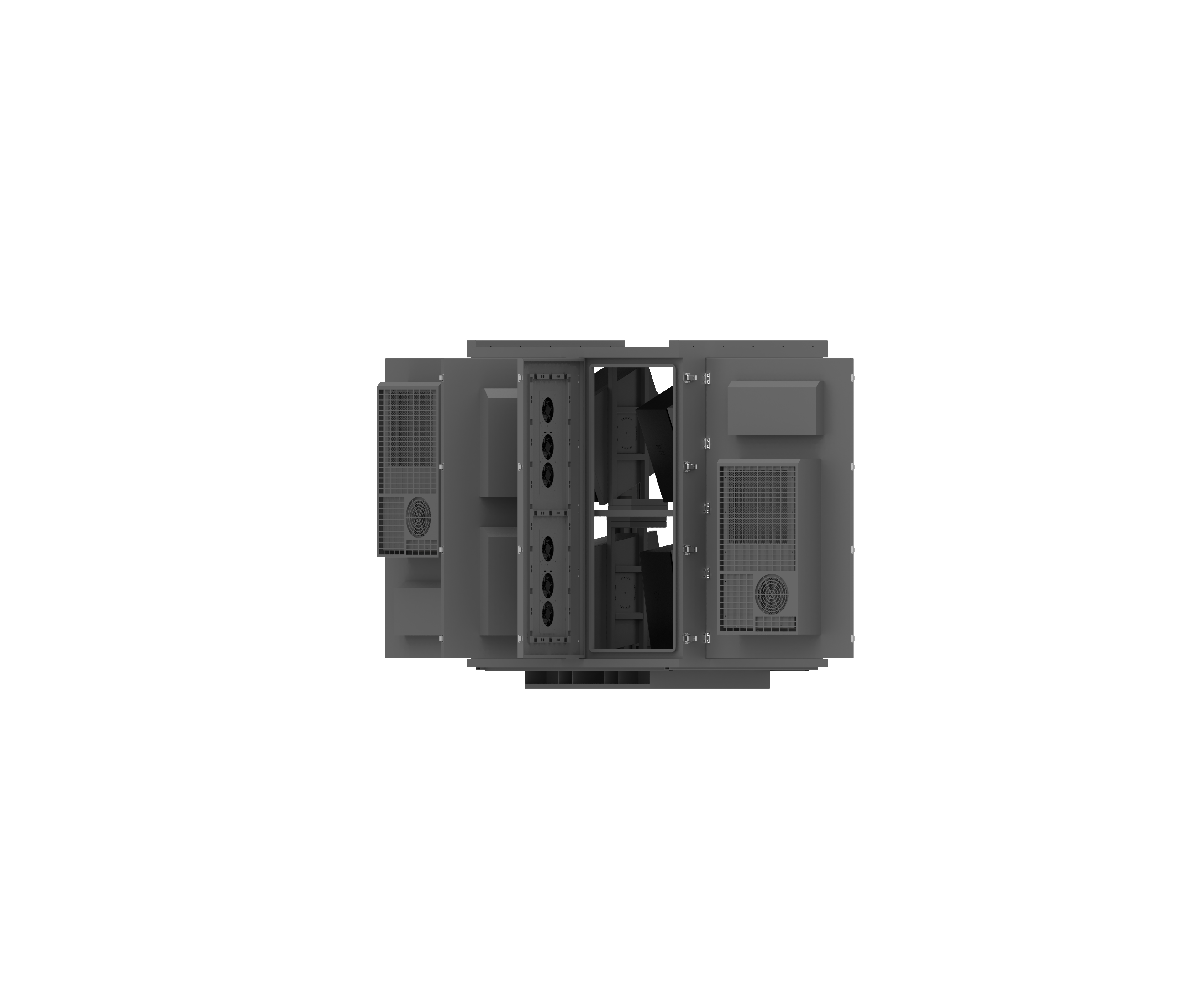
Selecting the right moisture-proof box for high-humidity environments is one of those decisions that looks simple on the surface but carries significant consequences when made poorly. Whether you are protecting sensitive electronics in a coastal facility, securing electrical components in a tropical warehouse, or housing control equipment in a food-processing plant, the wrong enclosure can lead to corrosion, equipment failure, and costly downtime. The stakes are real, and the choice deserves a structured, informed approach.
This guide walks through the essential selection criteria for a moisture-proof box designed to perform reliably in high-humidity conditions. From protection ratings and material choices to installation context and long-term maintenance considerations, every factor covered here is directly relevant to making a confident, application-specific purchase decision. By the end, you will have a clear framework for evaluating options and matching enclosure specifications to your actual environment.
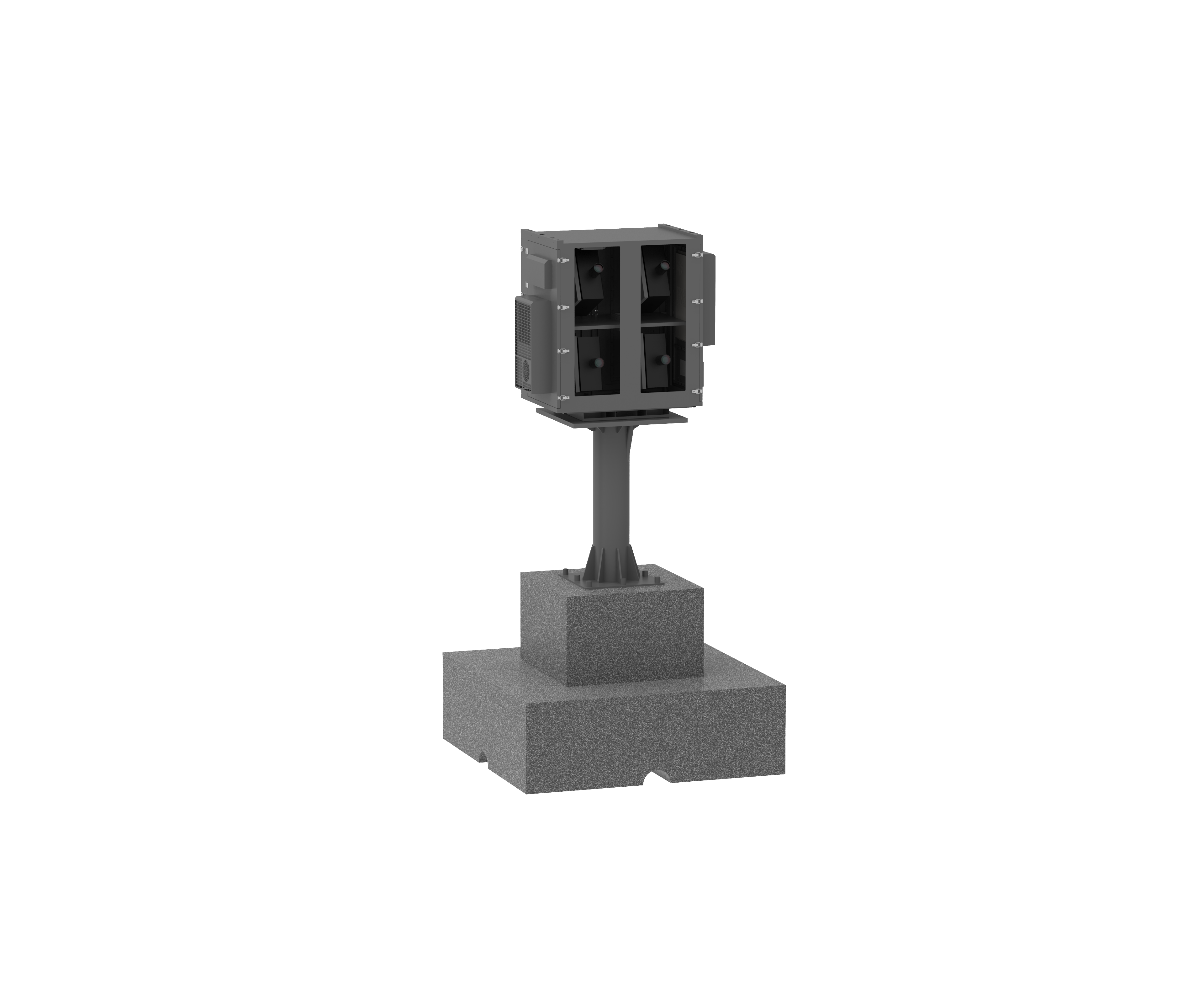
Understanding What High-Humidity Environments Actually Demand
The Nature of Humidity-Related Equipment Damage
High humidity is not just about visible water. Moisture in the air permeates enclosures through microscopic gaps, condenses on cool surfaces inside sealed spaces, and accelerates electrochemical corrosion on metal contacts and circuit boards. Even a modest and sustained relative humidity above 75% can degrade insulation, cause mold growth on organic components, and trigger short circuits over time.
A moisture-proof box intended for these conditions must do more than resist a splash of water. It must prevent the slow, persistent ingress of humid air and manage condensation that builds up when temperature gradients are present. This distinction is what separates a genuinely suitable enclosure from one that merely looks appropriate on paper.
Understanding the failure modes helps you prioritize the right specifications. Corrosion damage is gradual and often invisible until a component fails. Condensation damage can be sudden if a water droplet bridges two conductive paths. Your moisture-proof box selection strategy should address both risk profiles simultaneously.
Mapping Your Specific Environment Before Choosing
Before evaluating any moisture-proof box, document the actual conditions of the installation site. Record the average and peak relative humidity, note whether the location is exposed to direct water spray or only ambient moisture, and identify whether temperature swings are frequent. Each of these variables influences which enclosure specifications matter most.
An outdoor coastal installation with salt spray and direct rainfall demands different performance from the same moisture-proof box category as an indoor server room in a humid tropical climate. Treating these as the same problem leads to either over-engineering costs or under-protection failures. Site-specific mapping is not optional — it is the foundation of a sound selection process.
Also consider the duration of exposure. A moisture-proof box installed in a seasonal greenhouse that experiences peak humidity for three months annually faces a different cumulative stress than one in a year-round high-humidity underground utility chamber. Longevity requirements should directly inform material and sealing specifications.
IP Ratings and What They Actually Mean for Moisture Protection
Decoding the IP Rating System for Practical Selection
The Ingress Protection rating, commonly written as IP followed by two digits, is the most widely referenced standard for evaluating a moisture-proof box. The first digit describes solid particle protection and the second describes liquid ingress protection. For high-humidity environments, the second digit is the primary focus, though both matter for dusty industrial sites.
An IP65 rating, for example, indicates complete protection against dust ingress and protection against low-pressure water jets from any direction. This makes an IP65-rated moisture-proof box suitable for most indoor high-humidity environments, outdoor sheltered installations, and light wash-down scenarios. It is one of the most commonly specified ratings for general industrial and commercial moisture protection.
Higher ratings such as IP66 and IP67 offer resistance to powerful water jets and temporary submersion respectively. While these may seem like straightforward upgrades, they also typically involve more complex sealing systems, higher material costs, and stricter installation requirements. Choosing a rating higher than your environment demands can introduce unnecessary complexity without a proportional benefit.
Matching IP Rating to Your Humidity Scenario
For ambient high-humidity environments without direct water contact — such as tropical indoor facilities, humid basements, or climate-controlled storage areas — an IP54 or IP55 moisture-proof box often provides adequate protection at a practical cost. The key factor here is that the threat is diffuse moisture rather than directed water.
For locations with periodic water spray, hosing, or condensation dripping — common in food processing, agriculture, aquaculture, and outdoor equipment housings — IP65 is the appropriate baseline for a moisture-proof box. This rating is widely supported across enclosure product lines and offers a well-tested balance of sealing performance and installation flexibility.
Environments involving immersion risk, underground installations subject to flooding, or submersible equipment housings require IP67 or IP68. In these cases, the moisture-proof box must meet far more demanding sealing standards, and installation best practices such as pressurized or gel-filled conduit entry points become critical to maintaining the enclosure's rated performance.
Material Selection for Long-Term Moisture Resistance
Comparing Plastic, Fiberglass, and Metal Enclosures
The body material of a moisture-proof box has a direct impact on its long-term resistance to humidity-related degradation. Polycarbonate and ABS plastic enclosures are lightweight, naturally corrosion-resistant, and widely used in mid-range moisture protection applications. They perform well across a broad humidity range and resist the electrochemical reactions that damage metal housings.
Fiberglass-reinforced polyester enclosures offer higher mechanical strength than standard plastics while retaining excellent corrosion and moisture resistance. They are frequently specified for demanding industrial environments, particularly where chemical exposure accompanies high humidity. A fiberglass moisture-proof box is a strong choice when both mechanical durability and long-term sealing integrity are required.
Metal enclosures — typically powder-coated steel or aluminum — provide superior mechanical protection and heat dissipation but require additional surface treatment to resist corrosion in high-humidity conditions. An untreated or poorly coated metal moisture-proof box will develop rust and surface degradation that eventually compromises the sealing surfaces. Stainless steel avoids this issue at a higher cost and is suitable for the most demanding corrosive-humidity environments.
Evaluating Gasket and Seal Quality
The body material of a moisture-proof box is only as effective as the sealing system around its closure. A silicone or neoprene gasket running along the full perimeter of the door or lid is the standard sealing mechanism for high-quality moisture-proof enclosures. The gasket must maintain its compression and elasticity over years of temperature cycling without cracking, hardening, or shrinking.
Inspect or verify the gasket material specification before purchasing. Silicone gaskets generally outperform neoprene in high-temperature and UV-exposed applications, while neoprene offers good resistance to oils and mild chemicals. For an outdoor moisture-proof box in a high-humidity, high-UV environment, silicone is typically the preferred gasket material.
Also evaluate how cable entry points are handled. Even a perfectly sealed moisture-proof box body can become ineffective if conduit knockouts or cable glands are improperly specified or installed. Cable gland selection should match the IP rating of the enclosure, and glands must be sized correctly for the cables passing through them. Any unused knockouts must be sealed with appropriately rated plugs.
Practical Installation and Configuration Factors
Mounting Orientation and Airflow Considerations
Where and how a moisture-proof box is mounted influences its real-world performance. Enclosures mounted with the door facing upward are more likely to accumulate standing water on horizontal surfaces and around the sealing perimeter. Vertical mounting with the door oriented toward a wall or facing down reduces direct water accumulation risk, particularly in outdoor or spray environments.
For enclosures housing heat-generating equipment, internal temperature management is equally important. A tightly sealed moisture-proof box that traps heat can create large temperature differentials between its interior and exterior, which drives condensation on cooler interior surfaces when the equipment shuts down. Thermal management accessories such as internal heaters, thermostats, or desiccant systems help control this condensation cycle without compromising the moisture seal.
Where airflow is necessary to cool internal components, filtered ventilation units with humidity-resistant filter media can be integrated without degrading moisture protection below the specified rating. These configurations are common in telecommunications equipment housings and outdoor display control panels operating in humid climates.
Internal Layout and Component Compatibility
A moisture-proof box chosen for high-humidity areas must accommodate the internal components it will house without forcing awkward cable routing or insufficient clearance. Tight internal layouts create hot spots, restrict air circulation, and make maintenance access difficult — all of which increase the likelihood of moisture-related failures over time.
Review the internal dimensions with all planned components installed, including DIN rails, terminal blocks, circuit breakers, and power supplies. Allow adequate clearance around heat-generating components. If the enclosure will house display screens, projectors, or optical equipment, check that the internal environment supports their operating humidity and temperature requirements, since the moisture-proof box itself does not regulate internal humidity — it only blocks external moisture ingress.
Consider future expansion when selecting enclosure size. A moisture-proof box that is just large enough for current needs will require replacement or supplementation when new components are added. Choosing a size one tier above the immediate requirement is a practical long-term investment, particularly for installations in difficult-access high-humidity locations where equipment replacement carries significant labor cost.
Maintenance and Long-Term Performance of a Moisture-Proof Box
Inspection Intervals and Seal Maintenance
A moisture-proof box does not maintain its protection rating indefinitely without periodic inspection and maintenance. The gasket is the most wear-prone component and should be inspected at regular intervals — annually at minimum, and more frequently in high-temperature or UV-exposed installations. Signs of gasket failure include hardening, cracking, compression set, or visible gaps when the enclosure door is closed.
Closure hardware such as latches, clamps, and hinges also requires inspection. Latches that do not apply sufficient compression to the gasket allow moisture pathways to form even when the gasket itself is in good condition. Test closure force periodically and replace hardware that shows corrosion, deformation, or loss of spring tension.
Internal desiccant packs, where used, must be replaced or regenerated on a scheduled basis. A saturated desiccant provides no moisture absorption capacity and may even release moisture into the enclosure under certain temperature conditions. Tracking desiccant replacement as part of a preventive maintenance schedule is a low-cost way to extend the reliable service life of a moisture-proof box in high-humidity environments.
When to Replace Rather Than Repair
Knowing when a moisture-proof box has reached the end of its serviceable life is as important as knowing how to maintain it. Visible UV-induced brittleness in plastic enclosures, deep surface corrosion on metal bodies, warping of the door or lid that prevents even gasket compression, or physical impact damage that has stressed the sealing perimeter are all indicators that replacement is more cost-effective than continued repair.
Compare the cost of replacement components — gaskets, hardware, cable glands — against the cost of a new enclosure before committing to a repair cycle. For older enclosures where replacement parts are no longer readily available, the risk of undocumented moisture ingress during the gap between part failure and part delivery may justify proactive replacement regardless of apparent current condition.
Upgrading to a higher-rated moisture-proof box when replacing an older unit is an opportunity worth evaluating. If your installation environment has become more demanding over time — added equipment heat, new chemical exposure, or extended outdoor service — a replacement that steps up one IP rating level can extend the next service interval and reduce total lifecycle cost.
FAQ
What IP rating should a moisture-proof box have for outdoor high-humidity installations?
For most outdoor high-humidity installations, an IP65-rated moisture-proof box is the recommended baseline. This rating ensures complete protection against dust and resistance to low-pressure water jets from any direction, which covers the majority of ambient moisture, rain splash, and condensation scenarios. Installations with direct high-pressure wash-down or submersion risk should step up to IP66 or IP67 respectively.
Can a moisture-proof box prevent internal condensation as well as external moisture ingress?
A moisture-proof box blocks external moisture from entering but does not inherently prevent condensation from forming on interior surfaces when temperature differentials occur. To manage internal condensation, supplementary measures such as internal heaters with thermostats, desiccant packs, or humidity-controlled ventilation units are commonly installed alongside the sealed enclosure. These accessories address the condensation cycle that a sealed enclosure alone cannot prevent.
How often should the gasket on a moisture-proof box be replaced in a high-humidity environment?
In high-humidity environments with significant temperature cycling or UV exposure, gasket inspection should be performed at least annually. Replacement is typically needed every two to five years depending on material quality, exposure conditions, and how frequently the enclosure is opened. Silicone gaskets generally last longer than neoprene under heat and UV stress. Any sign of cracking, hardening, or visible compression loss is a clear signal to replace immediately rather than waiting for a scheduled interval.
What materials are most durable for a moisture-proof box used in corrosive-humidity environments?
For corrosive-humidity environments — such as coastal installations, chemical plants, or facilities with acid or alkali vapors — fiberglass-reinforced polyester and stainless steel are the most durable moisture-proof box materials. Polycarbonate and powder-coated steel can perform adequately in standard high-humidity conditions but are more vulnerable to surface degradation when chemical corrosion is also present. The choice between fiberglass and stainless steel typically comes down to mechanical impact requirements and budget.
Table of Contents
- Understanding What High-Humidity Environments Actually Demand
- IP Ratings and What They Actually Mean for Moisture Protection
- Material Selection for Long-Term Moisture Resistance
- Practical Installation and Configuration Factors
- Maintenance and Long-Term Performance of a Moisture-Proof Box
-
FAQ
- What IP rating should a moisture-proof box have for outdoor high-humidity installations?
- Can a moisture-proof box prevent internal condensation as well as external moisture ingress?
- How often should the gasket on a moisture-proof box be replaced in a high-humidity environment?
- What materials are most durable for a moisture-proof box used in corrosive-humidity environments?