
 EN
EN
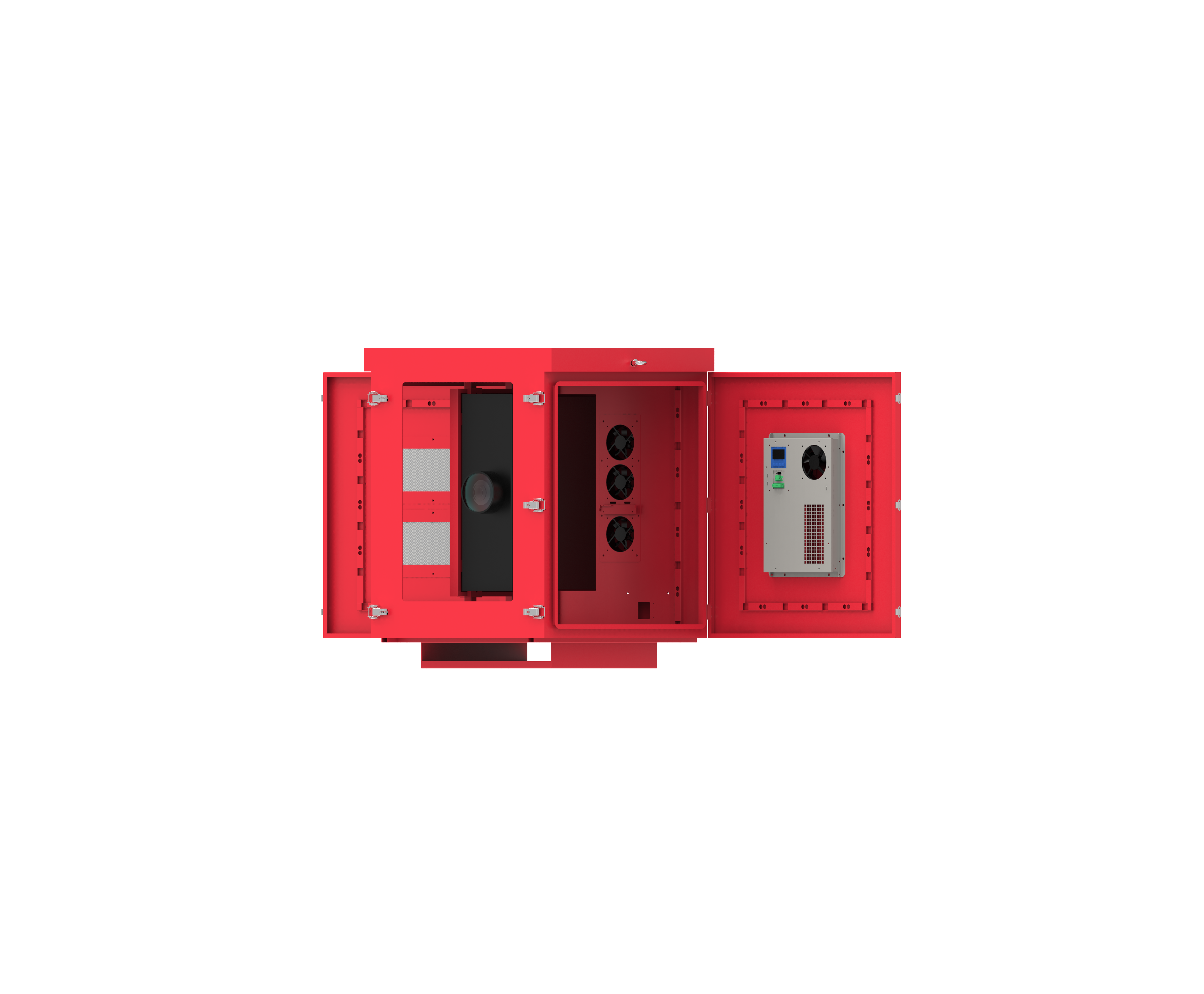
Selecting the right projector waterproof box is essential for anyone looking to maintain their projector investment in outdoor environments. Whether you're setting up a backyard entertainment system, installing signage for a retail space, or deploying a projector waterproof box for industrial monitoring, the wrong choice can lead to equipment failure, costly repairs, and interrupted service. A projector waterproof box protects your device from rain, dust, extreme temperatures, and UV damage while maintaining optimal performance. Understanding the key factors involved in choosing a projector waterproof box ensures that your outdoor projection system remains reliable and functional for years to come.

The process of finding the perfect projector waterproof box requires evaluating multiple dimensions, from environmental durability to thermal management and ease of installation. Your specific application, regional climate, and projector model all influence which projector waterproof box will deliver the best protection and longevity. This guide walks you through the critical selection criteria so you can make an informed decision that aligns with your operational needs and budget constraints.
Environmental Protection and Durability Standards
Weather Resistance Ratings and Materials
A projector waterproof box must meet recognized ingress protection standards to guarantee effective shielding against moisture and dust intrusion. The IP (Ingress Protection) rating system classifies environmental sealing: IP65 or higher indicates robust protection against water jets and dust, while IP54 offers basic moisture resistance suitable for covered outdoor areas. Materials matter significantly; high-quality projector waterproof box enclosures use aluminum frames with powder-coated finishes, polycarbonate viewing panels, and commercial-grade gaskets to withstand prolonged exposure to rain, humidity, and salt spray. The construction of your projector waterproof box should include reinforced corners, stainless steel hardware, and UV-resistant polymers to prevent degradation from sun exposure. Thickness of the housing walls directly correlates with durability; a projector waterproof box with 3mm or thicker walls offers superior impact resistance and longevity compared to thinner alternatives.
Climate-Specific Considerations
Different climates impose distinct demands on a projector waterproof box. In coastal regions with salt air, your projector waterproof box requires marine-grade corrosion resistance and non-corrosive fastening systems. Desert environments call for a projector waterproof box with advanced UV filtration and ventilation to prevent heat buildup; tropical regions necessitate a projector waterproof box with enhanced drainage channels and mold-resistant coatings. Temperate zones with moderate temperature fluctuations still benefit from a projector waterproof box equipped with thermal management features to minimize condensation. Evaluating historical weather patterns, humidity levels, and seasonal extremes in your location helps determine whether your chosen projector waterproof box meets actual field conditions rather than merely theoretical ratings.
Thermal Management and Ventilation Systems
Heat Dissipation and Temperature Control
Projectors generate substantial heat during operation, and an inadequate projector waterproof box can trap thermal energy, shortening component lifespan and reducing image quality. An effective projector waterproof box incorporates thermal management through passive convection vents or active cooling systems that draw external air across internal heat exchangers. The design of your projector waterproof box should include intake vents fitted with replaceable filters and exhaust ports positioned to facilitate natural airflow without compromising waterproofing. Temperature sensors within the projector waterproof box can trigger automated cooling responses or alert operators when thermal thresholds are approached. Selecting a projector waterproof box with adequate internal volume relative to projector size ensures sufficient air circulation; cramped enclosures create hot spots and reduce cooling efficiency regardless of ventilation provisions.
Condensation Prevention Mechanisms
Condensation represents a primary threat to projector reliability in outdoor settings, particularly when temperature differentials between external and internal environments are significant. A quality projector waterproof box combats condensation through multiple mechanisms: desiccant cartridges absorb moisture, breathable membranes allow air exchange while blocking liquid water, and heated ventilation paths reduce relative humidity inside the enclosure. Your projector waterproof box should feature condensation drain ports positioned at the lowest point to channel accumulated moisture safely away from optical elements and electronic components. Regular inspection and replacement of desiccant materials within your projector waterproof box maintain consistent humidity levels, typically targeting 30–60% relative humidity to optimize both equipment safety and performance.
Installation Compatibility and Practical Deployment
Mounting and Integration Features
Selecting a projector waterproof box that integrates seamlessly with your existing infrastructure reduces installation time and operational complexity. Your projector waterproof box should offer standardized mounting patterns compatible with industry-standard brackets, poles, and structural fixtures. Internal mounting rails and adjustable retention systems within your projector waterproof box accommodate various projector models without requiring extensive modifications or custom fabrication. Optical window positioning and lens protrusion capabilities determine effective projection angles; verify that your projector waterproof box allows proper lens alignment and focus adjustment without removing the device. Electrical feedthrough provisions in your projector waterproof box should support power supply connections, signal cables, and network interfaces while maintaining environmental sealing through gasketed connectors or cable glands.
Maintenance Access and Serviceability
A well-designed projector waterproof box balances environmental protection with practical maintenance access, minimizing downtime during component replacement or cleaning cycles. Quick-release optical panels in your projector waterproof box enable periodic lens cleaning without full disassembly, while removable side panels facilitate lamp changes and filter replacements. Your projector waterproof box should include interior lighting provisions for safe maintenance work and clearly labeled service points identifying desiccant cartridges, drain ports, and cooling filters. Transparent documentation accompanying your projector waterproof box should specify recommended maintenance intervals, parts compatibility, and emergency procedures for thermal shutdown or pressure relief activation. Investing in a projector waterproof box that prioritizes serviceability reduces total cost of ownership and extends reliable service life significantly.
FAQ
What IP rating should my projector waterproof box have for outdoor use?
For most outdoor applications, an IP65-rated projector waterproof box provides comprehensive protection against water jets and dust ingress. If your projector waterproof box will be exposed to high-pressure water spray, marine environments, or continuous rain, consider IP67 or IP68 ratings for maximum durability. Covered outdoor areas with minimal rain exposure may function adequately with IP54-rated projector waterproof box models, though IP65 remains the practical minimum for reliable long-term protection.
How often should I replace desiccant in my projector waterproof box?
Desiccant replacement frequency within your projector waterproof box depends on humidity levels, seasonal changes, and environmental conditions. In humid climates, inspect and replace desiccant cartridges in your projector waterproof box every 3–6 months. Temperate regions may allow 6–12 month intervals between replacements. Many modern projector waterproof box designs include color-indicating desiccants that signal saturation, simplifying maintenance scheduling and ensuring consistent moisture control.
Can I use a projector waterproof box in extreme desert heat?
Yes, a properly specified projector waterproof box with active cooling and UV-resistant materials performs effectively in desert environments. Select a projector waterproof box featuring reflective external coatings to minimize solar heat absorption, adequate ventilation with intake filtration to reduce dust intrusion, and thermal monitoring systems to prevent overheating. Lighter-colored projector waterproof box enclosures and positioning units in partial shade further enhance thermal performance in high-temperature climates.