
 EN
EN
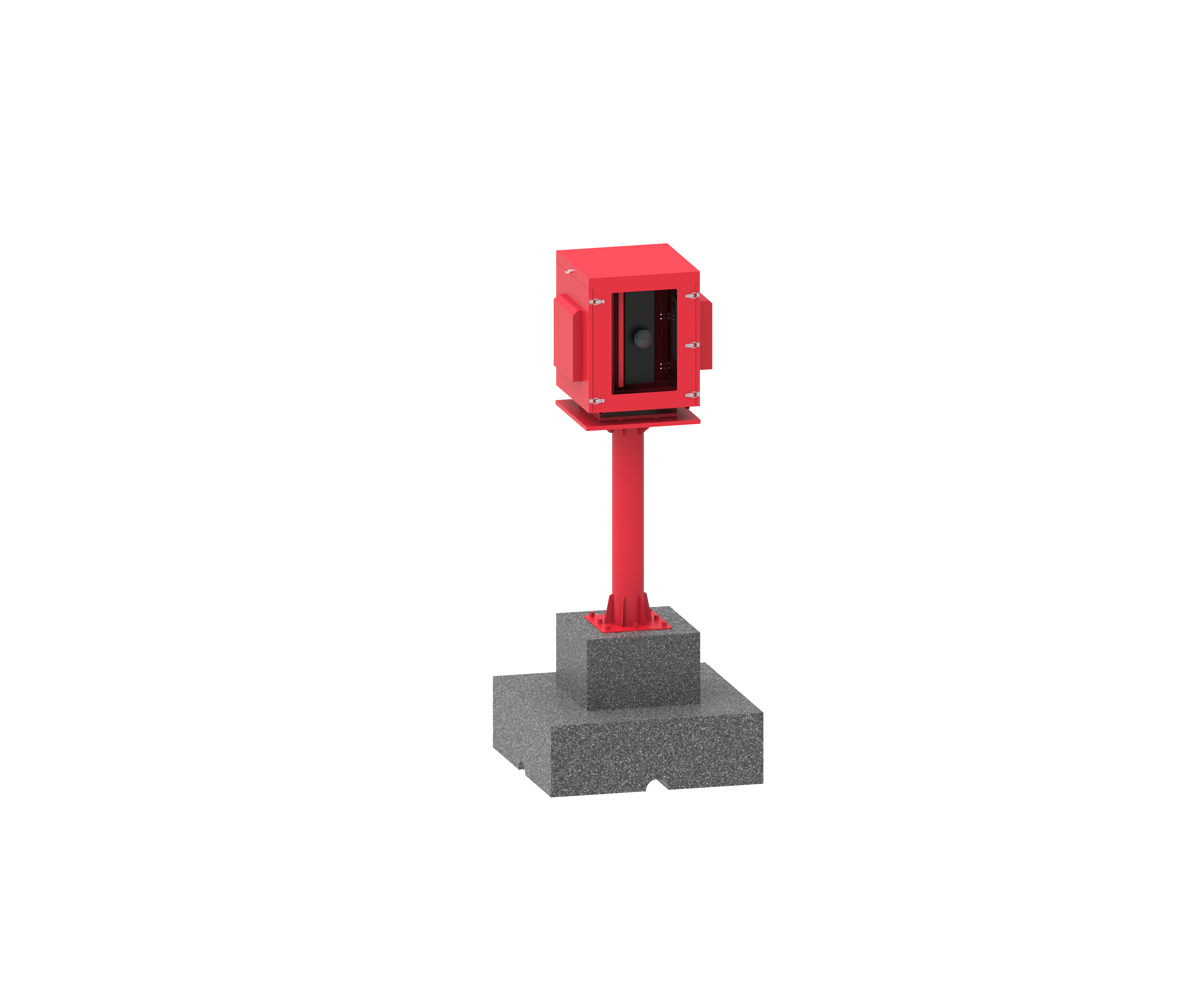
A projector waterproof box is a critical investment for outdoor or harsh-environment installations. Whether deployed in hospitality venues, educational facilities, or industrial settings, this equipment requires consistent maintenance to preserve its protective function and extend its operational lifespan. Neglecting maintenance schedules can compromise the integrity of your projector waterproof box, leaving your expensive projector vulnerable to moisture ingress, temperature fluctuations, dust accumulation, and corrosion.

Effective maintenance of a projector waterproof box involves understanding its core components, establishing preventive protocols, and responding promptly to environmental stressors. By implementing a structured maintenance regimen, facility managers can ensure that their projector waterproof box delivers reliable protection year-round, minimizing downtime and protecting equipment investments. This comprehensive guide explores the essential maintenance practices that keep your projector waterproof box functioning at peak performance.
Understanding Your Projector Waterproof Box Design
Identifying Critical Protective Elements
A projector waterproof box consists of multiple layers and sealing mechanisms designed to repel water, manage temperature, and isolate the projector from environmental contaminants. The outer shell typically features durable materials such as powder-coated aluminum or reinforced polycarbonate, while internal components include thermal management systems, ventilation channels, and specialized gaskets that create watertight seals. Understanding these structural elements helps maintenance teams recognize wear patterns and prioritize interventions for your projector waterproof box before performance degrades.
Material Composition and Environmental Interaction
The materials used in your projector waterproof box interact continuously with external conditions including UV radiation, temperature swings, humidity cycles, and chemical exposure from nearby industrial processes or saltwater environments. Different material types respond to these stressors at varying rates; metal components may corrode, seals may degrade, and plastic elements may become brittle over time. Recognizing how your specific projector waterproof box materials respond to local environmental conditions is the foundation for developing an effective maintenance strategy that preserves protective function.
Core Maintenance Practices for Maximum Effectiveness
Regular Sealing and Gasket Inspection
Gaskets and seals form the first line of defense in a projector waterproof box, creating barriers against moisture infiltration and maintaining internal environmental stability. These components naturally degrade through thermal cycling, UV exposure, and chemical weathering, becoming brittle, cracked, or compressed over time. Monthly visual inspections of your projector waterproof box seals can identify early-stage deterioration before water breaches occur. When gaskets show discoloration, hardening, visible cracks, or reduced contact pressure, schedule replacement immediately to restore the full protective capability of your projector waterproof box.
Thermal Management System Maintenance
Heat buildup inside a projector waterproof box can compromise both the projector and the enclosure structure itself, creating condensation that risks equipment failure. Cooling fans, heat exchangers, and ventilation passages require regular cleaning to maintain airflow efficiency. Dust and debris accumulation within these systems reduces cooling performance and may eventually cause the internal environment to exceed safe operating temperatures. Quarterly cleaning of your projector waterproof box thermal components using compressed air and soft brushes prevents blockages and ensures temperature regulation remains effective throughout seasonal variations.
Exterior Protection and Corrosion Prevention
The outer surface of your projector waterproof box directly contacts environmental elements and serves as the primary defense against water infiltration and UV damage. Regular cleaning with appropriate pH-neutral solutions removes salt deposits, algae growth, and chemical residues that accelerate material degradation. For metal components in your projector waterproof box, apply protective coatings or touch-up paint when corrosion spots appear. In coastal or chemically intensive environments, consider applying additional protective wax or sealants to the exterior every six months to extend the durability of your projector waterproof box.
Seasonal and Environmental Adaptation Strategies
Preparation for Extreme Weather Events
Seasonal transitions bring specific stressors that require proactive maintenance of your projector waterproof box. Before heavy rain seasons, inspect and test drainage systems that direct water away from the enclosure bottom and ensure all ventilation ports function correctly. As winter approaches in cold climates, verify that your projector waterproof box internal heating elements activate properly to prevent condensation when warm equipment meets cold external air. Pressure testing the internal seals of your projector waterproof box annually using controlled moisture exposure helps identify weak points before environmental conditions stress the system.
Humidity and Temperature Cycling Management
Daily temperature fluctuations and seasonal humidity swings create expansion and contraction cycles within your projector waterproof box that stress fasteners, seals, and material joints. These thermal cycles are the primary drivers of degradation in long-term projector waterproof box performance. Inspect mounting bolts and fasteners quarterly, tightening any that have loosened due to material movement. Monitor internal humidity levels using sensors where available; if condensation forms inside your projector waterproof box during temperature transitions, this signals that your protective moisture barriers need reinforcement or replacement.
UV Exposure and Material Degradation Response
Extended UV exposure weakens polycarbonate and plastic components in a projector waterproof box, causing brittleness and loss of optical clarity for any transparent elements. Semi-annual inspection of transparent covers, window seals, and translucent ventilation ports in your projector waterproof box identifies UV damage before failure occurs. Apply UV-protective coatings to vulnerable plastic surfaces of your projector waterproof box in sun-intensive locations, or consider installing sun shades and reflective barriers that reduce direct radiation intensity while maintaining adequate ventilation around the protective housing.
Monitoring Performance and Recognizing Failure Warning Signs
Detecting Early-Stage Seal Compromise
Water intrusion inside a projector waterproof box develops gradually before catastrophic equipment failure occurs, presenting opportunities for early intervention if monitoring systems are in place. Slight condensation on interior walls during morning hours may indicate marginal seal performance in your projector waterproof box, warranting immediate inspection and potential gasket replacement. Install desiccant packs or moisture sensors inside your projector waterproof box to provide quantitative feedback on internal humidity levels; sustained elevation above manufacturer specifications signals that your protective system needs maintenance before projector damage develops.
Performance Degradation Indicators
Beyond visible water damage, operational changes often indicate that your projector waterproof box protection is failing. Increasing fan noise, thermal alarms, or visible performance reduction in projector brightness and focus quality may signal internal moisture accumulation affecting electronic components. Equipment requiring restart cycles or intermittent operation difficulties frequently trace back to compromised sealing in the protective projector waterproof box enclosure. Establish baseline operational metrics and monitor deviations closely; any sustained change warrants immediate inspection of your projector waterproof box structural integrity and seal condition.
FAQ
How frequently should I inspect a projector waterproof box for maintenance needs?
Establish a monthly visual inspection schedule for your projector waterproof box focusing on external condition, seal integrity, and any visible moisture accumulation. Conduct quarterly detailed maintenance including cleaning thermal systems and checking fasteners. Schedule comprehensive pressure testing and seal replacement annually or whenever environmental conditions intensify stress on your projector waterproof box components. High-humidity, coastal, or chemically intensive environments may require more frequent intervention.
What signs indicate that gaskets in a projector waterproof box need replacement?
Visible cracks, permanent compression marks, hardening, discoloration, or loss of flexibility in gasket materials indicate that your projector waterproof box sealing effectiveness has declined. If you observe water condensation inside the enclosure after rain or notice your projector waterproof box interior feels damp, replace seals immediately regardless of visual condition. Some gasket degradation occurs invisibly; if your projector waterproof box has operated for three to five years in outdoor conditions, consider replacing seals proactively rather than waiting for failure signs.
Can outdoor conditions determine the maintenance intensity for a projector waterproof box?
Yes, environmental factors directly influence projector waterproof box maintenance requirements. Coastal locations with salt spray exposure, tropical climates with high humidity, or industrial areas with chemical fallout require more aggressive cleaning and protective coatings applied to your projector waterproof box exterior. Cold climates with freeze-thaw cycles stress thermal expansion and contraction, necessitating frequent fastener tightening and seal inspection. Evaluate your specific location's environmental profile and adjust your projector waterproof box maintenance schedule accordingly to preserve long-term protective effectiveness.