
 EN
EN
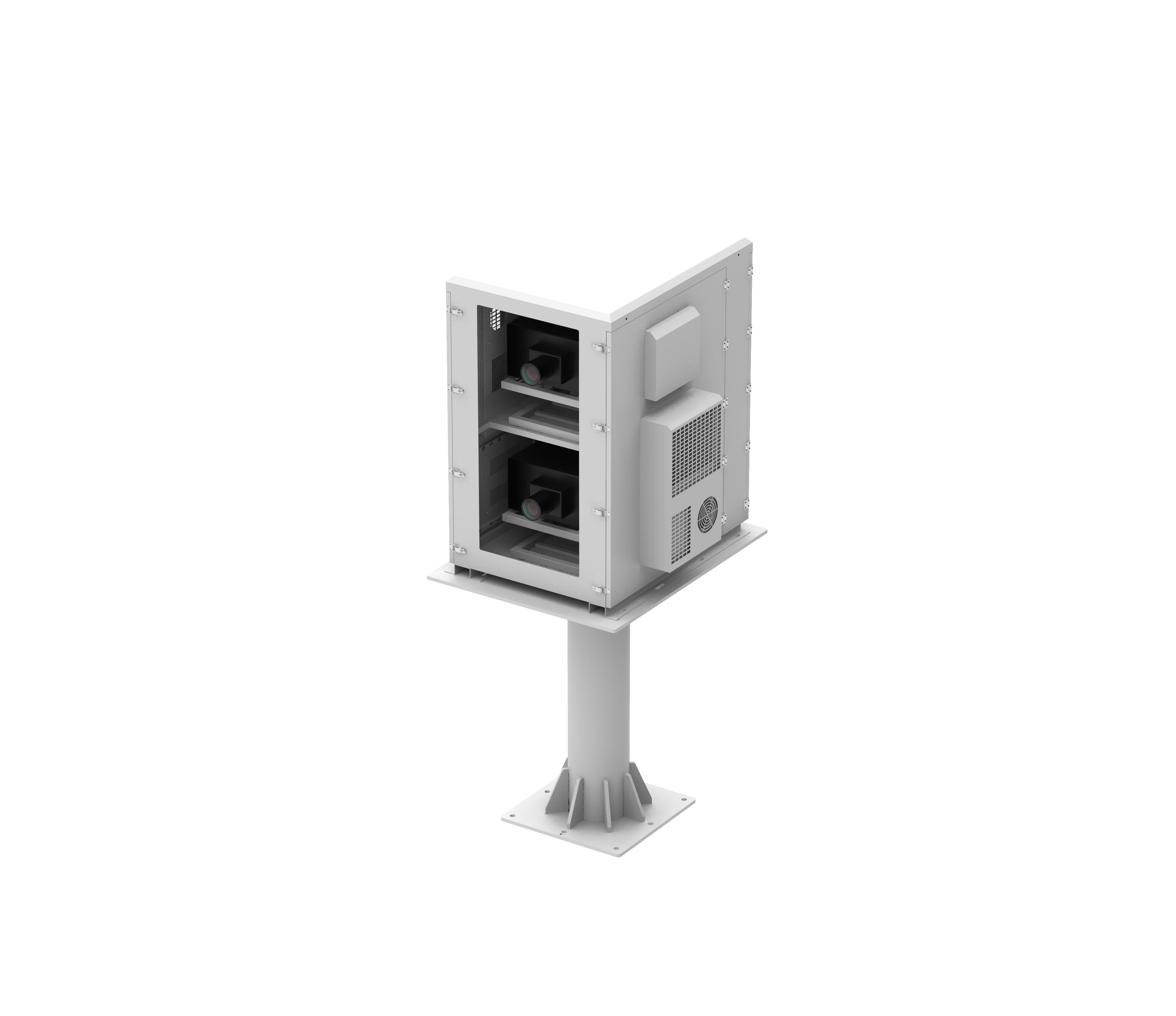
Selecting the right outdoor projector waterproof case is one of the most important decisions you will make when deploying a high-value projector in an exposed environment. Whether you are managing a large-scale outdoor advertising display, running a theme park projection show, or setting up a permanent architectural mapping installation, the enclosure you choose will directly determine how reliably your equipment performs over time. Without a properly engineered outdoor projector waterproof case, even the most advanced laser projector can suffer irreversible damage from moisture, dust, heat, and physical impact.
The market offers a wide variety of enclosure solutions, but not all of them are genuinely fit for demanding outdoor conditions. Understanding what separates an effective outdoor projector waterproof case from an inadequate one requires examining several critical factors: ingress protection ratings, thermal management systems, structural materials, installation flexibility, and long-term serviceability. This guide walks you through each of those dimensions so you can make a confident, well-informed purchasing decision for your specific project needs.
Understanding Ingress Protection Ratings for Outdoor Use
What IP Ratings Actually Mean in Practice
When evaluating any outdoor projector waterproof case, the first specification to examine is the IP rating, which stands for Ingress Protection. This two-digit international standard classifies how well an enclosure resists the entry of solid particles and liquids. The first digit refers to dust protection on a scale of zero to six, and the second digit refers to water protection on a scale of zero to eight. For outdoor deployments, an enclosure rated IP65 or higher is generally considered the minimum acceptable threshold.
IP65 means the case is completely dust-tight and can withstand low-pressure water jets from any direction. IP66 provides protection against powerful water jets, making it more suitable for environments with heavy rainfall or pressure washing. For installations near water features, in coastal regions, or in areas with extreme weather, an IP67 or IP66-rated outdoor projector waterproof case offers substantially greater peace of mind. Always verify that the rating applies to the fully assembled enclosure, not just the cabinet body alone.
Common Mistakes When Interpreting IP Ratings
Many buyers assume that a high IP rating is sufficient on its own, but this overlooks a critical nuance: the IP rating only guarantees protection under controlled test conditions. In real-world deployments, cable entry points, ventilation ducts, and mounting interfaces can all compromise the original seal of an outdoor projector waterproof case if they are not designed and installed correctly. This means that a certified IP66 enclosure can still allow moisture ingress if the cable glands are improperly fitted or if conduit connections are left unsealed.
It is equally important to understand that condensation is a distinct threat from rain or jet water. An enclosure with a high water ingress rating may still experience internal condensation when ambient temperatures fluctuate significantly between day and night. A well-engineered outdoor projector waterproof case addresses this by incorporating anti-condensation heaters or desiccant systems alongside the primary IP-rated seals. Buyers should look specifically for this feature when reviewing technical specifications.
Thermal Management as a Critical Selection Factor
Why Heat Control Defines Enclosure Quality
A sealed outdoor projector waterproof case creates an inherent thermal challenge. High-brightness laser projectors generate enormous amounts of heat, and when that heat cannot escape freely, it accumulates inside the enclosure and threatens both the projector and the enclosure's electronic components. Inadequate thermal management is one of the leading causes of premature projector failure in outdoor installations, even when the enclosure itself appears physically intact.
An effective outdoor projector waterproof case addresses this through a combination of active and passive cooling strategies. Active cooling typically involves thermostatically controlled fans that draw filtered air through the enclosure in a controlled path, exhausting heat before it reaches critical thresholds. Passive strategies include thermally conductive materials in the cabinet walls and strategic heat-sink designs. The most robust systems use a dual-channel airflow architecture that keeps intake and exhaust streams separated to maximize cooling efficiency without compromising the IP seal.
Thermostat Systems and Temperature Monitoring
A high-quality outdoor projector waterproof case should include an integrated thermostat system that actively monitors internal temperature and adjusts fan speed or activates supplementary cooling in response. This is especially important in regions with high ambient temperatures, where the enclosure's internal temperature could otherwise spike well above safe operating limits for the projector's optics and electronics. Look for enclosures that allow you to set custom temperature thresholds and receive alerts when those thresholds are approached.
In colder climates, the thermal management challenge reverses: the projector may need to be warmed before operation to avoid cold-start damage to lamp or laser modules. An integrated heater element with thermostat control is a valuable feature for any outdoor projector waterproof case intended for year-round deployment in variable climates. The best enclosures manage both heating and cooling within a single unified control system, reducing complexity and maintenance demands over the life of the installation.
Structural Materials and Build Quality Evaluation
Metal Construction Versus Composite Alternatives
The physical structure of an outdoor projector waterproof case must withstand not only weather but also mechanical stresses from vibration, wind loading, and potential impact. Steel and aluminum alloys are the most commonly used materials in professional-grade enclosures. Cold-rolled steel with a powder-coated finish offers excellent impact resistance and structural rigidity, while aluminum provides a lighter alternative with naturally good corrosion resistance. The choice between them often depends on the installation environment and mounting requirements.
For corrosive environments such as coastal installations or industrial sites with airborne chemicals, the surface treatment of the enclosure material becomes as important as the base metal itself. A well-engineered outdoor projector waterproof case will use a multi-stage treatment process that includes sandblasting, rust-inhibiting primer, and a UV-resistant powder coat topcoat. This layered approach is far more durable than simple paint finishes and significantly extends the service life of the enclosure in aggressive outdoor conditions.
Gasket Quality and Seal Integrity Over Time
The door seals and panel gaskets of an outdoor projector waterproof case are among its most functionally critical components. Silicone gaskets are generally preferred over rubber compounds because they maintain their flexibility and compression characteristics across a wider temperature range. Low-quality gaskets can harden, crack, or permanently deform over time, gradually compromising the IP rating of the enclosure without any visible external sign of failure.
When evaluating enclosure build quality, ask the supplier specifically about the gasket material specification, the compression design of the door frame, and the replacement interval recommended under normal outdoor service conditions. The best enclosures make gasket replacement straightforward and inexpensive, treating it as a routine maintenance task rather than a specialist repair. This reflects a mature engineering approach to long-term reliability in any outdoor projector waterproof case.
Installation Flexibility and Mounting Compatibility
Matching the Enclosure to Your Mounting Scenario
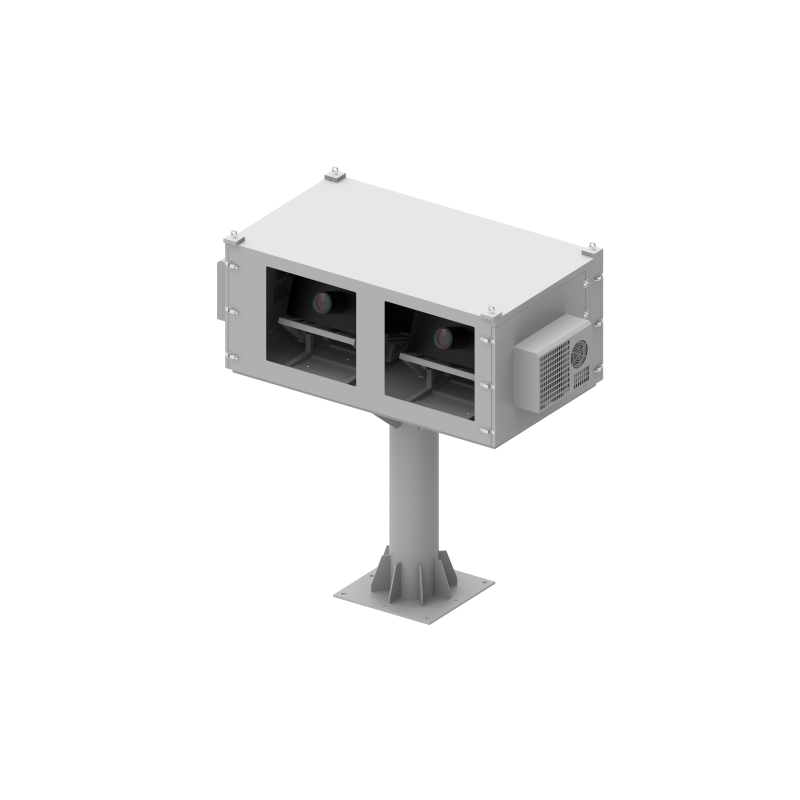
An outdoor projector waterproof case must be compatible with the specific mounting configuration your project requires. Common installation scenarios include pole mounting, ceiling or soffit mounting, truss mounting for temporary events, and ground-level pedestal mounting for fixed architectural installations. Each of these configurations places different structural loads on the enclosure and requires different mounting hardware designs. A case that is excellent for ceiling mounting may be poorly suited for pole mounting due to weight distribution or bracket compatibility.
Before committing to a specific outdoor projector waterproof case, verify that the manufacturer offers compatible mounting bracket systems for your scenario and that those brackets are rated for the combined weight of the enclosure and the projector it will house. High-brightness laser projectors can weigh between 20 and 40 kilograms, and the enclosure itself adds further mass. Structural failure in a mounting system at height represents a serious safety hazard, so this dimension of the selection process should never be treated as secondary.
Projection Angle Adjustment and Optical Window Design
The optical window is the transparent aperture through which the projector's light output passes, and it is one of the most technically demanding components in any outdoor projector waterproof case. A high-quality optical window must use low-reflection, high-transmission optical glass that minimally attenuates the projector's luminance. Anti-reflective coatings are strongly recommended, particularly for high-brightness applications where every percentage point of light loss has a measurable impact on output quality.
Equally important is whether the enclosure supports projection angle adjustment without breaking the IP seal. Many professional installations require the projector to be tilted or panned after initial installation to fine-tune the image geometry. An outdoor projector waterproof case with a sealed tilt-adjust mechanism allows installers to make these corrections without disassembling the enclosure or exposing the interior to the elements. This feature significantly reduces commissioning time and increases the practical usability of the enclosure in demanding applications. For large-scale professional installations, products like the outdoor projector waterproof case with integrated thermostat control and heavy-duty mounting support represent the kind of engineering depth that serious projects require.
Long-Term Maintenance and Serviceability Considerations
Access Design and Filter Maintenance
An outdoor projector waterproof case that is difficult to service will inevitably accumulate deferred maintenance issues that shorten both the enclosure's life and the projector's operating reliability. The filter systems in particular require regular attention: dust filters on intake vents trap airborne particulates before they enter the enclosure, but they must be cleaned or replaced at appropriate intervals. If accessing the filter requires major disassembly, maintenance will be neglected in practice even when the maintenance schedule specifies otherwise.
Look for an outdoor projector waterproof case design that incorporates tool-free or minimal-tool filter access panels that can be reached without removing the projector from the enclosure. Similarly, the main access door should use a secure but serviceable locking mechanism that allows authorised technicians to access the projector for lamp changes, lens adjustments, or fault investigation without unnecessary complexity. Good access design reflects a mature understanding of how enclosures are actually used across their service lives in real installations.
Compatibility With Projector Models and Future Upgrades
As projector technology evolves, the enclosures housing those projectors must be able to accommodate changes. An outdoor projector waterproof case that is rigidly sized for one specific projector model will become obsolete when that model is discontinued. The better approach is to select an enclosure with an adjustable internal tray system or sufficient interior dimensions to accept a range of projector sizes within a given weight and brightness class.
Verify also that the enclosure's control system interfaces — power connections, signal pass-throughs, and remote monitoring ports — are compatible with current and emerging projector communication standards. An outdoor projector waterproof case that supports RS-232, LAN, and HDBaseT signal pass-through gives integrators the flexibility to use a wide variety of projector models and control systems without requiring custom cabling workarounds. This kind of forward-compatible design substantially improves the long-term return on investment of the enclosure.
FAQ
What IP rating should an outdoor projector waterproof case have for year-round use?
For permanent year-round outdoor installations, a minimum rating of IP65 is required, and IP66 is strongly recommended for locations subject to heavy rainfall, high humidity, or periodic pressure washing. An IP66-rated outdoor projector waterproof case provides complete dust protection and resistance to powerful water jets from any direction, making it suitable for the vast majority of demanding outdoor environments. For locations near water features or in coastal zones with salt spray, IP66 combined with corrosion-resistant surface treatment is the preferred specification.
How does thermal management affect the choice of an outdoor projector waterproof case?
Thermal management is one of the most critical selection factors. A properly designed outdoor projector waterproof case must actively remove the heat generated by a high-brightness projector while maintaining the IP seal. Enclosures without adequate thermostat-controlled cooling systems will allow internal temperatures to exceed safe operating limits, leading to projector shutdowns, accelerated component aging, and eventual hardware failure. Always verify that the enclosure's cooling specification matches or exceeds the projector's stated heat dissipation requirements.
Can a single outdoor projector waterproof case fit multiple projector models?
Many professional-grade enclosures are designed with adjustable internal mounting systems that can accommodate a range of projector sizes within a given class. However, compatibility is not universal, and it is essential to verify the interior dimensions and weight capacity of the outdoor projector waterproof case against the specific projector models you intend to use now and in the future. Choosing an enclosure with some dimensional headroom and a flexible mounting tray system is the best approach for installations where projector upgrades are anticipated.
What maintenance does an outdoor projector waterproof case typically require?
Routine maintenance for an outdoor projector waterproof case typically includes cleaning or replacing air intake filters at intervals specified by the manufacturer, inspecting and re-compressing door gaskets annually, verifying the integrity of cable gland seals, and testing the thermostat and heater functions before seasonal extremes. Enclosures with tool-free filter access and clearly documented maintenance procedures are significantly easier to keep in optimal condition over multi-year service periods. Consistent preventive maintenance is the most cost-effective way to protect both the enclosure investment and the projector it houses.
Table of Contents
- Understanding Ingress Protection Ratings for Outdoor Use
- Thermal Management as a Critical Selection Factor
- Structural Materials and Build Quality Evaluation
- Installation Flexibility and Mounting Compatibility
- Long-Term Maintenance and Serviceability Considerations
-
FAQ
- What IP rating should an outdoor projector waterproof case have for year-round use?
- How does thermal management affect the choice of an outdoor projector waterproof case?
- Can a single outdoor projector waterproof case fit multiple projector models?
- What maintenance does an outdoor projector waterproof case typically require?