
 EN
EN
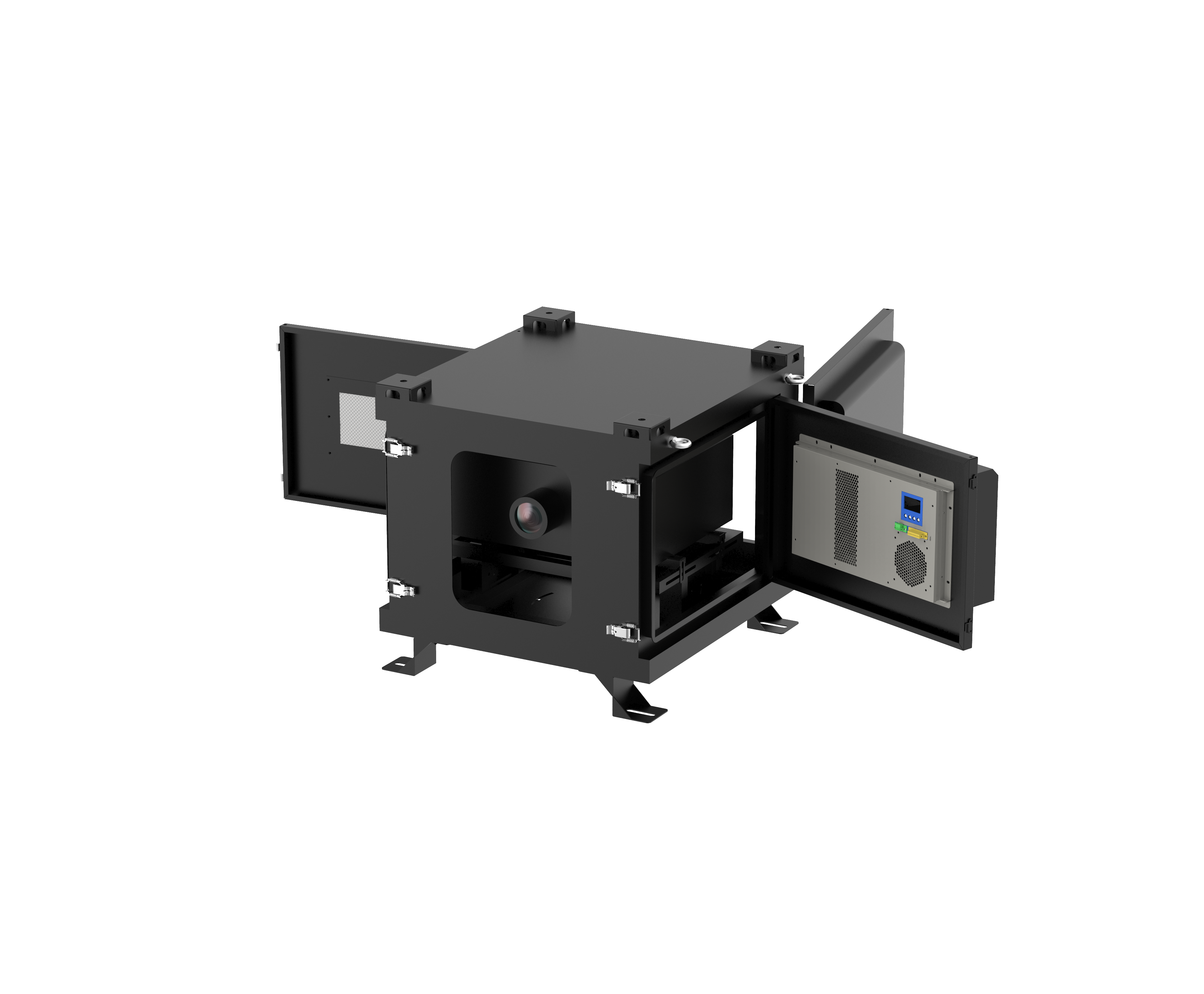
When sensitive electronics or precision equipment are deployed in outdoor environments, weather-related damage becomes one of the most pressing concerns for engineers, facility managers, and AV professionals alike. A high-quality waterproof case serves as the first and most critical line of defense against the unpredictable forces of nature. Whether the challenge is a sudden downpour, a dust storm, or prolonged humid conditions, the enclosure surrounding the equipment determines whether it continues to function reliably or fails prematurely. Understanding how this protection actually works at a mechanical and material level helps buyers make smarter decisions when specifying enclosures for outdoor installations.
The science behind a well-engineered waterproof case combines material selection, sealing technology, structural design, and compliance with internationally recognized protection standards. These factors work in concert to create an environment inside the enclosure that remains dry, clean, and thermally stable even when the outside world presents harsh or damaging conditions. This article explores each of these protective mechanisms in detail, explaining why each layer of defense matters and how they collectively shield your equipment from both dust and rain with consistent, long-term effectiveness.
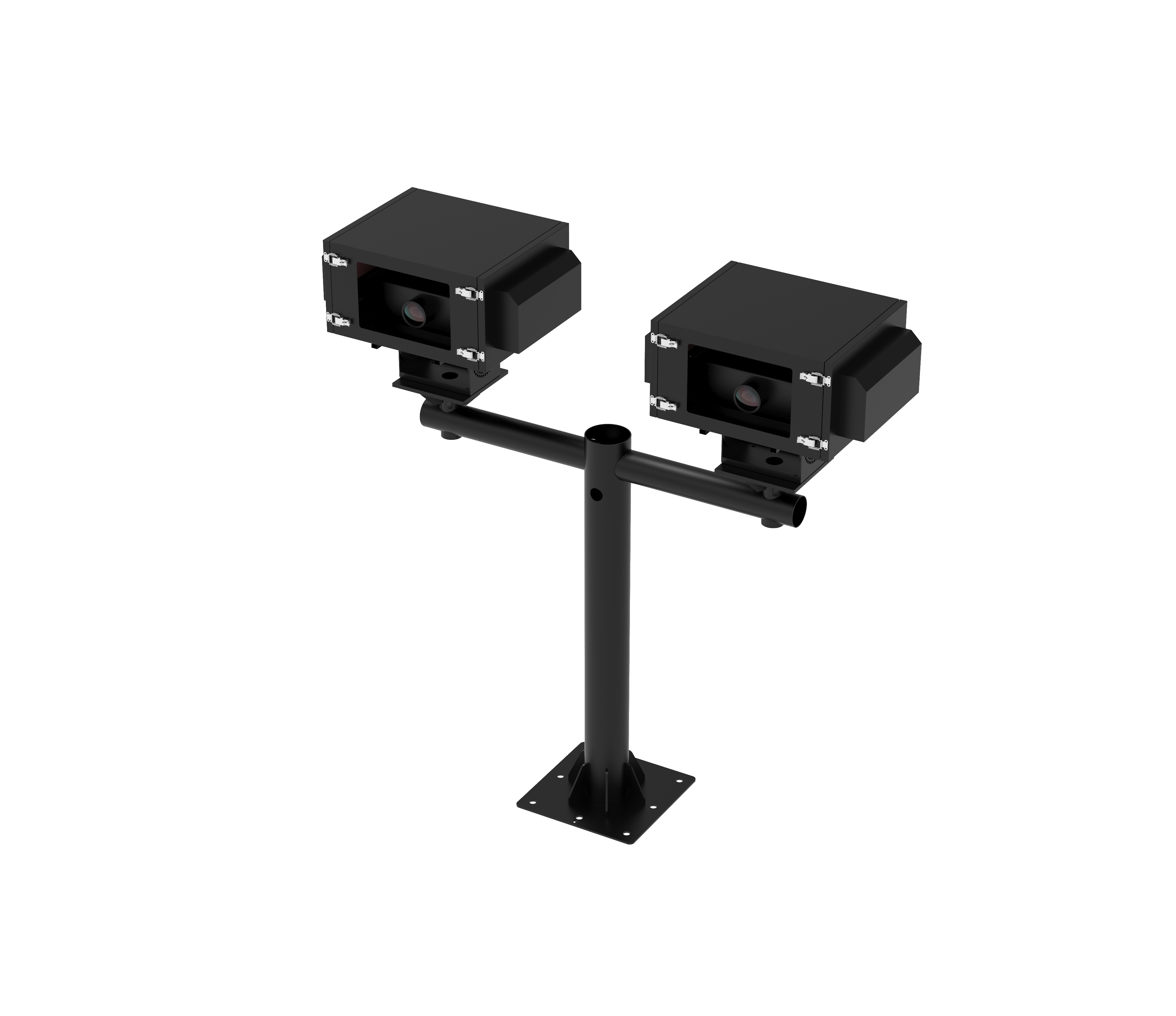
The Core Principles of Waterproof Case Design
Sealed Enclosure Architecture
The foundation of any effective waterproof case is its sealed enclosure architecture. This refers to the physical construction of the housing, including the rigidity of the shell, the precision of mating surfaces, and the absence of gaps or unintentional openings. A well-designed enclosure uses tight tolerances in its manufacturing process to ensure that no surface irregularities exist at the seam where two panels meet. Even microscopic gaps can allow capillary action to draw water inward, which is why industrial-grade enclosures invest heavily in precision machining and forming techniques.
Structural materials also play a significant role in maintaining the integrity of the sealed architecture. High-density polyethylene, glass-fiber-reinforced polymers, and die-cast aluminum alloys are commonly chosen for their dimensional stability under temperature fluctuations and mechanical stress. When the case expands and contracts due to outdoor temperature swings, these materials resist warping, which would otherwise compromise the seal. The shape of the housing itself, often with reinforced corners and flat, true mating surfaces, supports the gasket in maintaining consistent compression around the entire perimeter.
In applications such as outdoor projector enclosures, the sealed architecture must accommodate ventilation or optical apertures without sacrificing protection levels. Engineers address this by integrating filtered ports and optically treated viewing windows directly into the structural design, ensuring that every opening serves a functional purpose and is itself protected against ingress. The result is a waterproof case that maintains its protection rating even when it must breathe or transmit light.
Gasket and Sealing Materials
A gasket is the component most directly responsible for blocking water and dust at the interface between two structural panels. In a professional-grade waterproof case, the gasket is typically made from closed-cell silicone, EPDM rubber, or neoprene, each selected for their elasticity, chemical resistance, and ability to maintain a compression seal over thousands of cycles of opening and closing. The gasket sits in a machined channel and deforms slightly when the lid or door is closed, filling any micro-gaps and creating a continuous barrier that water molecules and dust particles cannot penetrate.
The compression ratio of the gasket is a critical engineering parameter. Too little compression means the seal is incomplete; too much can permanently deform the gasket and reduce its effective life. Manufacturers of high-performance waterproof case products calibrate the gasket channel depth and the closure force of latches or fasteners to hit an optimal compression range. This is why the latch count, placement, and clamping torque on a professional enclosure are not arbitrary—they are calculated to deliver the right amount of sealing force evenly distributed around the entire perimeter.
Over time, exposure to UV radiation, ozone, and extreme temperatures can degrade gasket materials. Quality enclosure manufacturers specify UV-stabilized and ozone-resistant compounds precisely because the waterproof case may be installed outdoors for years without the gasket being replaced. Selecting the right material for the installation environment—whether it is a tropical climate with intense UV or a northern climate with freeze-thaw cycles—is just as important as the initial sealing design itself.
IP Rating Standards and What They Mean in Practice
Understanding the IP Code for Dust and Water
When evaluating any waterproof case, the IP (Ingress Protection) rating system defined by IEC standard 60529 provides a standardized and independently verifiable benchmark for protection levels. The IP code consists of two digits: the first indicates the degree of protection against solid particles, including dust, while the second indicates protection against liquids, particularly water. A rating of IP65, for example, means the enclosure is fully dust-tight and can withstand water jets from any direction, which covers the vast majority of outdoor rain exposure scenarios.
For outdoor equipment enclosures, IP65 is frequently considered the baseline requirement, while installations in particularly harsh environments—such as those subject to pressure washing, heavy rain, or partial submersion risk—may demand IP66 or IP67 ratings. Understanding these distinctions helps specifiers choose the right waterproof case for their specific deployment context. An IP65-rated enclosure will not necessarily survive a garden hose pointed directly at a seam, but an IP66-rated unit is tested against exactly that scenario with defined water pressure and duration.
It is worth noting that IP ratings reflect performance at the time of testing under controlled laboratory conditions. Real-world longevity depends on proper installation, gasket maintenance, and the selection of appropriate cable entry points or conduit fittings that carry their own protection ratings. A waterproof case that achieves IP66 from the manufacturer can be downgraded to a much lower protection level if its cable glands are not rated to match or if the installation introduces mechanical stress on the sealing surfaces.
Dust Protection Mechanisms Explained
Dust ingress is not merely a cleanliness concern—fine particulate matter is abrasive, electrostatically active, and thermally insulating. Inside sensitive electronic equipment, accumulated dust can cause short circuits, overheat components, and physically damage optical surfaces such as projector lenses. A waterproof case that achieves the first digit '6' in its IP rating (fully dust-tight) prevents any solid particles from entering, regardless of their size or the duration of exposure. This is particularly critical in desert environments, construction zones, or agricultural settings where airborne particulate loads are very high.
The mechanism by which a dust-tight waterproof case blocks particulate ingress is primarily the gasket, but it is supported by the absence of any openings that are not sealed or filtered. In enclosures that require ventilation for thermal management, dust is blocked by hydrophobic membrane filters or fine mesh barriers that allow airflow while rejecting particles above a defined micron size. These filtered vents must themselves be rated for the application, and their placement on the enclosure should minimize direct exposure to the dominant direction of dust-laden wind.
For optical enclosures like projector cases, even the viewing window or lens port must be sealed against dust ingress. This is typically achieved through a chemically bonded or gasket-compressed optical element that integrates seamlessly into the front panel. A waterproof case designed for projector applications will often include a front window with anti-reflection coating and a sealed perimeter, ensuring that the optical path remains clear and clean even after years of outdoor operation.
Rain Protection Engineering in a Waterproof Case
Drainage Geometry and Water Deflection
Preventing rain from damaging internal equipment is not achieved by the gasket alone. Smart physical geometry plays a supporting role by ensuring that water flowing across the exterior surface of the waterproof case is directed away from seams, latches, and cable entry points. Angled roof panels, raised ridges around door perimeters, and recessed latch pockets all contribute to a passive drainage strategy that reduces the hydrostatic pressure exerted on sealing surfaces during heavy rainfall.
In vertical wall-mounted or pole-mounted enclosures, the orientation of the door or access panel relative to the prevailing rain direction is a critical installation consideration. Many manufacturers of outdoor waterproof case products include mounting guidelines that specify the optimal orientation for drainage, ensuring that the weep holes and drain channels incorporated into the design function as intended. When an enclosure is mounted horizontally or at an unusual angle, water can pool in areas not intended to hold it, potentially overwhelming a seal that would otherwise perform perfectly.
Some advanced enclosure designs incorporate a secondary drainage channel inside the gasket perimeter—a moat-like groove that captures any water that might bypass the outer gasket under extreme conditions and directs it harmlessly away before it can reach the interior. This belt-and-suspenders approach to rain protection is common in enclosures intended for IP66 and above, where the testing standard simulates extremely heavy and directed water exposure. For a projector waterproof case deployed outdoors, this level of engineered redundancy provides meaningful additional assurance.
Cable Entry and Port Sealing
One of the most common failure points of any waterproof case installation is the cable entry point. Every conduit, cable, or connector that passes through the enclosure wall creates a potential pathway for water and dust if not properly sealed. Industrial installations use IP-rated cable glands—threaded compression fittings that grip the cable jacket and create a watertight seal around it simultaneously. The cable gland's IP rating must match or exceed that of the enclosure itself to avoid downgrading the overall protection level of the installation.
Blanking plugs are used to seal any unused cable entry holes, and these too must be rated appropriately. It is a surprisingly common oversight for an otherwise well-specified waterproof case to have a standard untested rubber bung inserted in a cable port, allowing moisture ingress under sustained rain or high humidity. Professional installations specify certified blanking plugs with documented compression seals and verify every penetration as part of a commissioning checklist.
Connectorized entries, where plug-and-socket connectors are mounted through the enclosure wall, must use panel-mount connectors with a defined sealing collar. M12 and M23 circular connectors with IP67 or IP68 sealing ratings are common in industrial applications. These create a clean, tool-free, and fully sealed entry point that maintains the waterproof case's protection integrity even when cables are frequently connected and disconnected in the field.
Thermal Management Inside a Waterproof Case
Balancing Sealing and Heat Dissipation
A sealed waterproof case creates a thermal challenge: the same barrier that keeps water and dust out also traps the heat generated by electronics inside. Without adequate thermal management, internal temperatures can rise to levels that reduce component life, trigger thermal shutdown, or cause permanent damage to sensitive optics and circuit boards. Managing this thermal challenge without compromising the protection level requires thoughtful engineering of the heat dissipation pathway.
The most common approach in a sealed waterproof case is conductive heat transfer, where the heat generated by internal components is transferred through a thermally conductive pad or heat spreader to the enclosure wall, which then acts as a heat sink by radiating heat into the surrounding air. This approach requires no openings and therefore does not compromise the IP rating. Finned aluminum housings maximize the external surface area available for convective cooling without introducing any ingress paths.
For applications with higher heat loads, such as projector enclosures running high-lumen laser or lamp-based projectors, forced convection through filtered and rated vents may be necessary. In this design, a fan draws air through a hydrophobic membrane or sintered filter that blocks water and dust while allowing airflow. The filter media must be selected to maintain its IP rating even when wet, as a waterproof case installed outdoors will regularly be exposed to rain that saturates the filter surface. Regular filter maintenance schedules are part of the lifecycle management for such installations.
Condensation Control Inside the Enclosure
Even a perfectly sealed waterproof case can develop internal condensation if temperature swings are large enough. When warm, humid air trapped inside during installation subsequently cools overnight, moisture condenses on the coldest internal surfaces. Over time, this condensation cycle can be as damaging as direct water ingress, corroding circuit boards, clouding optical elements, and promoting mold growth on cable insulation.
Professional outdoor enclosure installations address this risk through the use of desiccant cartridges or pressure-equalizing membrane vents. A desiccant cartridge absorbs residual moisture from the air sealed inside the enclosure at the time of installation, while a membrane vent allows the internal air pressure to equalize with the outside as temperatures change without allowing liquid water or dust particles to pass through. This combination of sealed construction and controlled micro-ventilation keeps the interior of the waterproof case both dry and pressure-balanced over its full operational life.
For long-term installations where access for desiccant replacement is inconvenient, some enclosure manufacturers integrate permanently sealed desiccant chambers with indicator windows that show saturation status. These allow maintenance personnel to assess the condition of the moisture management system at a glance during routine inspections, without needing to open the waterproof case and potentially introduce the very moisture they are trying to prevent.
Selecting the Right Waterproof Case for Outdoor Equipment
Matching Protection Level to Environmental Risk
Specifying a waterproof case for any outdoor application begins with a realistic assessment of the environmental risks present at the installation site. Temperature range, prevailing precipitation type and intensity, airborne particulate levels, and the presence of chemical contaminants such as salt spray or industrial pollutants all influence which protection level and material choices are appropriate. A coastal marina installation, for example, requires not only an IP66-rated waterproof case but also materials and coatings resistant to salt corrosion, while a desert cinema installation may prioritize dust-tight sealing over liquid water protection.
The operational duty cycle of the equipment inside also shapes enclosure selection. Equipment that generates significant heat and must run continuously demands a waterproof case with an engineered thermal management strategy integrated from the outset. Equipment that is used intermittently in a controlled manner may tolerate a simpler, fully passive sealed design. Understanding both the environmental input and the thermal output of the installation allows specifiers to choose a waterproof case that performs reliably over its full intended service life rather than just at initial commissioning.
Physical dimensions, mounting options, and access requirements round out the selection criteria. A waterproof case must accommodate all necessary cabling, any required internal mounting hardware, and sufficient clearance for airflow or component installation without being so oversized that it becomes difficult to mount or aesthetically intrusive in the installation environment. For outdoor projector enclosures specifically, the optical alignment between the projector lens, any internal mirror or lens system, and the sealed front window must be maintained with precision, which places additional dimensional requirements on the enclosure design.
Maintenance Practices That Preserve Long-Term Protection
Even the most robust waterproof case requires periodic maintenance to preserve its protection performance over time. Gaskets should be inspected for compression set, cracking, or chemical degradation on a schedule appropriate to the operating environment—annually in mild climates, more frequently in extreme UV or temperature cycling environments. A gasket that has lost its elasticity will no longer create a reliable seal under normal closure force and should be replaced before the rainy season or before critical operational periods.
Fasteners, latches, and hinges should be checked for corrosion and proper torque. A latch that has corroded and no longer applies full clamping force represents a direct reduction in the sealing effectiveness of the waterproof case. Stainless steel hardware is preferred in corrosive environments, and any replacement hardware should match the original specification to ensure the correct compression force is maintained. Applying a small amount of silicone grease to the gasket during reassembly helps maintain its elasticity and extends its service life significantly.
Filter media in ventilated enclosures should be cleaned or replaced on a schedule driven by the particulate load of the environment. A clogged filter increases internal temperature by reducing airflow and can eventually become a structural weakness in the sealing system if the pressure differential across it becomes large enough to pull the filter media away from its frame. Keeping maintenance records for each installed waterproof case helps facility managers anticipate component replacement needs before they result in equipment failures.
FAQ
What is the minimum IP rating a waterproof case should have for outdoor use in rain?
For most outdoor applications involving rain exposure, an IP65 rating is generally considered the minimum acceptable standard. This rating confirms that the waterproof case is fully dust-tight and can withstand low-pressure water jets from any direction. For environments with heavy rain, power washing, or the risk of water pooling near the enclosure, IP66 or higher is recommended to ensure reliable protection under more severe water exposure conditions.
Can a waterproof case maintain its rating after years of outdoor exposure?
A waterproof case can maintain its rated protection level for many years if proper maintenance practices are followed. This includes periodic inspection and replacement of gaskets, verification of latch torque, cleaning or replacement of filter media, and checking all cable entry seals for signs of degradation. Environmental factors such as UV exposure, temperature cycling, and chemical pollutants accelerate gasket aging, so inspection intervals should be adjusted based on the specific deployment conditions of each installation.
Does a sealed waterproof case always require active cooling for electronics?
Not always. Whether active cooling is required depends on the heat output of the internal equipment and the ambient temperature range of the installation site. Low-power electronics may be adequately cooled through conductive heat transfer to a finned aluminum enclosure wall. High-power equipment such as projectors or industrial computers typically requires either forced-air ventilation through rated filtered vents or a dedicated heat exchanger integrated into the waterproof case design to maintain acceptable internal temperatures.
How do cable entries affect the overall protection rating of a waterproof case?
Cable entries are one of the most critical points in maintaining the protection rating of any waterproof case installation. Every cable, conduit, or connector that penetrates the enclosure wall must be sealed using an IP-rated cable gland or panel-mount connector with a matching or higher protection rating than the enclosure itself. Unused ports must be sealed with certified blanking plugs. Failure to properly seal cable entries is the most common cause of ingress failures in otherwise well-specified enclosures and can completely negate the protective investment made in the waterproof case itself.
Table of Contents
- The Core Principles of Waterproof Case Design
- IP Rating Standards and What They Mean in Practice
- Rain Protection Engineering in a Waterproof Case
- Thermal Management Inside a Waterproof Case
- Selecting the Right Waterproof Case for Outdoor Equipment
-
FAQ
- What is the minimum IP rating a waterproof case should have for outdoor use in rain?
- Can a waterproof case maintain its rating after years of outdoor exposure?
- Does a sealed waterproof case always require active cooling for electronics?
- How do cable entries affect the overall protection rating of a waterproof case?