
 EN
EN
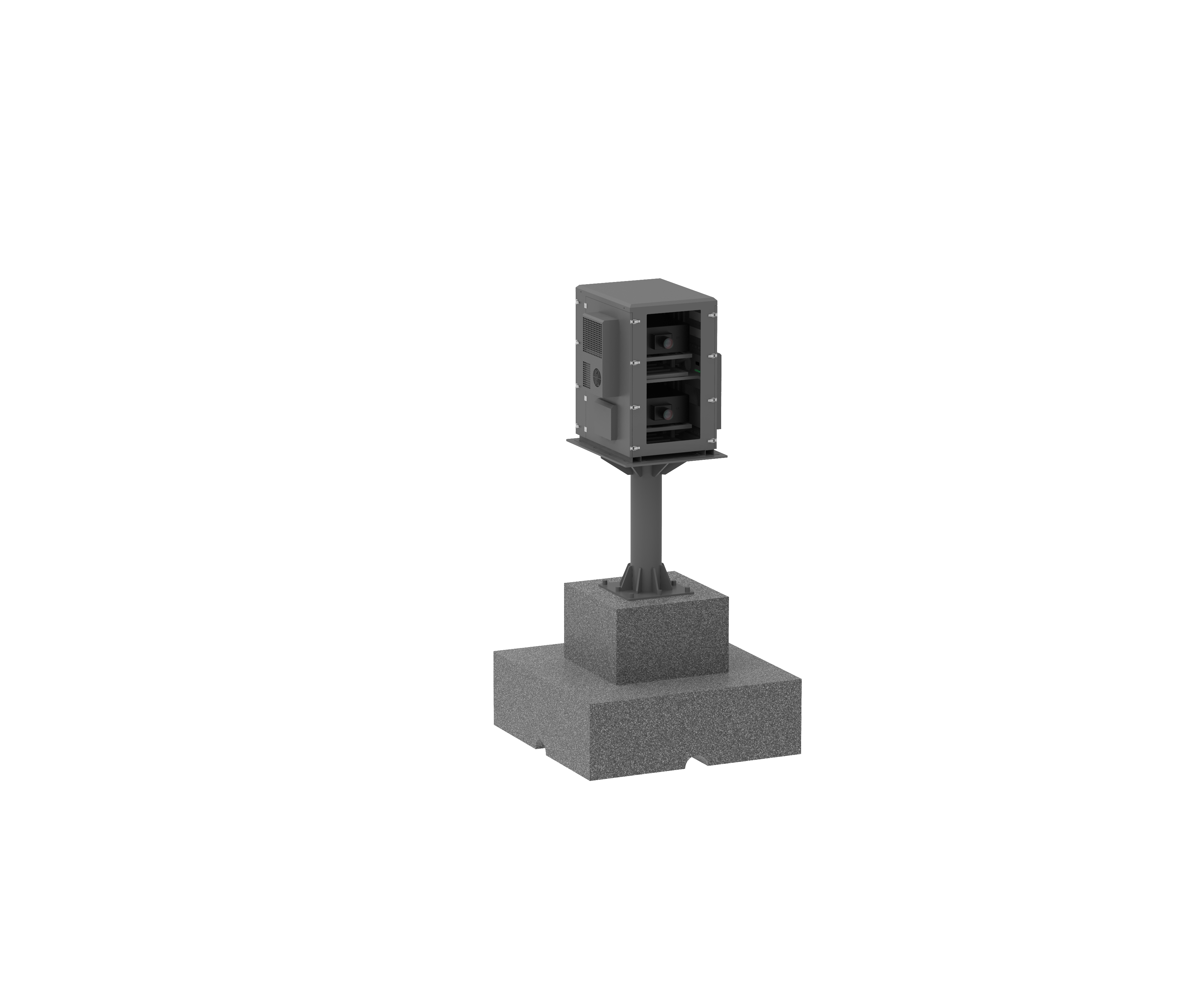
Outdoor entertainment and professional presentations have become increasingly popular, driving the need for reliable projection equipment that can withstand the elements. When setting up projection systems in outdoor environments, one of the most critical considerations is protecting expensive projector equipment from weather conditions, dust, and environmental hazards. A projector waterproof box serves as an essential protective solution that ensures your investment remains safe while delivering consistent performance in challenging outdoor conditions.
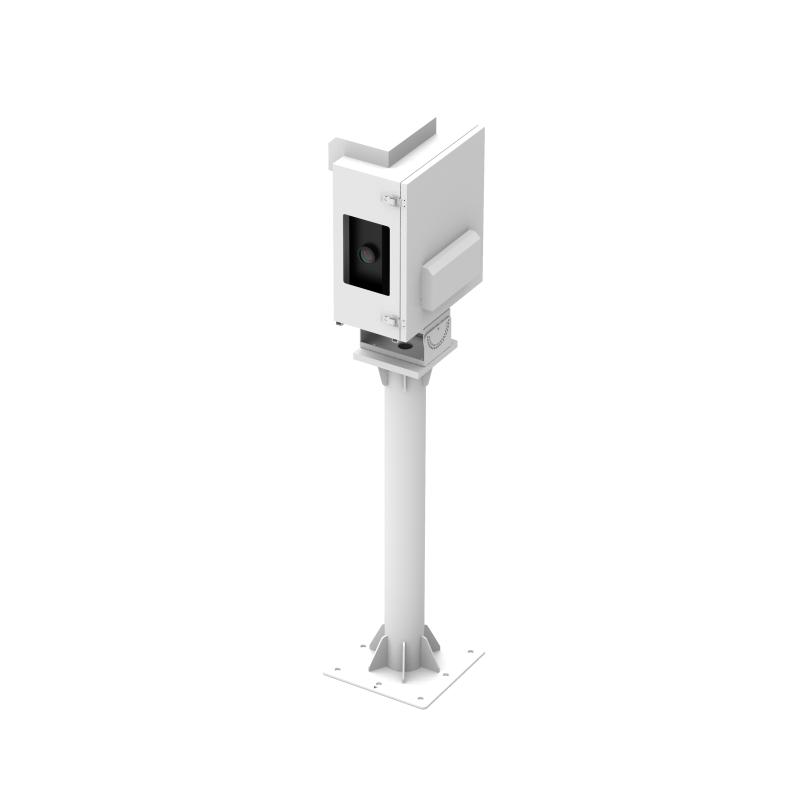
Understanding the Fundamentals of Outdoor Projector Protection
Weather-Related Challenges for Outdoor Projection
Outdoor projection environments present unique challenges that indoor setups never face. Rain, snow, humidity, and temperature fluctuations can cause irreversible damage to sensitive electronic components within projectors. Moisture infiltration is particularly dangerous, as it can cause short circuits, corrosion, and permanent damage to internal circuitry. Wind-blown debris, dust, and UV radiation from direct sunlight also pose significant threats to projector longevity and performance quality.
Temperature variations between day and night can cause condensation to form inside projector housings, leading to lens fogging and internal component damage. Without proper protection, even brief exposure to adverse weather conditions can result in costly repairs or complete equipment replacement. Professional outdoor installations require reliable protection systems that maintain optimal operating conditions regardless of external environmental factors.
Cost Implications of Unprotected Outdoor Equipment
The financial impact of weather damage to unprotected projectors can be substantial, often exceeding the initial cost of proper protection systems. High-quality commercial projectors typically range from several thousand to tens of thousands of dollars, making protection investments highly cost-effective. Repair costs for water damage, dust infiltration, or thermal shock can easily reach 50-80% of the original equipment value, assuming repairs are even possible.
Insurance coverage for outdoor equipment damage varies significantly, and many policies exclude weather-related damages for unprotected equipment. Implementing proper protective measures not only preserves equipment value but also ensures continuous operation for critical applications such as outdoor events, architectural projections, and commercial displays. The return on investment for quality protective solutions typically pays for itself within the first year of operation.
Essential Features of Professional Waterproof Projector Enclosures
Ingress Protection Standards and Ratings
Professional projector waterproof box solutions must meet specific ingress protection standards to ensure adequate protection against environmental hazards. The International Protection Marking system, commonly known as IP ratings, provides standardized classifications for equipment protection levels. For outdoor applications, enclosures should typically achieve IP65 or higher ratings, indicating complete protection against dust ingress and water jets from any direction.
Higher IP ratings such as IP66 or IP67 provide enhanced protection against powerful water jets and temporary immersion, respectively. These ratings are particularly important for installations in coastal environments, areas with severe weather patterns, or locations subject to pressure washing for maintenance. Understanding IP ratings helps facility managers and AV professionals select appropriate protection levels based on specific environmental conditions and exposure risks.
Thermal Management and Ventilation Systems
Effective thermal management represents a critical aspect of projector enclosure design, as projectors generate significant heat during operation. Quality waterproof enclosures incorporate sophisticated ventilation systems that maintain optimal operating temperatures while preventing moisture infiltration. These systems typically include filtered intake vents, exhaust fans, and heat exchangers that regulate internal temperatures without compromising weather protection.
Advanced thermal management systems may include temperature monitoring, automatic fan speed control, and emergency shutdown protocols to prevent overheating damage. Some high-end enclosures feature air conditioning systems for extreme temperature environments or high-brightness projector applications. Proper thermal design ensures consistent projector performance and extends equipment lifespan significantly compared to inadequately ventilated installations.
Installation Considerations for Outdoor Projector Enclosures
Mounting and Structural Requirements
Proper installation of outdoor projector enclosures requires careful consideration of mounting systems, structural support, and environmental factors. Enclosures must be securely mounted to withstand wind loads, seismic activity, and potential impact from debris or vandalism. Mounting systems should distribute weight evenly and provide adjustable positioning capabilities for optimal projection angles and maintenance access.
Structural analysis may be required for permanent installations, particularly when mounting enclosures on building facades, towers, or custom support structures. Foundation requirements vary based on enclosure size, projector weight, and local building codes. Professional installation ensures compliance with safety regulations and maximizes system reliability while minimizing maintenance requirements throughout the equipment lifecycle.
Power and Signal Infrastructure
Outdoor projector installations require robust power and signal distribution systems designed for harsh environmental conditions. Electrical connections must be properly weatherproofed using marine-grade connectors, sealed junction boxes, and appropriate cable ratings for outdoor use. Ground fault circuit interrupters and surge protection devices are essential for safe operation and equipment protection against electrical hazards.
Signal transmission over long distances may require fiber optic cables or high-quality coaxial systems to maintain image quality and reliability. Wireless transmission systems can eliminate cable runs but may introduce latency and reliability concerns in mission-critical applications. Proper cable management within enclosures ensures easy maintenance access while maintaining weather sealing integrity.
Maintenance and Long-Term Performance Optimization
Preventive Maintenance Protocols
Regular maintenance schedules are essential for maximizing the performance and lifespan of outdoor projector installations. Preventive maintenance protocols should include periodic inspection of seals, gaskets, and weatherproofing components to ensure continued protection against environmental hazards. Filter replacement schedules must account for local air quality conditions, with more frequent changes required in dusty or polluted environments.
Cleaning procedures for both enclosure exteriors and internal components help maintain optimal thermal performance and prevent contamination buildup. Lubrication of mechanical components such as cooling fans and adjustable mounting hardware prevents premature wear and ensures smooth operation. Documentation of maintenance activities helps identify trends and optimize service intervals for specific installation conditions.
Performance Monitoring and Diagnostics
Modern projector waterproof box solutions often incorporate remote monitoring capabilities that provide real-time status information and diagnostic data. Temperature sensors, humidity monitors, and fan speed indicators help facility managers track system performance and identify potential issues before they result in equipment failure. Remote monitoring reduces the need for physical site visits and enables proactive maintenance scheduling.
Automated alert systems can notify maintenance personnel of abnormal conditions such as excessive temperatures, humidity levels, or component failures. Integration with building management systems allows centralized monitoring of multiple installations and streamlined maintenance operations. Advanced diagnostic capabilities help optimize performance parameters and identify efficiency improvements over time.
Industry Applications and Use Cases
Commercial and Retail Applications
Retail environments increasingly utilize outdoor projection systems for advertising, branding, and customer engagement applications. Shopping centers, automotive dealerships, and entertainment venues rely on protected projection systems to deliver consistent visual experiences regardless of weather conditions. Projector waterproof box solutions enable retailers to extend their visual merchandising strategies into outdoor spaces while protecting substantial technology investments.
Architectural projection mapping has become a popular marketing tool for hotels, restaurants, and entertainment complexes. These applications require reliable protection systems that maintain image quality and color accuracy over extended periods. Professional-grade enclosures ensure that branded content displays remain operational and visually appealing throughout varying seasonal conditions and weather patterns.
Educational and Municipal Applications
Educational institutions utilize outdoor projection systems for campus events, athletic facilities, and educational programming in outdoor classrooms. Municipal applications include public information displays, emergency communication systems, and cultural events in parks and public spaces. These applications require robust protection systems that provide reliable operation over many years with minimal maintenance requirements.
Security considerations for public installations include vandal-resistant designs, tamper-proof mounting systems, and remote monitoring capabilities. Educational and municipal budgets often require extended warranty coverage and predictable maintenance costs, making quality protective enclosures essential for long-term project success and stakeholder satisfaction.
FAQ
What IP rating should I look for in a projector waterproof box for outdoor use
For most outdoor applications, you should look for a minimum IP65 rating, which provides complete protection against dust ingress and protection against water jets from any direction. For more severe environments or coastal installations, consider IP66 or IP67 ratings for enhanced water protection. The specific rating depends on your local climate conditions and exposure risks.
How does thermal management work in waterproof projector enclosures
Quality waterproof enclosures use sophisticated ventilation systems that include filtered air intake, exhaust fans, and heat exchangers to maintain optimal temperatures while preventing moisture infiltration. Advanced systems may include temperature monitoring, variable fan speed control, and emergency shutdown protocols to prevent overheating damage while maintaining weather protection.
Can projector waterproof boxes accommodate different projector sizes and types
Most professional projector enclosures are designed with adjustable mounting systems and modular configurations to accommodate various projector sizes and types. Custom solutions are available for specialized applications or unique projector configurations. It's important to verify compatibility with your specific projector model, including clearance requirements for ventilation and cable connections.
What maintenance is required for outdoor projector enclosures
Regular maintenance includes inspection of seals and gaskets, filter replacement, cleaning of internal and external surfaces, and lubrication of mechanical components. Maintenance frequency depends on environmental conditions, with dusty or corrosive environments requiring more frequent service. Remote monitoring systems can help optimize maintenance schedules and identify issues before they cause equipment failure.