
 EN
EN
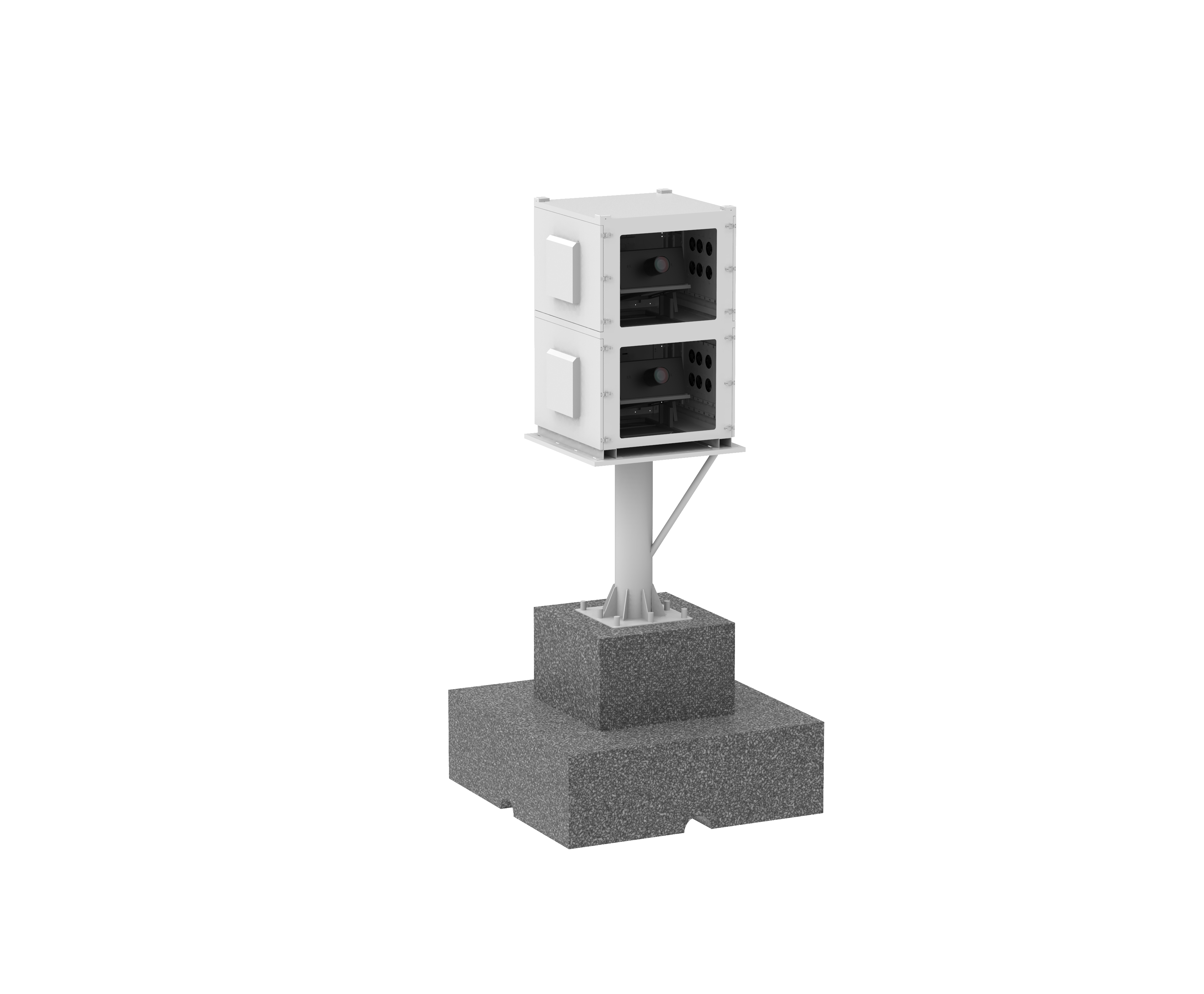
Protecting expensive projection equipment in outdoor environments requires more than basic shelter. An outdoor projector cabinet designed with proper ventilation stands as the most effective solution for extending equipment lifespan, maintaining consistent performance, and safeguarding your investment against environmental degradation. Organizations deploying outdoor projectors face unique challenges: intense heat buildup, moisture infiltration, dust accumulation, and temperature fluctuations that accelerate component failure. A well-engineered outdoor projector cabinet addresses each of these threats through strategic ventilation design, ensuring your equipment operates reliably for years.

The decision to invest in a ventilated outdoor projector cabinet is fundamentally a longevity decision. Unprotected projectors exposed to outdoor elements degrade rapidly, with component failure rates increasing dramatically within months of installation. An outdoor projector cabinet with integrated ventilation systems maintains optimal operating temperatures, prevents condensation damage, and reduces dust infiltration—three critical factors that determine whether equipment survives or fails in harsh outdoor settings.
Heat Dissipation and Thermal Management
Why Heat Control Matters for Outdoor Equipment
Projector lamps and internal electronics generate significant heat during operation. In outdoor environments, this heat accumulates rapidly when an outdoor projector cabinet lacks proper airflow management. Enclosed spaces trap thermal energy, causing internal temperatures to exceed safe operating ranges. When your outdoor projector cabinet maintains inadequate ventilation, internal temperatures can climb 20 to 30 degrees Fahrenheit above ambient conditions, accelerating component degradation and reducing lamp lifespan dramatically.
A ventilated outdoor projector cabinet incorporates strategic airflow pathways that draw cool external air across heat-generating components, then expel warm air continuously. This active thermal cycling prevents hot spots from forming inside the enclosure. Professional-grade outdoor projector cabinet designs include adjustable intake vents and exhaust ports positioned to maximize convective cooling without introducing direct airstreams that could disturb optical alignment or create vibration issues.
Balancing Ventilation with Environmental Protection
The core engineering challenge in designing an outdoor projector cabinet involves creating sufficient airflow while preventing dust, insects, and moisture from entering the enclosure. Advanced outdoor projector cabinet models solve this problem through multi-stage filtration systems and baffled vent pathways. These designs slow incoming air, allowing heavier dust particles to settle before reaching internal components, while moisture traps prevent humidity-laden air from condensing on sensitive electronics.
The outdoor projector cabinet must balance competing demands: thermal performance requires maximum airflow, while protection requires minimal openings. Premium outdoor projector cabinet solutions achieve this balance through high-efficiency filtration media, angled vent designs that deflect rain, and hydrophobic membranes that manage moisture without restricting air movement. This engineering approach ensures your outdoor projector cabinet maintains safe internal temperatures while excluding environmental contaminants.
Moisture and Condensation Prevention
Understanding Condensation Risk in Outdoor Projector Cabinets
Temperature fluctuations in outdoor environments create condensation hazards that damage projector electronics. An outdoor projector cabinet experiences significant thermal swings: morning cool-down periods, afternoon heat peaks, and evening temperature drops all generate conditions favorable for moisture formation. When internal air temperatures within the outdoor projector cabinet drop below the dew point, water vapor condenses directly onto circuit boards, optical elements, and electrical connections, causing corrosion and component failure.
Ventilated outdoor projector cabinet designs address condensation through continuous air exchange that prevents humidity buildup. Rather than allowing stagnant, moisture-saturated air to accumulate inside the enclosure, a properly designed outdoor projector cabinet maintains slight positive or neutral pressure relationships with external air. This dynamic airflow prevents the stagnant conditions that trigger condensation formation. Additionally, strategic outdoor projector cabinet designs incorporate small drainage ports positioned at low points to collect any moisture that does form, allowing it to exit safely rather than accumulate inside.
Climate Control Integration with Ventilation
Advanced outdoor projector cabinet systems combine passive ventilation with optional climate control capabilities. Thermostat-controlled heating elements activate during cool periods, raising internal temperatures above the dew point and preventing condensation formation. Similarly, some outdoor projector cabinet models include controlled dehumidification options that actively remove excess moisture during high-humidity seasons. These integrated systems maintain stable internal conditions regardless of external weather patterns, dramatically extending equipment lifespan in challenging climates.
The outdoor projector cabinet maintains this climate stability through sealed construction combined with controlled ventilation. This hybrid approach prevents rapid temperature swings while maintaining air quality inside the enclosure. Organizations deploying outdoor projector cabinet systems in tropical, humid, or coastal regions benefit significantly from these integrated climate features, as moisture represents their primary equipment threat.
Dust and Contaminant Protection
Filtration Systems in Ventilated Outdoor Projector Cabinets
Dust accumulation represents a primary cause of projector failure in outdoor installations. An outdoor projector cabinet without adequate filtration allows dust, pollen, and particulates to settle on optical surfaces, reducing image brightness and color accuracy while accelerating component degradation. Ventilated outdoor projector cabinet designs incorporate multi-stage filtration that removes contaminants from incoming air before it contacts projector components. Pre-filters capture large particles like leaves and debris, while secondary filters remove finer dust and pollen, and tertiary electrostatic or HEPA elements capture microscopic contaminants.
The outdoor projector cabinet filtration system requires regular maintenance to maintain effectiveness. Most designs incorporate easily replaceable filter elements that users can access without opening the main enclosure, preserving equipment protection while simplifying upkeep. An outdoor projector cabinet with accessible filtration supports predictable maintenance schedules, allowing organizations to maintain optimal performance and extend equipment life indefinitely through routine filter replacement rather than experiencing unexpected failures from accumulated contamination.
Pest and Debris Exclusion Design
Outdoor environments introduce biological hazards that indoor installations never face. Insects, spiders, and small animals can enter inadequately sealed outdoor projector cabinet enclosures, building nests or causing component shorts. Ventilated outdoor projector cabinet designs prevent pest intrusion through fine-mesh screening on all vent openings combined with baffled pathways that make entry difficult. Roof-mounted intake vents prevent leaves, bird droppings, and other overhead debris from falling directly into the outdoor projector cabinet.
The outdoor projector cabinet design must also consider vegetation contact—leaves and vines can block intake vents, creating hot spots inside the enclosure. Premium outdoor projector cabinet installations include protective vegetation barriers and accessible vent locations that permit periodic cleaning. This comprehensive approach to external hazard management ensures the outdoor projector cabinet maintains consistent protection regardless of surrounding environmental conditions.
FAQ
How Often Should I Replace Filters in an Outdoor Projector Cabinet?
Filter replacement frequency depends on local environmental conditions and usage patterns. In clean environments, outdoor projector cabinet filters may require replacement every six to twelve months. In dusty, industrial, or coastal areas, the outdoor projector cabinet may need filter changes every three to six months. Most outdoor projector cabinet systems include visual indicators showing filter saturation, making replacement scheduling straightforward. Regular inspection of outdoor projector cabinet filters ensures continued protection and maintains thermal performance, ultimately extending equipment life and preventing performance degradation.
Can an Outdoor Projector Cabinet Be Used in All Climate Zones?
A properly engineered outdoor projector cabinet performs reliably across diverse climates, though specific design features vary by location. Tropical installations require outdoor projector cabinet models with enhanced dehumidification and moisture drainage, while arid regions emphasize dust filtration in the outdoor projector cabinet design. Cold climates benefit from outdoor projector cabinet systems with integrated heating that prevents condensation during temperature swings. Manufacturers typically offer outdoor projector cabinet configurations specifically rated for particular climate zones, ensuring optimal protection in your specific environment.
What Temperature Range Should an Outdoor Projector Cabinet Maintain?
Most projectors operate safely within 40°F to 110°F ambient temperature ranges, though optimal performance occurs between 50°F and 95°F. A quality outdoor projector cabinet maintains internal temperatures within manufacturer specifications despite external conditions, typically keeping the enclosure 5 to 15 degrees Fahrenheit cooler than ambient temperatures through ventilation alone. Premium outdoor projector cabinet models with active climate control can maintain precise temperature ranges year-round, ensuring consistent image quality and extending lamp lifespan even in extreme climates. Consulting your projector manufacturer's specifications and selecting an outdoor projector cabinet rated for your local temperature extremes ensures reliable long-term performance.