
 EN
EN
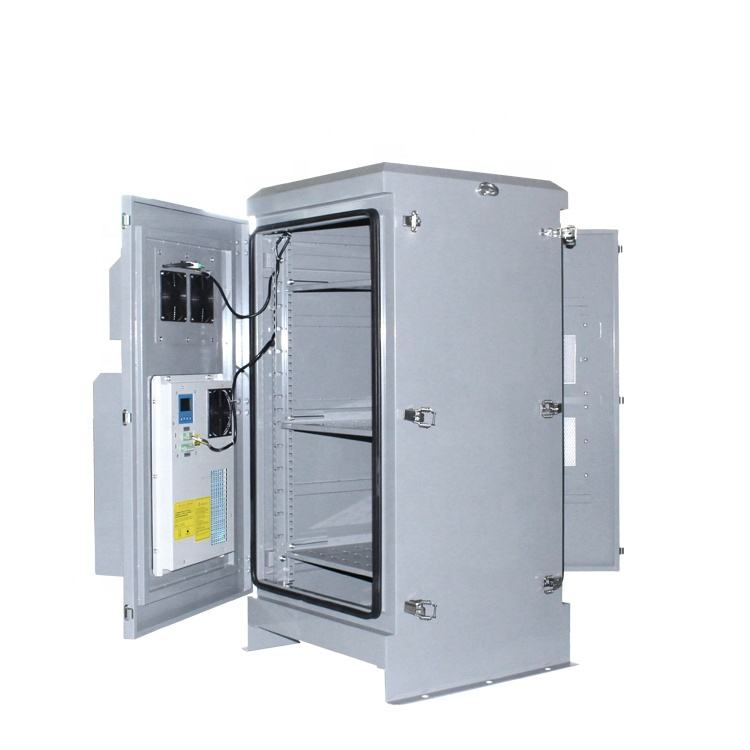
An outdoor projector cabinet serves as the protective foundation for your outdoor entertainment system, safeguarding sensitive projection equipment from weather, temperature fluctuations, and environmental damage. The longevity of your outdoor projector cabinet depends almost entirely on the materials used in its construction, the quality of weatherproofing, and how well those materials resist corrosion, UV exposure, and moisture. Investing in an outdoor projector cabinet built from premium materials means fewer repairs, extended equipment lifespan, and consistent performance across seasons. Understanding which materials provide the best protection is essential for any outdoor installation.
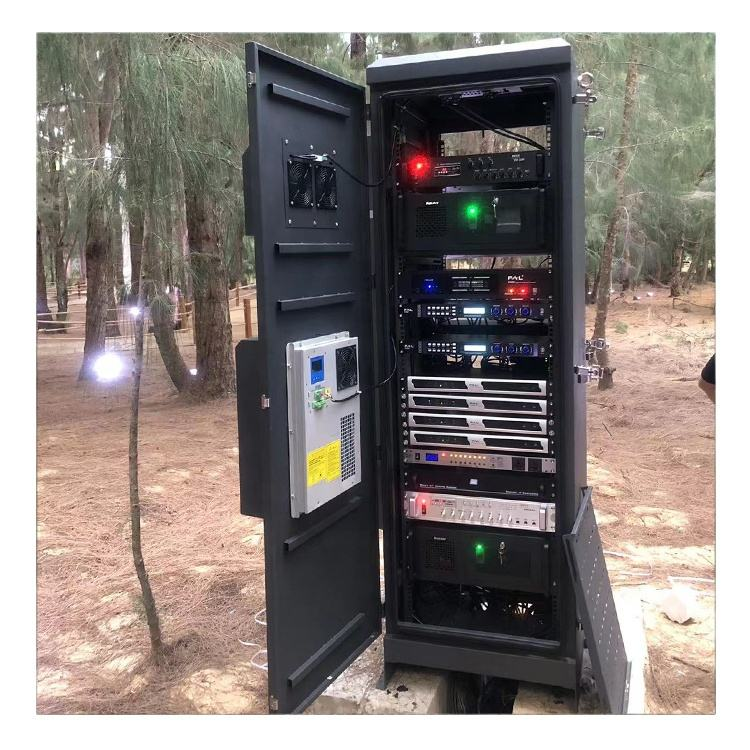
Weather exposure is the primary enemy of outdoor projection equipment. Rain, snow, humidity, salt spray, and intense UV radiation all work together to degrade materials over time. An outdoor projector cabinet must be engineered to withstand these forces while maintaining internal climate stability. The right material selection determines whether your outdoor projector cabinet remains functional for five, ten, or even fifteen years. This guide explores the specific materials and construction methods that ensure your outdoor projector cabinet achieves maximum durability and reliability.
Stainless Steel: The Premium Choice for Long-Term Protection
Why Stainless Steel Dominates Outdoor Projector Cabinet Construction
Stainless steel stands as the gold standard material for outdoor projector cabinet applications because of its inherent corrosion resistance and structural integrity. Unlike standard steel, stainless steel contains chromium and nickel, which form a passive oxide layer that prevents rust and oxidation even in harsh environments. When you choose an outdoor projector cabinet made from stainless steel, you are selecting a material that naturally resists salt spray, acidic rain, and prolonged moisture exposure. This resistance translates directly into reduced maintenance, fewer protective coatings needed, and exceptional longevity compared to alternative materials.
Performance Grades and Environmental Suitability
Not all stainless steel performs equally in outdoor projector cabinet applications. Grade 304 stainless steel offers excellent corrosion resistance in most climates and is commonly used in coastal and humid regions. Grade 316 stainless steel, sometimes called 'marine grade,' provides superior resistance to chloride environments and salt spray, making it ideal for seaside installations of an outdoor projector cabinet. The investment in higher-grade stainless steel pays dividends over time through extended service life and reduced replacement costs. An outdoor projector cabinet fabricated from marine-grade stainless steel maintains its structural integrity and appearance for fifteen years or more with minimal degradation.
Aluminum Alloys: Lightweight Durability for Diverse Climates
Advantages of Aluminum in Outdoor Projector Cabinet Design
Aluminum offers a practical alternative for outdoor projector cabinet installations where weight considerations matter or where moderate corrosion resistance suffices. Pure aluminum naturally develops an aluminum oxide layer that provides inherent corrosion protection, though this layer is thinner than the passive layer found in stainless steel. Aluminum alloys used in outdoor projector cabinet construction, such as 6061 or 5083 grade, enhance this natural protection through careful alloying and surface treatment. The lightweight nature of an outdoor projector cabinet made from aluminum simplifies installation and reduces mounting stress on building structures, while still delivering strong corrosion resistance in most temperate and humid environments.
Anodizing and Protective Coatings for Enhanced Durability
To maximize the protective capabilities of an outdoor projector cabinet constructed from aluminum, manufacturers apply anodizing, a process that thickens and hardens the aluminum oxide layer through electrochemical treatment. Anodizing creates a barrier that dramatically improves resistance to saltwater, acidic rain, and UV exposure. Type III hard anodizing, also called hardcoat anodizing, produces the most durable finish for outdoor projector cabinet applications, offering exceptional wear resistance and color retention. When you invest in an anodized aluminum outdoor projector cabinet, you receive enhanced longevity without the higher material cost of stainless steel, making it an economical choice for many installations.
Powder Coatings and Secondary Protection Systems
Polyester and Epoxy Coatings as Weather Barriers
Regardless of base material, the finish applied to an outdoor projector cabinet plays a critical role in determining overall durability. Polyester powder coatings provide excellent UV resistance, color retention, and glossy appearance, making them popular for outdoor projector cabinet finishes in standard climates. Epoxy-polyester hybrid coatings offer superior chemical and corrosion resistance, particularly valuable for industrial or coastal outdoor projector cabinet installations. Powder coatings adhere uniformly to the cabinet surface, eliminate gaps and thin spots present in liquid paints, and cure rapidly to form a hard, protective shell around your outdoor projector cabinet.
Multi-Layer Protection and Environmental Sealing
Premium outdoor projector cabinet designs incorporate multiple protection layers: a corrosion-resistant base material, an intermediate coating, and a weather-resistant finish layer. This three-tier approach ensures that even if the outer finish experiences scratches or small damage, the underlying layers continue to protect the outdoor projector cabinet structure. Gasket seals and weather stripping applied during assembly prevent moisture from infiltrating where components meet. Sealed drain holes and ventilation passages with water-diversion channels keep water from pooling inside the outdoor projector cabinet while allowing humidity management through controlled airflow.
FAQ
What is the typical lifespan of an outdoor projector cabinet made from stainless steel?
A well-constructed outdoor projector cabinet fabricated from marine-grade stainless steel typically lasts fifteen to twenty years or longer, even in harsh coastal or humid environments. The passive oxide layer that forms on stainless steel continuously self-heals when exposed to oxygen, making corrosion progression extremely slow. Proper maintenance, including occasional cleaning and inspection of seals, extends the outdoor projector cabinet lifespan even further. Some installations of premium outdoor projector cabinet systems have remained functional for two decades with minimal degradation.
Can an aluminum outdoor projector cabinet perform as well as stainless steel in saltwater environments?
Aluminum can perform adequately in saltwater environments when the outdoor projector cabinet receives marine-grade anodizing and high-quality polyester or epoxy-polyester coatings. However, stainless steel, particularly Grade 316 marine-grade, offers superior long-term performance in direct saltwater exposure. An anodized aluminum outdoor projector cabinet typically lasts ten to twelve years in saltwater climates, while a stainless steel outdoor projector cabinet may exceed fifteen years. The higher cost of stainless steel is often justified in marine installations due to reduced maintenance and longer replacement intervals.
How often should an outdoor projector cabinet be maintained to ensure maximum durability?
An outdoor projector cabinet benefits from twice-yearly maintenance, typically in spring and autumn, which includes cleaning debris, inspecting gaskets and seals, and checking for any signs of coating damage or corrosion. Light cleaning with mild soap and water removes salt residue, pollen, and environmental contaminants that might compromise the outdoor projector cabinet finish. Seals and gaskets should be inspected for cracks or hardening, especially after extended sun exposure, since damaged seals allow moisture into the outdoor projector cabinet. Regular maintenance takes only a few hours annually but significantly extends the effective lifespan of your outdoor projector cabinet.