
 EN
EN
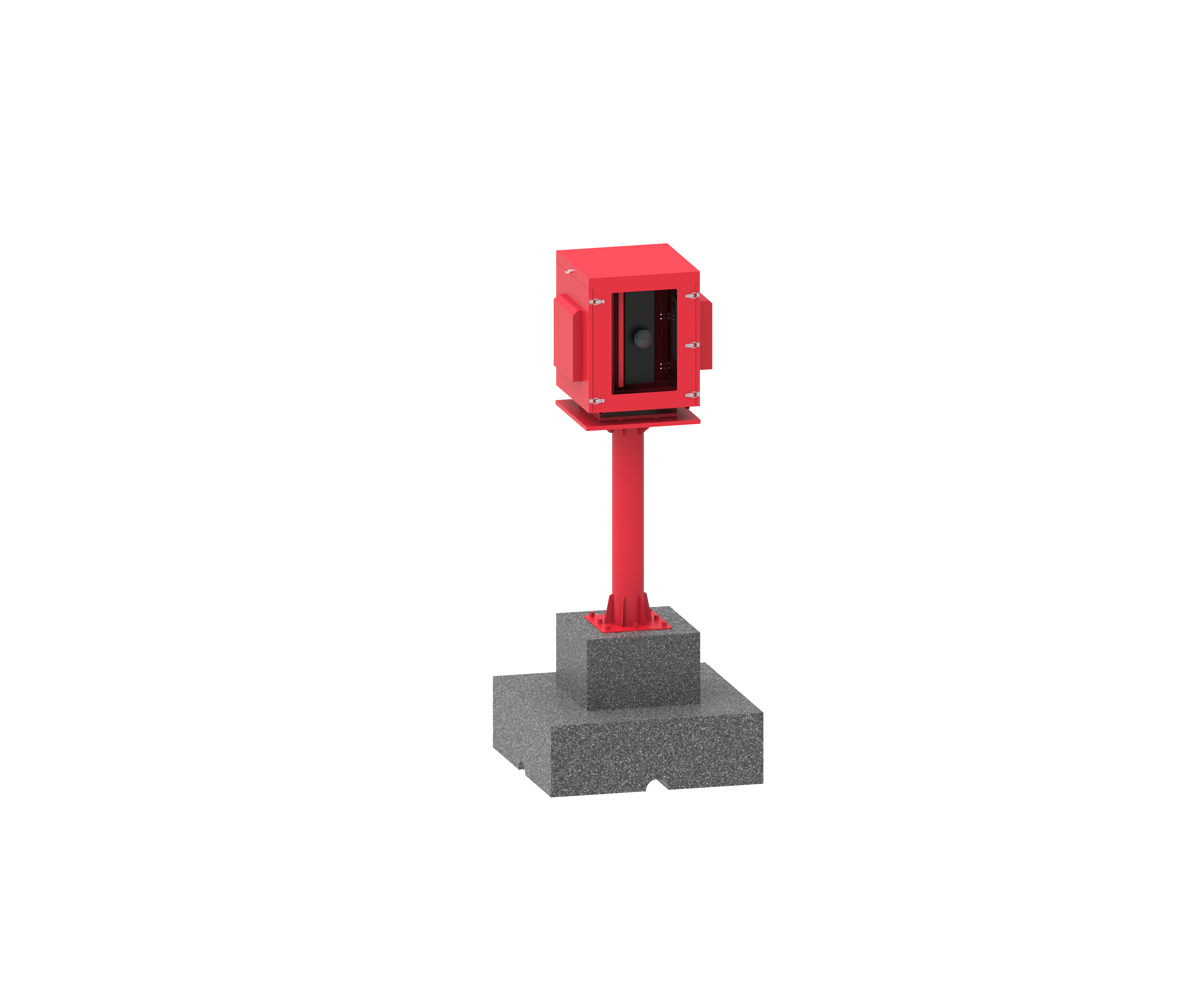
Selecting the right projector waterproof box is crucial for protecting expensive projection equipment in outdoor and industrial environments. A quality projector waterproof box shields your investment from moisture, dust, temperature fluctuations, and UV damage while maintaining consistent performance. Whether you operate in hospitality, construction, maritime, or outdoor advertising, understanding the essential features of a projector waterproof box ensures your equipment remains functional and protected for years to come.
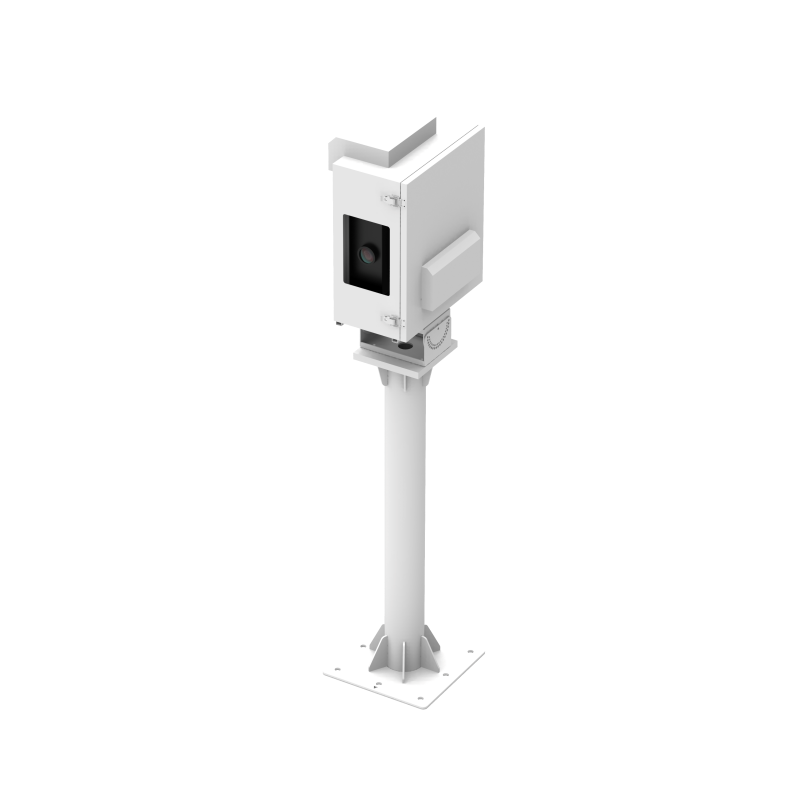
A well-designed projector waterproof box combines durability with thermal management, optical clarity, and ease of installation. The best solutions offer sealed enclosures that prevent water ingress while allowing proper ventilation for heat dissipation. This balance is essential because even waterproof designs can fail if internal temperatures exceed safe operating limits. Understanding what separates a basic projector waterproof box from an industrial-grade solution will help you make an informed purchase decision.
Water Resistance and Sealing Standards
IP Rating and Protection Level
The foundational feature of any projector waterproof box is its Ingress Protection rating. Look for an IP65 or higher rating, which guarantees protection against water jets from any direction and complete dust sealing. An IP65-rated projector waterproof box withstands sustained water spraying, coastal salt spray, and heavy rain without allowing moisture inside the housing. For marine or highly humid applications, consider IP67 or IP68 ratings that offer even greater water immersion protection. The projector waterproof box rating directly correlates to the environment where you plan to deploy equipment, so matching this specification to your actual conditions is non-negotiable.
Material Quality and Corrosion Resistance
The physical construction materials of a projector waterproof box determine how long it resists degradation. Aluminum alloy bodies with anodized coatings provide excellent corrosion resistance in coastal or chemically aggressive environments. Stainless steel components prevent rust and oxidation, while gasket materials like EPDM or silicone create reliable seals that remain flexible across temperature ranges. When evaluating a projector waterproof box, inspect not just the housing material but also fasteners, hinges, and cable glands, as these smaller components often become failure points. High-quality gasket materials and weather-sealed connectors in your projector waterproof box prevent water migration through attachment points.
Thermal Management and Climate Control
Active Cooling Systems
A projector waterproof box must balance sealing against environmental factors with active heat removal. Modern solutions incorporate liquid cooling systems or integrated air conditioning units that maintain safe internal temperatures even in direct sunlight or high-ambient environments. Active cooling within a projector waterproof box ensures the internal temperature remains within the equipment manufacturer's specifications, typically 0 to 35 degrees Celsius for most commercial projectors. Without proper thermal management, a projector waterproof box becomes a heat trap that shortens lamp life, reduces brightness output, and can cause permanent damage. The cooling system selected for your projector waterproof box should be proportionate to the enclosure size and the ambient heat load it will face.
Passive Ventilation Design
Even when active cooling is present, passive ventilation design in a projector waterproof box optimizes airflow efficiency. The projector waterproof box should incorporate thermally efficient venting that allows heat escape while maintaining water resistance through filtered ports or baffle systems. Smart intake and exhaust placement within the projector waterproof box creates natural convection, reducing strain on active cooling components and improving energy efficiency. Removable or cleanable filters in these passive ventilation points prevent dust accumulation inside the projector waterproof box, which would degrade cooling effectiveness over time.
Optical Performance and Installation Features
Lens Protection and Image Clarity
The optical window of a projector waterproof box must provide crystal-clear image transmission while maintaining complete water protection. High-quality optical-grade acrylic or polycarbonate panels in the projector waterproof box prevent distortion, UV degradation, and condensation buildup that obscures the projected image. Anti-reflective coatings on the front panel of a projector waterproof box minimize light loss and glare that would otherwise wash out the projection in bright conditions. The optical design of your projector waterproof box directly affects perceived image quality, so this feature should not be overlooked or compromised for cost savings.
Mounting Flexibility and Access
A practical projector waterproof box accommodates various mounting orientations and includes accessible cable entry points for installation flexibility. Quick-release brackets, adjustable mounting plates, and integrated rigging points within the projector waterproof box simplify deployment on poles, building facades, or overhead structures. Cable management inside the projector waterproof box, including sealed gland routing for power, signal, and network connections, prevents tangled wiring and reduces maintenance time. The projector waterproof box design should allow technicians to access internal components for maintenance without requiring complete disassembly or compromising the seal. Hinged or removable panels in a projector waterproof box improve serviceability while maintaining structural integrity.
Additional Considerations for Durability and Value
Impact Resistance and Field Durability
Beyond waterproofing, a projector waterproof box should withstand physical shocks from transport, installation, and accidental impacts. Reinforced corner bracing and shock-absorbing mounts within the projector waterproof box protect equipment during handling. The structural integrity of a projector waterproof box determines how well it survives the real-world conditions of outdoor venues, temporary events, and industrial facilities where equipment moves frequently. Impact-resistant designs ensure your investment in the projector waterproof box remains protected throughout its operational lifespan.
Integration with Control Systems
Modern commercial applications require a projector waterproof box that integrates with remote monitoring and control systems. Features like built-in temperature sensors, humidity monitoring, and network connectivity within the projector waterproof box allow preventive maintenance and early warning of environmental stress. A projector waterproof box equipped with data logging capabilities helps facility managers track equipment health and optimize climate control settings. These smart features transform your projector waterproof box from passive protection into an active part of your asset management strategy. When comparing projector waterproof box options, prioritize those offering seamless integration with your existing facility management infrastructure, particularly if you operate multiple outdoor projection sites that require centralized oversight.
FAQ
What is the difference between IP65 and IP67 ratings for a projector waterproof box?
IP65 provides protection against water jets from any direction and complete dust sealing, making it suitable for most outdoor environments. IP67 adds immersion protection for temporary submersion up to one meter for 30 minutes, offering greater resilience in coastal or flood-prone areas. An IP65-rated projector waterproof box suffices for typical outdoor projection scenarios, while IP67 is recommended for maritime installations or locations prone to water pooling around equipment bases.
How often should filters be cleaned in a projector waterproof box with cooling systems?
Filter maintenance intervals depend on environmental conditions, but most installations benefit from quarterly cleaning in typical outdoor settings and monthly cleaning in dusty or industrial environments. A dirty filter inside a projector waterproof box reduces cooling efficiency and can cause thermal shutdowns, so regular inspection prevents performance degradation. Establishing a preventive maintenance schedule ensures your projector waterproof box continues protecting equipment effectively and maintains consistent image brightness throughout its operational life.
Can a projector waterproof box handle direct sunlight exposure all day?
A projector waterproof box with active liquid cooling and thermal management can handle extended direct sunlight by maintaining safe internal operating temperatures. Without active cooling, passive ventilation alone may not dissipate enough heat in full-sun conditions, potentially causing equipment damage. Selecting a projector waterproof box with appropriate cooling capacity for your climate ensures reliable operation even during peak heat conditions. UV-resistant materials in the projector waterproof box housing also prevent degradation of seals and optical components over time.