
 EN
EN
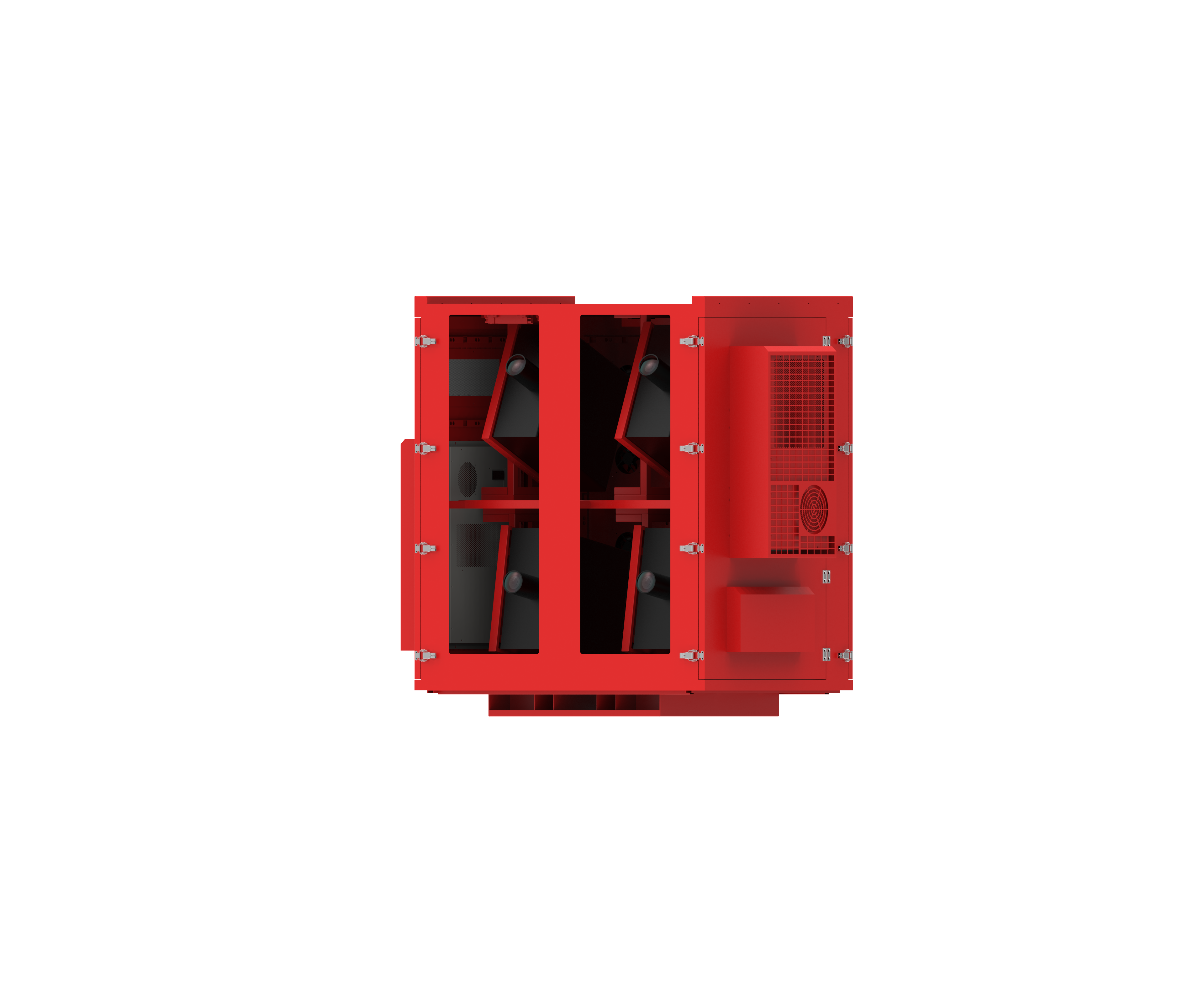
When protecting sensitive electronic equipment in demanding environments, understanding the essential safety features of a multi-proof case becomes critical for preventing catastrophic failures and ensuring operational continuity. These specialized protective enclosures must withstand multiple environmental threats simultaneously, from extreme weather conditions to physical impacts, making the selection of appropriate safety features a paramount concern for industrial applications.
The effectiveness of a multi-proof case depends entirely on how well its safety features address real-world hazards that could compromise equipment integrity. From waterproofing mechanisms to thermal management systems, each safety component must work synergistically to create an impenetrable barrier against environmental and operational threats that could result in equipment damage, data loss, or safety incidents.
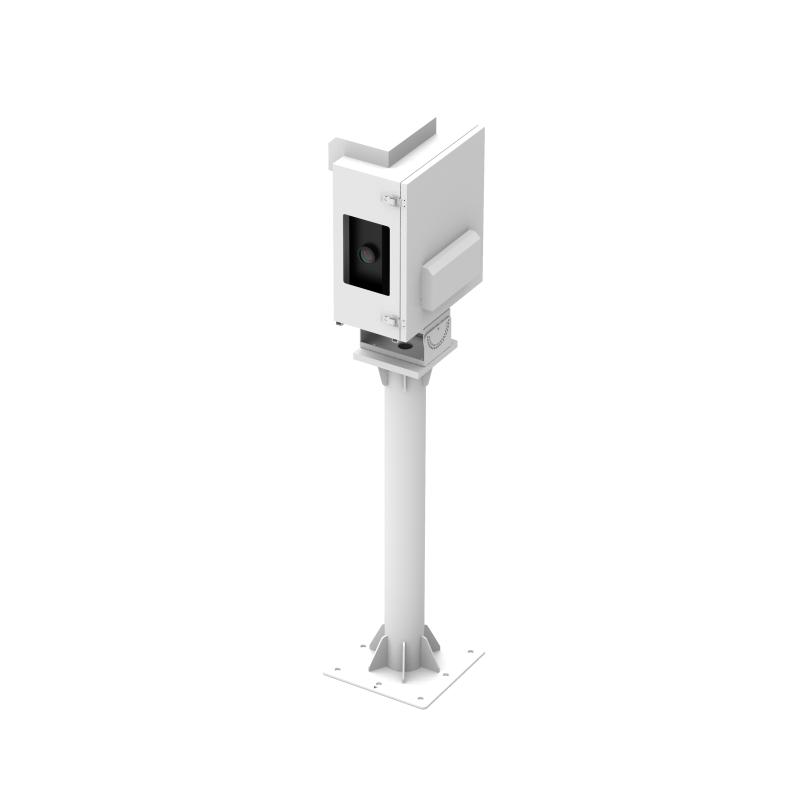
Environmental Protection Systems
Ingress Protection and Sealing Technology
The foundation of any reliable multi-proof case lies in its ability to prevent the ingress of harmful substances through advanced sealing technology. IP65 and IP67 ratings represent the minimum standards for industrial applications, ensuring complete protection against dust infiltration and water ingress from multiple directions. These ratings become particularly critical when the multi-proof case must operate in outdoor environments or industrial settings where exposure to particulates and moisture is constant.
Effective sealing systems in a multi-proof case utilize multiple barrier layers, including primary gaskets, secondary seals, and pressure equalization systems. The primary gasket typically consists of closed-cell foam or rubber compounds that maintain compression over extended periods, while secondary seals provide backup protection against catastrophic primary seal failure. Pressure equalization prevents internal vacuum formation during temperature changes, which could compromise seal integrity and allow contaminant ingress.
Advanced multi-proof case designs incorporate Gore-Tex membranes or equivalent breathable barriers that allow air pressure equalization while maintaining waterproof integrity. This technology prevents internal condensation buildup that could damage sensitive electronics, while simultaneously preventing external moisture infiltration even under severe weather conditions.
Temperature Management and Thermal Safety
Thermal management represents one of the most critical safety features in any multi-proof case, as temperature extremes can cause immediate equipment failure or long-term reliability degradation. Active cooling systems, including liquid cooling loops and integrated air conditioning units, maintain optimal operating temperatures even when external conditions exceed equipment specifications. These systems must operate reliably in the same harsh environments that threaten the protected equipment.
Passive thermal management features complement active systems by providing thermal mass and heat dissipation pathways that continue functioning even during active system failures. Heat sinks, thermal interface materials, and strategically placed ventilation paths ensure that critical components remain within safe operating ranges. The multi-proof case design must balance thermal performance with environmental protection, ensuring that cooling systems do not compromise ingress protection ratings.
Temperature monitoring and alarm systems provide early warning of thermal issues before they reach critical thresholds. These systems must integrate with both local and remote monitoring networks, enabling immediate response to temperature excursions that could threaten equipment safety. Redundant temperature sensors and fail-safe shutdown mechanisms ensure that protective actions occur even during monitoring system failures.
Structural Integrity and Impact Resistance
Material Selection and Construction Methods
The structural safety of a multi-proof case depends fundamentally on material selection that balances weight, durability, and environmental resistance. Aluminum alloys, stainless steel, and advanced composites each offer distinct advantages for specific applications, with material choice driving overall case performance under stress conditions. The multi-proof case must maintain structural integrity under both static loads and dynamic impact scenarios that could occur during transportation, installation, or operational incidents.
Welded construction methods provide superior strength compared to mechanical fastening, particularly in applications where the multi-proof case faces repeated thermal cycling or vibration exposure. Continuous welds eliminate potential failure points that could develop at discrete fastener locations, while also maintaining superior environmental sealing. However, welded construction must account for thermal expansion and contraction to prevent stress concentration that could lead to crack propagation over time.
Reinforcement strategies, including internal framework systems and strategic material thickness variations, distribute impact forces across the entire structure rather than concentrating stress at specific points. These design features ensure that the multi-proof case can withstand accidental impacts, deliberate tampering attempts, and environmental loading without compromising internal equipment protection.
Shock and Vibration Mitigation
Effective shock absorption systems within a multi-proof case protect sensitive equipment from both transportation-related impacts and operational vibrations that could cause component failure over time. Isolation mounting systems using elastomeric materials or mechanical dampers decouple protected equipment from case vibrations, preventing resonance conditions that could amplify destructive forces.
The frequency response characteristics of isolation systems must match the specific equipment being protected, as improper damping can actually amplify harmful vibrations rather than reducing them. Multi-stage isolation systems provide protection across broader frequency ranges, using different damping materials and mechanical configurations to address both high-frequency vibrations and low-frequency shock loads that a multi-proof case might encounter in service.
Vibration monitoring systems can detect excessive motion that might indicate mounting system degradation or external conditions that exceed design parameters. These monitoring capabilities enable predictive maintenance and early intervention before vibration levels reach equipment damage thresholds, extending both equipment life and operational reliability.
Security and Access Control Features
Physical Security Mechanisms
Physical security features in a multi-proof case must balance ease of authorized access with resistance to unauthorized entry attempts. Multi-point locking mechanisms distribute latch forces across the entire perimeter, preventing forced entry through single-point failures while maintaining reliable operation under environmental stress. These locking systems must function reliably after extended exposure to temperature extremes, moisture, and contamination that could interfere with mechanical operation.
Tamper detection systems provide immediate notification of unauthorized access attempts, enabling rapid security response before equipment compromise occurs. These systems must distinguish between legitimate access and tampering attempts, preventing false alarms while ensuring that actual security breaches trigger appropriate response protocols. Integration with broader security networks allows centralized monitoring of multiple multi-proof case installations across large facilities or distributed sites.
Hardened construction techniques, including drill-resistant materials and reinforced hinge mechanisms, provide passive resistance to common intrusion methods. The multi-proof case security level must match the value and sensitivity of protected equipment, with higher-security applications requiring more sophisticated protection measures that may include additional weight and complexity.
Electronic Access and Monitoring
Electronic access control systems enable selective entry authorization while maintaining detailed audit trails of all access events. Biometric scanners, proximity card readers, and keypad entry systems can be integrated into multi-proof case designs without compromising environmental protection ratings. These systems must operate reliably in the same harsh conditions that threaten the protected equipment, requiring appropriate environmental protection for electronic components.
Remote monitoring capabilities allow real-time status verification without requiring physical presence at each multi-proof case location. Network connectivity enables integration with facility management systems, providing centralized visibility into case status, environmental conditions, and security events. These communication systems must maintain reliability even during adverse conditions that might affect primary network infrastructure.
Backup power systems ensure that security and monitoring functions continue operating during external power failures that could create vulnerability windows. Battery backup systems must provide sufficient runtime to maintain protection during extended outages, while also supporting critical safety functions like thermal management during emergency conditions.
Maintenance and Serviceability Considerations
Accessibility and Service Interface Design
Effective maintenance access design in a multi-proof case ensures that routine service operations can be performed safely without compromising environmental protection or security features. Hinged panels, removable sections, and service ports must maintain seal integrity throughout their operational life, requiring robust design that accounts for repeated use under field conditions. The balance between accessibility and protection determines long-term reliability and operational costs.
Service interface design must accommodate the specific maintenance requirements of protected equipment while maintaining the integrity of the multi-proof case environmental barriers. Quick-disconnect fittings for cooling systems, modular component mounting, and clear service procedures reduce maintenance time and minimize exposure risks during service operations. These design features become particularly important in harsh environments where extended maintenance exposure could threaten both equipment and personnel safety.
Documentation and labeling systems within the multi-proof case ensure that maintenance personnel can quickly identify components, service points, and safety procedures without compromising operational safety. Clear visual indicators for system status, service requirements, and safety warnings reduce the likelihood of maintenance errors that could compromise protection effectiveness or create safety hazards.
Predictive Maintenance Integration
Modern multi-proof case designs incorporate sensors and monitoring systems that enable predictive maintenance strategies, identifying potential failures before they compromise equipment protection. Seal condition monitoring, structural stress measurement, and environmental system performance tracking provide early warning of degradation that could lead to protection failures if not addressed promptly.
Data logging capabilities preserve historical performance information that enables trend analysis and failure prediction modeling. This information helps optimize maintenance schedules, reduce unnecessary service interventions, and identify design improvements for future multi-proof case installations. Integration with computerized maintenance management systems automates many monitoring and scheduling functions, reducing administrative burden while improving maintenance effectiveness.
Remote diagnostic capabilities enable expert support without requiring specialized personnel at every installation site. Video communication, remote sensor access, and guided troubleshooting procedures extend expert knowledge to distributed installations, improving service quality while reducing response time and travel costs for specialized maintenance operations.
FAQ
How do I determine the required IP rating for my multi-proof case application?
The required IP rating depends on your specific environmental conditions and equipment sensitivity. IP65 provides protection against dust and water jets from any direction, suitable for most outdoor applications. IP67 offers submersion protection up to 1 meter depth, necessary for applications with potential flooding or wash-down requirements. Consider both current conditions and potential future exposure scenarios when selecting your multi-proof case rating.
What cooling capacity should I specify for my multi-proof case thermal management system?
Cooling capacity requirements depend on internal heat generation, ambient temperature conditions, and acceptable operating temperature ranges for your equipment. Calculate total heat load including equipment power consumption, solar heating effects, and thermal losses through case walls. Add 25-50% safety margin to account for degradation over time and peak load conditions. Consult thermal analysis tools or specialists for complex installations with multiple heat sources.
How often should multi-proof case seals and gaskets be inspected or replaced?
Inspection frequency depends on environmental severity and seal material properties, typically ranging from quarterly visual inspections in harsh conditions to annual comprehensive inspections in moderate environments. Replace seals when visual degradation, compression set, or leak testing indicates compromised performance. Establish replacement schedules based on manufacturer recommendations and actual field experience, typically every 3-7 years depending on conditions and seal quality.
Can a multi-proof case provide adequate protection for equipment requiring clean room conditions?
Standard multi-proof case designs typically cannot achieve clean room particle count specifications without additional filtration systems. However, specialized designs can incorporate HEPA filtration, positive pressure systems, and contamination monitoring to approach clean room conditions. Consider the specific cleanliness class requirements, maintenance accessibility, and cost implications when evaluating clean room compatibility for your multi-proof case application.
Table of Contents
- Environmental Protection Systems
- Structural Integrity and Impact Resistance
- Security and Access Control Features
- Maintenance and Serviceability Considerations
-
FAQ
- How do I determine the required IP rating for my multi-proof case application?
- What cooling capacity should I specify for my multi-proof case thermal management system?
- How often should multi-proof case seals and gaskets be inspected or replaced?
- Can a multi-proof case provide adequate protection for equipment requiring clean room conditions?