
 EN
EN
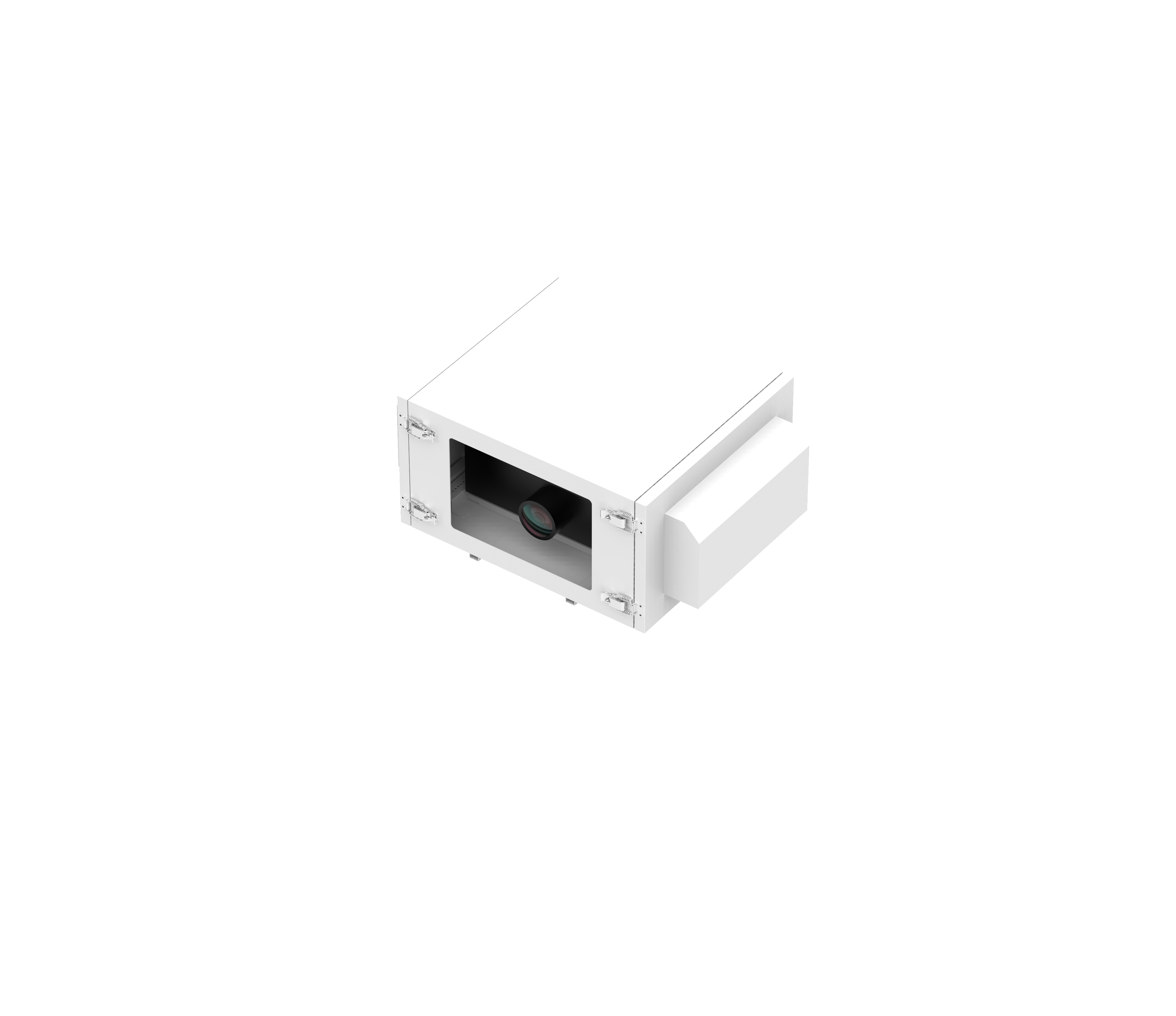
An outdoor projector cabinet serves as a critical protective housing that enables reliable projection equipment operation in challenging environmental conditions. These specialized enclosures address fundamental concerns about weather exposure, temperature fluctuations, dust infiltration, and security threats that can compromise expensive projection systems installed in outdoor venues, stadiums, entertainment districts, and commercial facilities.
Understanding the essential features of an outdoor projector cabinet becomes crucial for facility managers, AV integrators, and venue operators who need to ensure continuous projection performance while protecting substantial equipment investments. The right combination of weatherproofing, thermal management, security provisions, and accessibility features determines whether an outdoor projection installation will deliver reliable service or face frequent failures and costly maintenance issues.
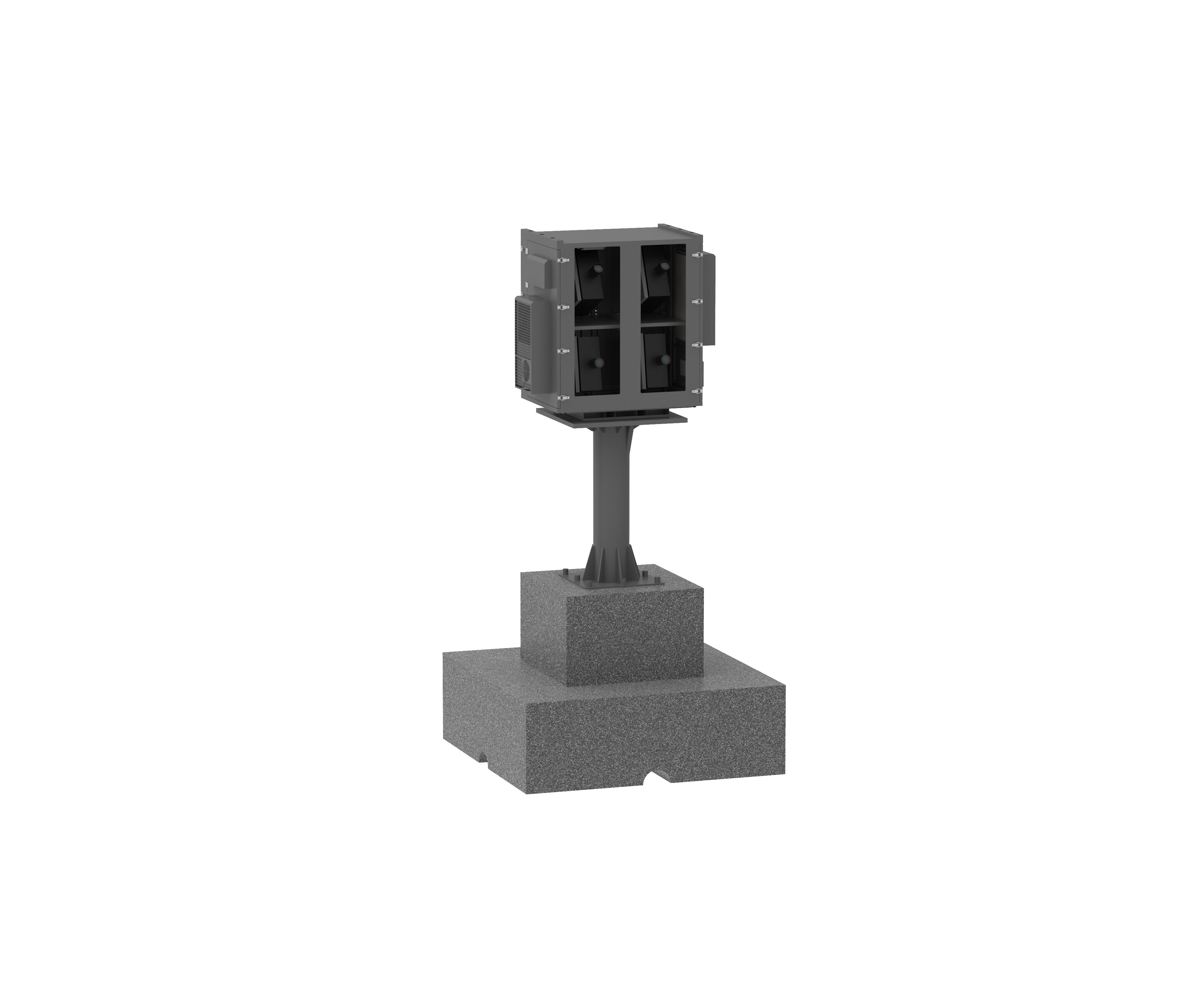
Weather Protection and Environmental Sealing
Ingress Protection Rating Requirements
The fundamental feature of any effective outdoor projector cabinet lies in its ability to prevent water and particle infiltration through proper ingress protection ratings. Professional-grade outdoor projector cabinet installations typically require IP65 or higher ratings, ensuring complete protection against dust ingress and resistance to water jets from any direction. This level of protection becomes essential when projection equipment operates in coastal environments, regions with heavy precipitation, or areas prone to windborne debris.
Advanced sealing systems incorporate multiple barrier layers including weather stripping, gasket seals, and drainage channels that redirect moisture away from critical components. The cabinet design must account for thermal expansion and contraction cycles that can compromise seal integrity over time, requiring materials and construction methods that maintain protective barriers across temperature ranges.
Corrosion Resistance and Material Selection
Material composition directly impacts the long-term durability and protective capability of an outdoor projector cabinet system. Aluminum alloy construction with appropriate surface treatments provides optimal strength-to-weight ratios while resisting corrosion in marine environments, industrial settings, and urban installations where pollutants accelerate material degradation.
Stainless steel components in critical areas such as hinges, latches, and mounting hardware ensure operational reliability over extended service periods. The cabinet finish must resist UV degradation, thermal cycling stress, and chemical exposure while maintaining protective properties and aesthetic appearance throughout the installation lifecycle.
Thermal Management and Climate Control
Active Cooling System Integration
Effective thermal management represents a critical feature that distinguishes professional outdoor projector cabinet solutions from basic protective enclosures. High-performance projection equipment generates substantial heat loads that require active cooling systems to maintain optimal operating temperatures and prevent thermal shutdown events that disrupt venue operations.
Integrated cooling systems within an outdoor projector cabinet typically incorporate variable-speed fans, heat exchangers, and intelligent temperature monitoring that adjusts cooling capacity based on ambient conditions and projector load requirements. These systems must operate reliably across extreme temperature ranges while maintaining acceptable noise levels for audience areas.
Heating Elements for Cold Weather Operation
Cold weather operation requires heating elements that prevent condensation formation and maintain projector operating temperatures in sub-freezing conditions. An outdoor projector cabinet designed for year-round operation incorporates thermostatically controlled heating systems that activate automatically when internal temperatures approach critical thresholds.
Heating system design must account for rapid temperature changes during startup sequences while preventing hot spots that could damage sensitive projection components. Energy-efficient heating elements with precise temperature control ensure reliable cold weather operation without excessive power consumption that impacts overall facility operating costs.
Security Features and Access Control
Physical Security and Tamper Resistance
Security provisions within an outdoor projector cabinet must address both opportunistic theft and sophisticated attack attempts targeting valuable projection equipment. Robust locking mechanisms, reinforced construction, and tamper-evident features provide multiple layers of protection that deter unauthorized access while enabling legitimate maintenance operations.
High-security lock cylinders with restricted key systems prevent unauthorized duplication while providing controlled access for maintenance personnel. Reinforced door construction and concealed hinge systems eliminate external attack points that could compromise cabinet security during unattended periods.
Monitoring and Alarm Integration
Modern outdoor projector cabinet installations incorporate electronic monitoring systems that detect unauthorized access attempts, environmental anomalies, and equipment failures. Integrated alarm systems with remote notification capabilities enable immediate response to security breaches or operational issues that threaten projection system reliability.
Sensor networks within the cabinet monitor door position, internal temperature, humidity levels, and vibration signatures that indicate potential security or operational concerns. These monitoring systems integrate with facility management platforms to provide centralized oversight and automated response protocols.
Accessibility and Maintenance Considerations
Service Access and Equipment Accessibility
Practical maintenance requirements demand that an outdoor projector cabinet provide convenient access for routine service operations, component replacement, and system upgrades. Well-designed access panels, removable sections, and service platforms enable technicians to perform maintenance tasks efficiently without compromising weather protection or security features.
Internal layout optimization ensures that critical components remain accessible for inspection and service while maintaining proper airflow patterns and cable management. Modular internal structures accommodate different projector models and configuration changes without requiring complete cabinet replacement during equipment upgrades.
Cable Management and Connection Systems
Professional cable management features within an outdoor projector cabinet ensure reliable signal transmission while protecting connection integrity from environmental exposure. Sealed cable entry systems with strain relief provisions prevent water infiltration and mechanical stress that can cause intermittent failures or complete signal loss.
Internal cable routing systems organize power, data, and control connections to prevent interference while enabling service access. Removable cable management panels and labeled connection points facilitate troubleshooting and configuration changes during system maintenance or expansion projects.
Ventilation and Airflow Design
Natural Ventilation Optimization
Effective ventilation design within an outdoor projector cabinet balances thermal management requirements with weather protection needs through carefully engineered airflow patterns. Natural convection systems reduce energy consumption while providing adequate cooling during moderate operating conditions, supplementing active cooling systems during peak thermal loads.
Ventilation inlet and outlet positioning creates optimal airflow paths that remove heat from critical components while preventing rain infiltration and debris accumulation. Adjustable louvers and dampers enable seasonal optimization of ventilation rates based on changing environmental conditions and projector usage patterns.
Filtration and Air Quality Management
Air filtration systems protect projection equipment from dust, pollen, and airborne contaminants that can degrade optical performance and accelerate component wear. Multi-stage filtration with replaceable elements ensures long-term protection while maintaining adequate airflow for thermal management requirements.
Filter monitoring systems indicate when replacement becomes necessary to maintain protection levels and prevent restriction of cooling airflow. Accessible filter locations enable routine maintenance without disrupting projection operations or compromising environmental sealing of the outdoor projector cabinet system.
FAQ
What IP rating should I look for in an outdoor projector cabinet?
Look for IP65 or higher ratings to ensure complete dust protection and water resistance from jets or heavy rain. IP66 ratings provide additional protection against powerful water jets, while IP67 ratings offer temporary immersion protection for extreme weather conditions.
How important is cooling system redundancy in outdoor projector cabinets?
Cooling system redundancy is critical for mission-critical installations where projection downtime creates significant operational or financial impact. Dual cooling systems with automatic failover ensure continuous operation even if primary cooling components fail during peak thermal conditions.
Can outdoor projector cabinets accommodate different projector sizes and models?
Quality outdoor projector cabinets feature modular internal mounting systems that accommodate various projector sizes and models. Adjustable mounting platforms and configurable internal layouts enable equipment changes without requiring complete cabinet replacement during technology upgrades.
What maintenance schedule should I follow for outdoor projector cabinet systems?
Establish quarterly inspections for seals, filters, and cooling systems, with annual comprehensive service including lubrication of mechanical components and testing of all environmental monitoring systems. More frequent inspections may be necessary in harsh coastal or industrial environments where accelerated wear occurs.
Table of Contents
- Weather Protection and Environmental Sealing
- Thermal Management and Climate Control
- Security Features and Access Control
- Accessibility and Maintenance Considerations
- Ventilation and Airflow Design
-
FAQ
- What IP rating should I look for in an outdoor projector cabinet?
- How important is cooling system redundancy in outdoor projector cabinets?
- Can outdoor projector cabinets accommodate different projector sizes and models?
- What maintenance schedule should I follow for outdoor projector cabinet systems?