
 EN
EN
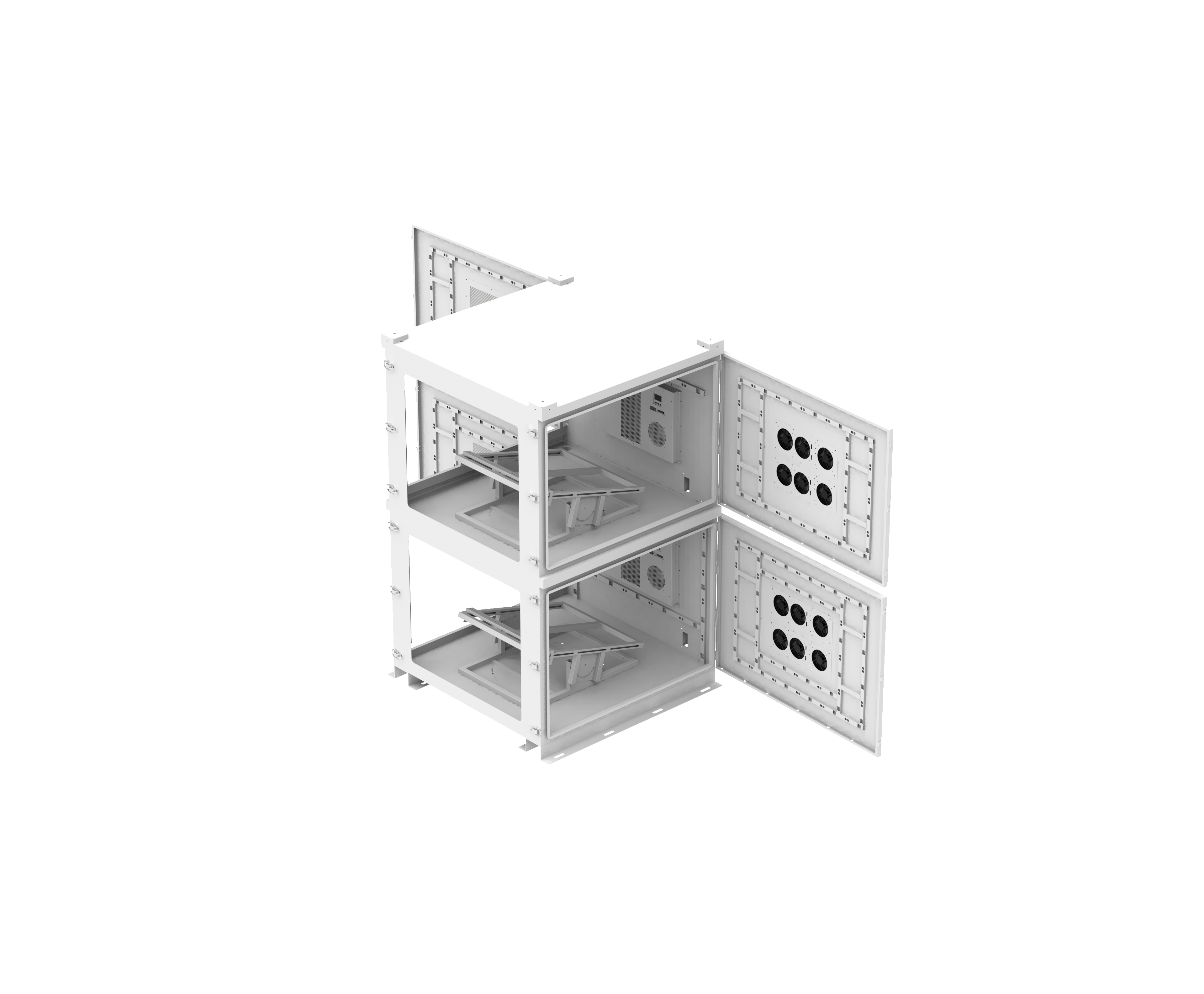
Selecting the right protection for outdoor projection equipment requires careful consideration of environmental challenges and operational demands. An outdoor projector cabinet with ventilation options represents a critical investment for businesses, educational institutions, and entertainment venues that rely on consistent outdoor display performance. The decision to incorporate proper ventilation systems into protective enclosures directly impacts equipment longevity, operational reliability, and total cost of ownership.
Understanding why ventilation options matter in outdoor projection applications involves examining the complex relationship between thermal management, equipment protection, and operational efficiency. Modern projection technology generates substantial heat during operation, and without adequate cooling mechanisms, this thermal energy can severely compromise performance and accelerate component degradation. The choice to invest in ventilated enclosure solutions addresses fundamental operational requirements while providing measurable business benefits across multiple dimensions of equipment management.
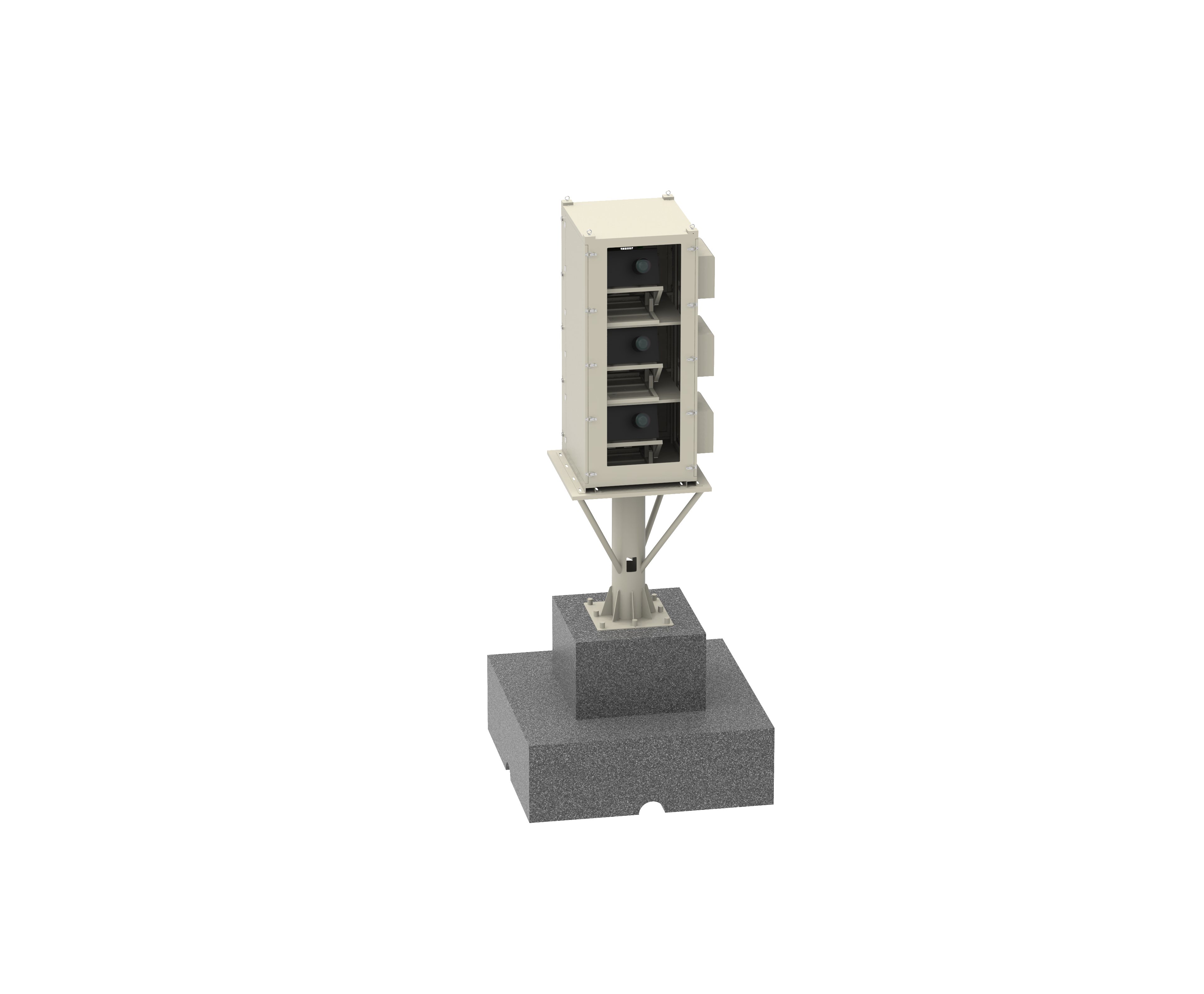
Thermal Management and Equipment Longevity
Heat Generation in Modern Projectors
Contemporary projectors generate significant thermal energy through their high-intensity light sources and processing components. LED and laser projectors, while more efficient than traditional lamp-based systems, still produce substantial heat that must be effectively managed to maintain optimal performance. The internal temperature of an outdoor projector cabinet can quickly exceed safe operating parameters without proper ventilation systems, leading to automatic shutdowns and reduced component lifespan.
The thermal load increases significantly in outdoor environments where ambient temperatures fluctuate throughout the day and seasonal variations create additional cooling challenges. Solar radiation adds external heat gain to the enclosure, compounding the internal heat generation from projection equipment. Professional-grade projectors typically operate within specific temperature ranges, and exceeding these parameters triggers protective measures that interrupt normal operation.
Effective thermal management through ventilation options prevents temperature-related failures and maintains consistent brightness and color accuracy. The relationship between operating temperature and component degradation follows predictable patterns, with elevated temperatures accelerating wear on critical components including light sources, cooling fans, and electronic circuits. Strategic ventilation design addresses these thermal challenges while maintaining the protective integrity of the outdoor projector cabinet.
Component Protection and Performance Optimization
Ventilation systems in outdoor projector cabinets serve dual purposes of active cooling and moisture management. Proper airflow patterns prevent condensation buildup that can damage sensitive electronic components and optical elements. The circulation of filtered air maintains optimal internal conditions while preventing dust accumulation on critical surfaces including lens assemblies and cooling pathways.
Advanced ventilation designs incorporate intelligent temperature monitoring and adaptive cooling responses that adjust airflow based on real-time thermal conditions. These systems maintain equipment within optimal operating parameters regardless of external weather conditions or seasonal temperature variations. The integration of temperature sensors and automated controls ensures consistent cooling performance without manual intervention.
The protective benefits extend beyond temperature control to include humidity management and air quality maintenance. Controlled ventilation prevents the formation of internal microclimates that promote corrosion or biological growth. The continuous circulation of filtered air maintains clean internal conditions that support long-term reliability and optimal optical performance.
Operational Reliability and Business Continuity
Performance Consistency Across Environmental Conditions
Outdoor projection applications demand consistent performance regardless of weather conditions, seasonal changes, or daily temperature fluctuations. An outdoor projector cabinet equipped with appropriate ventilation options maintains stable internal conditions that support reliable operation throughout varying environmental challenges. This consistency proves essential for commercial applications, educational presentations, and entertainment venues where equipment failures create significant operational disruptions.
The ability to maintain optimal operating temperatures directly correlates with projection quality and system reliability. Temperature-sensitive components including image processors, cooling systems, and optical elements perform most effectively within narrow temperature ranges. Ventilation systems ensure these components remain within specification limits, preventing thermal throttling that reduces brightness and image quality.
Seasonal temperature variations create particular challenges for outdoor projection equipment. Summer heat combined with solar radiation can create extreme thermal conditions inside unventilated enclosures, while winter cold can affect startup performance and component flexibility. Properly designed ventilation systems address both extremes, maintaining consistent internal conditions that support year-round operation without seasonal performance degradation.
Automated Protection and System Monitoring
Modern outdoor projector cabinet ventilation systems incorporate intelligent monitoring and automated protection features that respond to changing conditions without manual intervention. Temperature sensors, humidity monitors, and airflow indicators provide real-time feedback that enables predictive maintenance and proactive system management. These monitoring capabilities prevent equipment failures before they occur and optimize cooling efficiency based on actual operating conditions.
The integration of smart controls allows remote monitoring and adjustment of ventilation parameters through network connections. Facility managers can track internal conditions, adjust cooling profiles, and receive alerts when parameters approach critical thresholds. This connectivity enables proactive maintenance scheduling and reduces the need for on-site inspections in challenging outdoor environments.
Automated protection systems provide multiple layers of safety including temperature-based fan speed adjustment, emergency shutdown procedures, and fault detection protocols. These systems protect valuable projection equipment from thermal damage while maintaining optimal performance during normal operation. The combination of monitoring and protection creates reliable outdoor projection solutions that operate independently with minimal maintenance requirements.
Energy Efficiency and Cost Management
Optimized Cooling Performance
Strategic ventilation design in outdoor projector cabinet applications balances cooling effectiveness with energy consumption to achieve optimal operational efficiency. Modern ventilation systems utilize variable-speed fans, intelligent controls, and adaptive cooling algorithms that adjust cooling capacity based on real-time thermal loads. This approach minimizes energy consumption while maintaining adequate cooling performance across varying environmental conditions.
The selection of high-efficiency cooling components and optimized airflow patterns reduces overall power requirements compared to basic ventilation approaches. Energy-efficient fans, smart controllers, and thermal management algorithms work together to provide necessary cooling with minimal electrical consumption. This efficiency translates directly into reduced operating costs and improved environmental sustainability for outdoor projection installations.
Advanced ventilation designs incorporate heat recovery and thermal optimization strategies that maximize cooling efficiency. Strategic placement of intake and exhaust vents creates natural convection patterns that supplement mechanical cooling. The combination of passive and active cooling elements reduces overall energy requirements while maintaining consistent internal temperatures throughout changing external conditions.
Long-term Cost Benefits
The initial investment in ventilated outdoor projector cabinet solutions generates substantial long-term cost savings through extended equipment life, reduced maintenance requirements, and improved operational reliability. Proper thermal management prevents premature component failures that would otherwise require expensive repairs or equipment replacement. The protection provided by effective ventilation systems extends the useful life of projection equipment significantly beyond what would be possible with basic enclosure solutions.
Maintenance cost reductions result from the protective benefits of controlled internal environments. Filtered ventilation prevents dust accumulation that would otherwise require frequent cleaning and component replacement. The stable temperature and humidity conditions reduce wear on mechanical components and prevent corrosion that could compromise long-term reliability. These protective benefits translate into lower maintenance frequency and reduced service costs over the equipment lifecycle.
Operational cost benefits extend beyond direct equipment protection to include improved energy efficiency and reduced downtime. Consistent cooling performance prevents thermal throttling that would otherwise increase power consumption or reduce projection output. The reliability provided by proper ventilation eliminates costly emergency repairs and maintains consistent service availability for critical applications.
Integration and Implementation Considerations
Design Flexibility and Customization Options
Outdoor projector cabinet ventilation systems offer extensive customization options that accommodate specific application requirements and environmental challenges. Modular designs allow precise matching of cooling capacity to equipment thermal loads while providing scalability for future expansion or equipment upgrades. The flexibility to configure intake and exhaust locations, fan speeds, and control parameters ensures optimal performance across diverse installation scenarios.
Environmental considerations including local climate conditions, seasonal temperature ranges, and exposure factors influence ventilation system design and specification. Coastal installations require corrosion-resistant materials and sealed filtration systems, while desert environments demand enhanced dust protection and high-temperature cooling capacity. The ability to customize ventilation solutions for specific environmental challenges ensures long-term reliability regardless of installation location.
Integration with existing infrastructure and control systems provides seamless operation within broader facility management frameworks. Network connectivity enables remote monitoring and control integration with building automation systems. The compatibility with standard communication protocols facilitates integration with existing maintenance management systems and operational procedures.
Installation and Maintenance Requirements
Professional installation of ventilated outdoor projector cabinet systems requires careful attention to airflow patterns, electrical connections, and environmental sealing. Proper positioning of intake and exhaust vents optimizes cooling efficiency while maintaining weather protection. The integration of power systems, control wiring, and monitoring connections follows established standards that ensure reliable long-term operation.
Maintenance procedures for ventilated enclosure systems focus on filter replacement, fan inspection, and monitoring system calibration. Scheduled maintenance intervals depend on environmental conditions and operating intensity, with more frequent attention required in dusty or corrosive environments. The accessibility of maintenance points and the availability of replacement components influence long-term operating costs and system reliability.
Training requirements for operational staff include basic troubleshooting procedures, routine maintenance tasks, and emergency response protocols. The complexity of modern ventilation systems necessitates adequate training to ensure proper operation and maintenance. Documentation and support resources provided by manufacturers facilitate effective system management and reduce operational risks associated with improper handling.
FAQ
How much does ventilation add to the cost of an outdoor projector cabinet?
Ventilation systems typically add 15-30% to the base cost of an outdoor projector cabinet, depending on cooling capacity requirements and control sophistication. However, this additional investment generates substantial cost savings through extended equipment life, reduced maintenance needs, and improved operational reliability. The payback period for ventilated systems generally ranges from 12-24 months based on equipment value and operational intensity.
What maintenance is required for ventilated outdoor projector cabinets?
Regular maintenance includes filter replacement every 3-6 months, fan inspection and cleaning annually, and calibration of temperature monitoring systems. Environmental conditions significantly influence maintenance frequency, with dusty or corrosive locations requiring more frequent attention. Most maintenance tasks can be performed by facility staff with basic training, though annual professional inspections are recommended for critical applications.
Can ventilation systems operate in extreme weather conditions?
Modern outdoor projector cabinet ventilation systems are designed to operate reliably in extreme weather conditions including high winds, heavy rain, and temperature extremes. Weather-resistant components, sealed electrical connections, and robust construction ensure continued operation during adverse conditions. Emergency shutdown procedures protect equipment during severe weather events while automatic restart capabilities restore normal operation when conditions improve.
Do ventilated cabinets require additional power connections?
Ventilated outdoor projector cabinet systems require dedicated power connections for fans, controllers, and monitoring equipment. Power requirements typically range from 200-800 watts depending on cooling capacity and control complexity. Most installations utilize standard electrical connections, though high-capacity systems may require upgraded power distribution. Energy-efficient designs minimize power consumption while maintaining effective cooling performance.