
 EN
EN
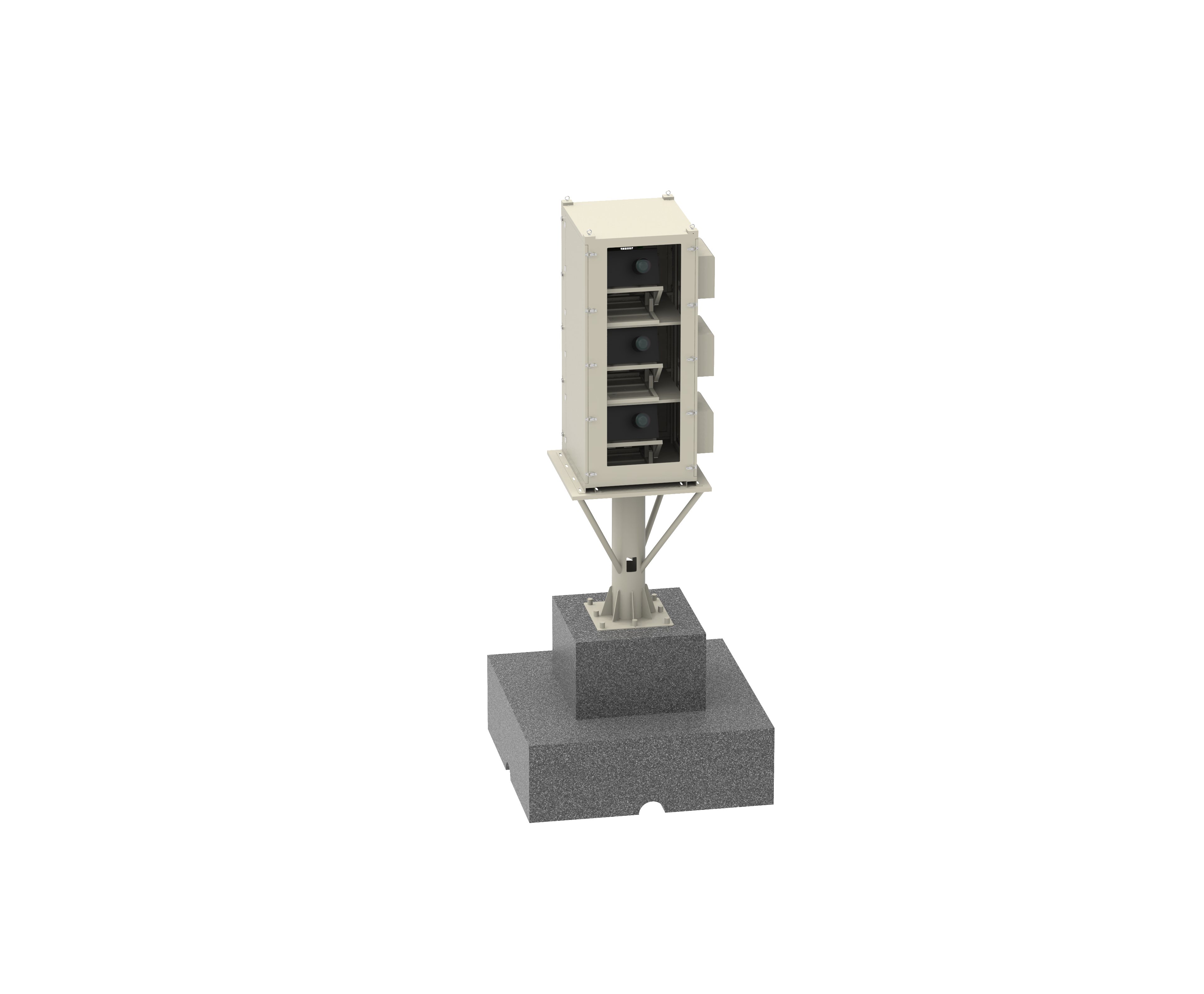
Selecting the right outdoor projector box is crucial for protecting your valuable projection equipment while ensuring optimal performance in challenging environmental conditions. An outdoor projector box serves as a weatherproof housing that shields projectors from rain, dust, temperature extremes, and other outdoor hazards that could damage sensitive electronic components. The selection process requires careful consideration of multiple factors including environmental conditions, projector specifications, installation requirements, and long-term maintenance needs.
Understanding the complexities involved in choosing an outdoor projector box will help you make an informed decision that protects your investment and delivers reliable performance. This comprehensive guide examines the critical selection criteria, environmental considerations, technical specifications, and practical implementation factors that determine the success of your outdoor projection installation. By following a systematic approach to evaluating your specific requirements, you can identify the most suitable outdoor projector box solution for your unique setup and operational needs.
Understanding Environmental Protection Requirements
Weather Resistance Specifications
The primary function of an outdoor projector box is to provide comprehensive weather protection, making IP (Ingress Protection) ratings a fundamental selection criterion. IP65 or higher ratings ensure complete protection against dust ingress and protection from water jets from any direction, while IP66 ratings offer enhanced protection against heavy seas or powerful water jets. These ratings directly impact the longevity and reliability of your projector in outdoor environments where exposure to rain, snow, and windborne debris is inevitable.
Temperature resistance capabilities represent another critical aspect of weather protection, as outdoor projector boxes must maintain stable internal conditions despite extreme external temperature variations. Quality enclosures incorporate thermal management systems that prevent condensation formation while maintaining optimal operating temperatures for sensitive electronic components. The ability to withstand temperature ranges from -40°C to +60°C ensures year-round operation in most geographic locations without compromising projector performance or component lifespan.
UV resistance properties of the enclosure materials prevent degradation and discoloration that can occur with prolonged sun exposure. High-quality outdoor projector boxes utilize UV-stabilized materials and protective coatings that maintain structural integrity and appearance over extended periods. This protection extends beyond aesthetics, as UV degradation can compromise the protective properties of seals and gaskets, potentially allowing moisture ingress that could damage internal components.
Corrosion and Chemical Resistance
Marine and industrial environments present unique challenges that require specialized corrosion resistance properties in outdoor projector box construction. Stainless steel or aluminum construction with appropriate protective coatings provides superior resistance to salt spray, chemical exposure, and industrial pollutants. The selection of appropriate materials and surface treatments directly impacts the service life and maintenance requirements of the installation, particularly in coastal or industrial locations where corrosive conditions are prevalent.
Gasket and seal materials must demonstrate compatibility with environmental conditions and maintain their sealing properties over extended periods. Silicone, EPDM, and other advanced elastomer materials provide excellent chemical resistance and temperature stability, ensuring long-term sealing effectiveness. The quality and design of sealing systems significantly influence the overall protection level and maintenance intervals required to maintain optimal performance.
Ventilation system components require careful material selection to prevent corrosion while maintaining airflow efficiency. Corrosion-resistant fans, filters, and ducting ensure continued thermal management effectiveness without compromising the protective integrity of the outdoor projector box. Regular inspection and maintenance of these components help identify potential issues before they affect system performance or protection levels.
Thermal Management and Cooling Systems
Heat Dissipation Requirements
Effective thermal management represents one of the most critical aspects of outdoor projector box selection, as projectors generate significant heat that must be efficiently removed to prevent overheating and component failure. The cooling system must accommodate the specific heat output of your projector while maintaining adequate airflow and temperature control under varying environmental conditions. Understanding your projector's thermal specifications and operating requirements enables proper sizing and configuration of cooling systems within the enclosure.
Active cooling systems incorporate fans, heat exchangers, and temperature control systems that maintain optimal internal temperatures regardless of external conditions. These systems must be sized appropriately for both projector heat load and ambient temperature conditions, with sufficient capacity to handle peak operating conditions and temperature spikes. The reliability and efficiency of active cooling components directly impact the overall system reliability and energy consumption of the installation.
Passive cooling strategies utilize natural convection and heat sink technologies to manage thermal loads without mechanical components, offering improved reliability and reduced maintenance requirements. However, passive systems require careful design consideration to ensure adequate heat dissipation capacity under all operating conditions. The selection between active and passive cooling approaches depends on projector specifications, environmental conditions, and reliability requirements specific to your application.
Ventilation Design Considerations
Proper ventilation design ensures adequate airflow while maintaining the protective integrity of the outdoor projector box enclosure. Filtered air intake and exhaust systems prevent dust and debris ingress while providing the necessary air exchange rates for effective cooling. The design and sizing of ventilation openings must balance cooling requirements with protection needs, incorporating appropriate filtration and weather protection features.
Airflow patterns within the enclosure must be optimized to ensure uniform temperature distribution and effective heat removal from critical components. Strategic placement of intake and exhaust points, along with internal air direction controls, creates efficient thermal management that prevents hot spots and ensures consistent performance. Computational fluid dynamics analysis can optimize airflow patterns for complex installations or challenging environmental conditions.
Temperature monitoring and control systems provide automated thermal management that adjusts cooling system operation based on internal and external temperature conditions. These systems can include multiple temperature sensors, variable speed fan controls, and alarm systems that alert operators to thermal issues before they affect equipment performance. Advanced control systems integrate with building management systems for centralized monitoring and control of multiple outdoor projector box installations.
Size and Compatibility Factors
Projector Dimensional Requirements
Accurate dimensional analysis ensures proper fit and adequate clearance for projector installation, maintenance access, and thermal management within the outdoor projector box. Manufacturers provide detailed dimensional drawings and clearance requirements that must be carefully compared with enclosure specifications to ensure compatibility. Insufficient clearance can restrict airflow, complicate maintenance procedures, and potentially impact projector performance or longevity.
Lens projection requirements dictate the positioning and orientation of the projector within the enclosure, affecting both the internal layout and external lens port design. The lens port must accommodate the specific throw ratio and zoom range of your projector while maintaining weather protection and optical clarity. Custom lens port configurations may be necessary for specialized projector models or unique installation requirements that cannot be accommodated by standard enclosure designs.
Cable management provisions within the outdoor projector box must accommodate power, video, control, and network cables while maintaining proper sealing and organization. Adequate cable entry points, routing channels, and securing mechanisms prevent cable damage and ensure reliable connections. The cable management system should allow for future modifications or upgrades without compromising the protective integrity of the enclosure.
Mounting and Installation Flexibility
Mounting options and flexibility determine the installation possibilities and structural requirements for your outdoor projector box installation. Wall mounting, pole mounting, and custom mounting solutions each present different advantages and limitations that must be evaluated against your specific site conditions and performance requirements. The mounting system must provide stable support while allowing for proper positioning and orientation of the projection system.
Adjustment capabilities enable fine-tuning of projector position and orientation after installation, accommodating site-specific requirements and alignment needs. Mechanical adjustment systems within the outdoor projector box allow for precise positioning without compromising weather protection or requiring enclosure modifications. These systems should provide sufficient range of motion while maintaining secure positioning under wind loading and vibration conditions.
Access requirements for installation, maintenance, and service procedures must be carefully considered during the selection process. Removable panels, hinged doors, and quick-release mechanisms facilitate routine maintenance while maintaining security and weather protection. The access design should accommodate the tools and procedures required for projector service without exposing equipment to environmental hazards or compromising operator safety.
Security and Access Control Features
Physical Security Measures
Security considerations play a vital role in outdoor projector box selection, particularly for installations in public spaces or remote locations where theft or vandalism risks are elevated. Robust locking mechanisms, tamper-resistant hardware, and reinforced construction materials provide multiple layers of physical protection for valuable projection equipment. The security system must balance protection needs with legitimate access requirements for maintenance and operation.
Concealed mounting hardware and security fasteners prevent unauthorized removal or tampering with the outdoor projector box installation. These features should be integrated into the overall design without compromising functionality or creating maintenance complications. Security planning should consider both the value of enclosed equipment and the potential consequences of system downtime or damage from security breaches.
Alarm integration capabilities allow the outdoor projector box to interface with existing security systems, providing notification of unauthorized access attempts or environmental issues. Motion sensors, door position indicators, and vibration detectors can trigger security responses or maintenance alerts. Integration with network-based security systems enables remote monitoring and response capabilities for distributed installations.
Access Control Integration
Electronic access control systems provide sophisticated security management while maintaining convenient access for authorized personnel. Key card readers, biometric scanners, and coded entry systems can be integrated with outdoor projector box designs to provide secure access logging and time-based access restrictions. These systems should be rated for outdoor use and provide reliable operation under environmental stress conditions.
Remote access capabilities enable authorized personnel to unlock and monitor the outdoor projector box from remote locations, reducing response times for maintenance or emergency situations. Network-connected access control systems provide audit trails and access logging that support security compliance and maintenance scheduling requirements. Backup power systems ensure continued security protection during power outages or system failures.
Master keying systems allow for hierarchical access control while maintaining security for individual installations. Different access levels can be assigned to installation personnel, maintenance technicians, and security staff based on their responsibilities and authorization levels. The key management system should provide accountability and control over physical key distribution while enabling efficient access for legitimate users.
Power and Connectivity Considerations
Electrical Requirements and Safety
Electrical specifications for the outdoor projector box must accommodate both projector power requirements and auxiliary system needs including cooling, lighting, and control systems. Proper electrical design ensures safe operation while providing adequate capacity for current and future power needs. Ground fault protection, surge suppression, and appropriate circuit protection safeguard both equipment and personnel from electrical hazards in outdoor environments.
Power distribution within the enclosure requires careful planning to minimize electromagnetic interference while providing reliable power to all system components. Separate circuits for different system functions prevent interaction between systems and facilitate troubleshooting when issues arise. Emergency shutdown capabilities provide safety protection and equipment preservation during fault conditions or maintenance procedures.
Electrical code compliance ensures that the outdoor projector box installation meets local safety requirements and inspection standards. Proper conduit systems, grounding arrangements, and electrical component ratings must conform to applicable electrical codes for outdoor installations. Professional electrical design and installation help ensure code compliance while optimizing system performance and safety.
Network and Communication Infrastructure
Network connectivity requirements for modern projection systems necessitate robust communication infrastructure within the outdoor projector box design. Ethernet connections, wireless access points, and fiber optic interfaces enable remote monitoring, control, and content delivery capabilities that enhance system functionality and management efficiency. The communication system must provide reliable operation under environmental stress while maintaining network security and performance standards.
Cable protection and routing systems prevent damage to sensitive communication cables while maintaining signal integrity and network performance. Proper cable management reduces maintenance complexity and ensures reliable connections under vibration and thermal cycling conditions. Redundant communication paths provide backup connectivity for critical applications where network reliability is essential for operational continuity.
Integration capabilities with existing network infrastructure determine the ease of installation and ongoing management requirements for the outdoor projector box system. Compatibility with standard network protocols and management systems enables seamless integration with existing IT infrastructure and monitoring systems. Network security features protect against unauthorized access while enabling legitimate remote management and monitoring capabilities.
FAQ
What IP rating should I look for in an outdoor projector box?
For outdoor applications, you should look for an IP rating of at least IP65, which provides complete protection against dust and protection from water jets. For more challenging environments with heavy rain or pressure washing requirements, IP66 or IP67 ratings offer enhanced water protection. The higher the second digit in the IP rating, the better the water protection, with IP68 providing protection against continuous submersion.
How do I determine the right size outdoor projector box for my projector?
Measure your projector's dimensions including length, width, height, and lens extension, then add minimum clearances of 6 inches on all sides for ventilation and maintenance access. Consider additional space requirements for cable management, cooling system components, and any auxiliary equipment. Always verify that the lens port size and position accommodate your projector's throw ratio and mounting requirements before finalizing your selection.
Can an outdoor projector box handle extreme temperature variations?
Quality outdoor projector boxes are designed to operate in temperature ranges from -40°C to +60°C (-40°F to +140°F) while maintaining stable internal conditions through thermal management systems. However, you should verify that both the enclosure and your projector can handle the specific temperature extremes in your location. Some installations may require additional heating or cooling systems for extreme climate conditions.
What maintenance is required for an outdoor projector box?
Regular maintenance includes cleaning air filters, inspecting seals and gaskets for wear, checking cooling system operation, and verifying that drainage systems are clear. Perform visual inspections monthly and detailed maintenance quarterly or as recommended by the manufacturer. Replace worn seals promptly to maintain weather protection, and clean the lens port glass regularly to ensure optimal projection quality.