
 EN
EN
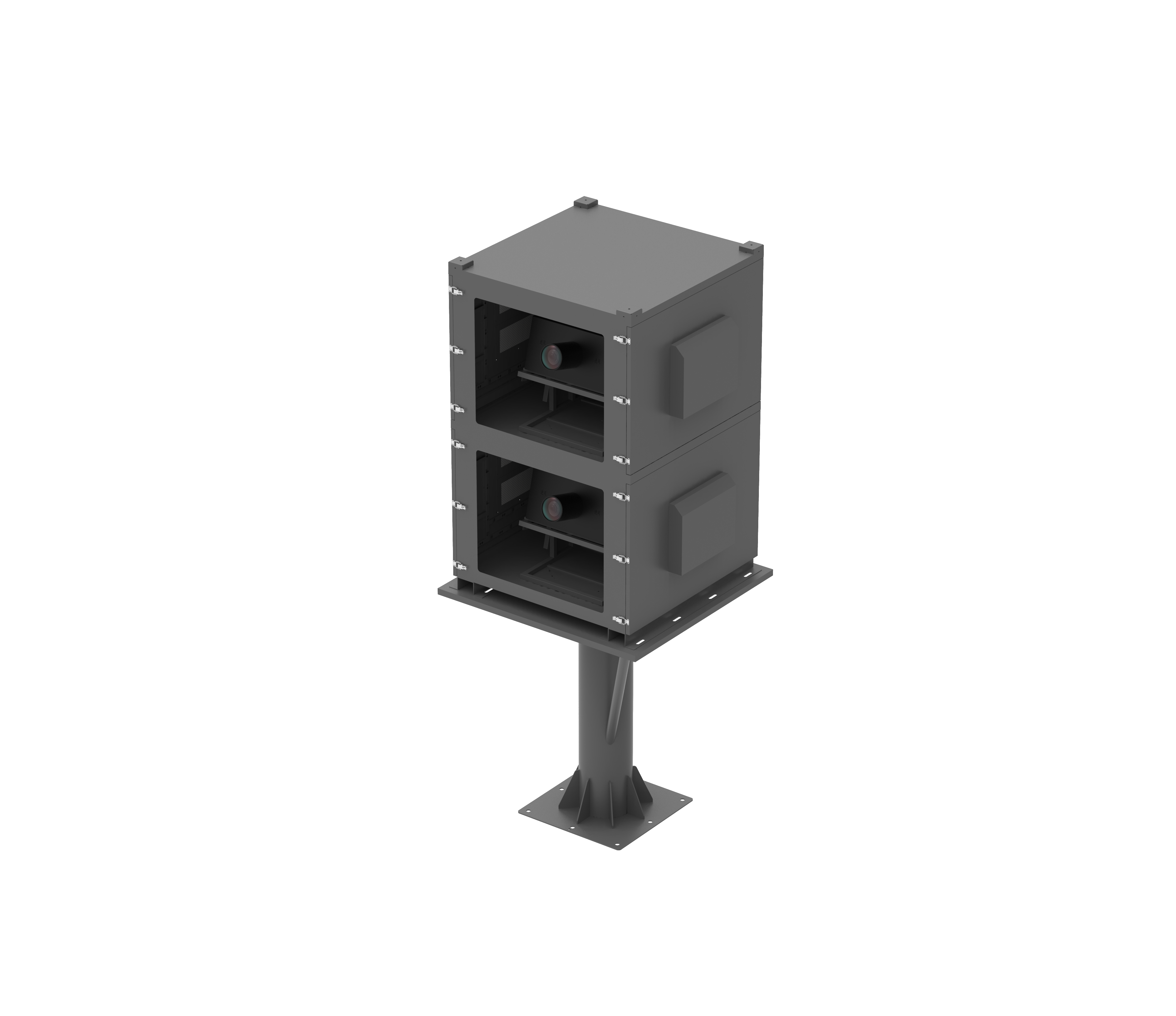
Understanding the essential characteristics of a durable outdoor projector enclosure is crucial for anyone planning to install projection systems in challenging environmental conditions. These specialized protective housings serve as the critical barrier between expensive projection equipment and harsh outdoor elements, making their design features paramount to system longevity and performance reliability.
The key features that define a truly durable outdoor projector enclosure encompass multiple engineering considerations, from material composition and sealing technologies to thermal management and security provisions. Each feature works synergistically to create a comprehensive protection system that ensures consistent projector operation regardless of weather conditions, temperature fluctuations, or environmental challenges that outdoor installations inevitably face.
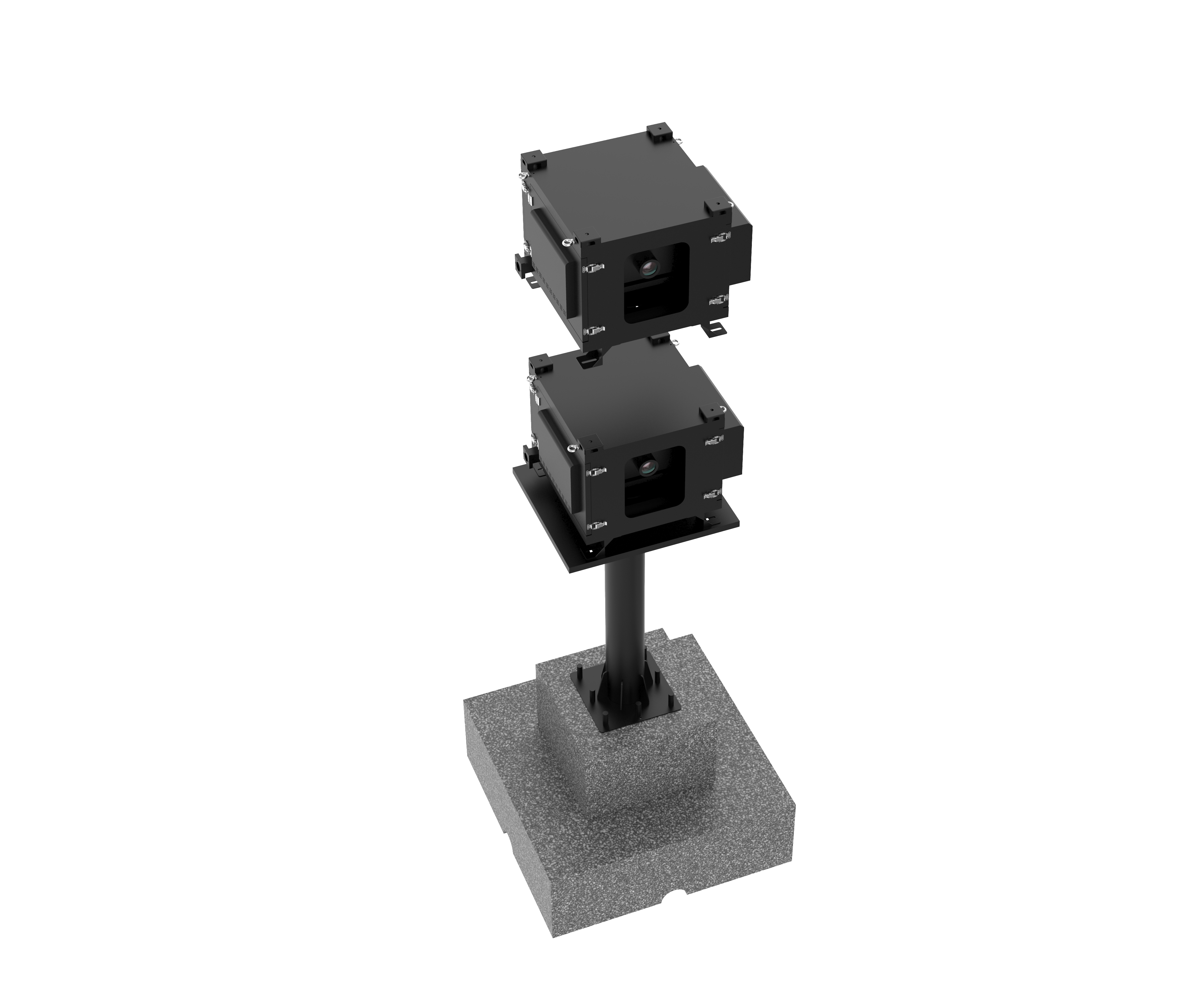
Weather Resistance and Environmental Protection
IP Rating and Ingress Protection
A fundamental feature of any quality outdoor projector enclosure is its ingress protection rating, typically expressed as an IP code that defines the level of protection against solid particles and liquid intrusion. Professional-grade enclosures should maintain an IP65 rating or higher, ensuring complete dust protection and resistance to water jets from any direction.
The sealing system that achieves this protection level involves multiple layers of defense, including primary gaskets, secondary seals, and drainage channels that redirect any moisture away from critical entry points. These sealing mechanisms must maintain their integrity across temperature variations and mechanical stress cycles that occur during normal outdoor operation.
Advanced outdoor projector enclosure designs incorporate pressure equalization systems that prevent vacuum formation during temperature changes while maintaining the protective seal. This feature prevents seal failure that could otherwise compromise the entire protection system during extreme weather events or rapid temperature transitions.
Corrosion Resistance and Material Durability
The construction materials used in durable outdoor projector enclosures must withstand prolonged exposure to ultraviolet radiation, salt air, industrial pollutants, and temperature cycling without degradation. High-grade aluminum alloys, stainless steel components, and UV-stabilized plastics form the foundation of long-lasting enclosure systems.
Surface treatments such as powder coating, anodization, or specialized marine-grade finishes provide additional protection layers that extend the operational life of the enclosure beyond standard expectations. These treatments create barriers against oxidation and chemical attack while maintaining the structural integrity of the protective housing.
Material selection also considers thermal expansion compatibility, ensuring that different components expand and contract at similar rates to prevent seal failure or structural stress during temperature variations commonly encountered in outdoor environments.
Thermal Management and Climate Control
Active Cooling Systems
Effective thermal management represents one of the most critical features of a durable outdoor projector enclosure, as projectors generate substantial heat that must be dissipated while maintaining protection from external elements. Active cooling systems typically incorporate filtered ventilation fans, heat exchangers, or closed-loop cooling circuits that remove heat without compromising the environmental seal.
The cooling system design must account for varying ambient temperatures, solar loading, and projector heat output across different operating modes. Variable-speed fan controls and temperature sensors enable the cooling system to respond dynamically to changing thermal conditions while maintaining optimal projector operating temperatures.
Advanced outdoor projector enclosure systems integrate redundant cooling paths and fail-safe mechanisms that prevent overheating even if primary cooling components experience failures, ensuring continuous operation in critical applications.
Heating and Condensation Prevention
Cold weather operation requires integrated heating elements or thermal management systems that maintain minimum operating temperatures for projector electronics while preventing condensation formation inside the enclosure. These heating systems must operate efficiently without creating hot spots that could damage sensitive projector components.
Desiccant systems or active dehumidification features work in conjunction with heating elements to control internal humidity levels and prevent condensation that could cause electrical failures or optical degradation. The moisture control system must balance vapor removal with energy efficiency across varying outdoor humidity conditions.
Insulation properties of the enclosure wall construction significantly impact thermal management efficiency, with multi-layer designs that include thermal breaks and vapor barriers providing superior performance in extreme temperature environments.
Security and Access Control Features
Physical Security Measures
Robust security features protect valuable projection equipment from theft and unauthorized access while maintaining convenient legitimate access for maintenance and service operations. Heavy-duty locking mechanisms, reinforced mounting points, and tamper-evident seals form the foundation of comprehensive security protection.
The enclosure design should incorporate multiple locking points distributed around the access panels to resist prying attempts, while internal security features such as equipment anchor points prevent removal of projectors even if the enclosure is breached.
Concealed hinge pins, security screws, and anti-vandalism features ensure that the outdoor projector enclosure remains secure even in high-risk installation environments where equipment theft or malicious damage poses significant concerns.
Maintenance Access and Service Features
Thoughtful access design enables efficient maintenance operations while maintaining security and environmental protection when the enclosure is closed. Hinged panels, removable sections, or sliding access doors should operate smoothly and provide adequate working space for technicians to perform routine service tasks.
Internal organization features such as cable management systems, equipment mounting rails, and tool storage compartments streamline maintenance procedures and reduce service time requirements. These features become particularly important for installations in remote or difficult-to-access locations.
Quick-disconnect features for power, data, and cooling connections enable rapid projector removal when necessary while maintaining proper environmental sealing during normal operation of the outdoor projector enclosure system.
Optical and Projection Features
Window Design and Optical Clarity
The projection window represents a critical component that must maintain optical clarity while providing environmental protection equivalent to the enclosure walls. High-quality optical glass or specialized transparent materials resist scratching, fogging, and UV degradation that could compromise image quality over time.
Anti-reflective coatings on both window surfaces minimize light loss and prevent unwanted reflections that could reduce image contrast or create visual artifacts. The window mounting system must maintain precise alignment while accommodating thermal expansion and mechanical loading without introducing optical distortions.
Automated window cleaning systems or easily replaceable window panels ensure that optical performance remains consistent throughout the operational life of the outdoor projector enclosure, particularly important for installations where manual cleaning access is limited.
Lens Protection and Focus Adjustment
Integrated lens protection features shield the projector optics from environmental contamination while allowing necessary adjustments for installation and maintenance. Motorized lens covers or retractable protection systems enable remote operation while providing maximum protection during non-operational periods.
External focus and zoom adjustment capabilities allow for precise image optimization without opening the enclosure, maintaining environmental protection while enabling fine-tuning of projection parameters. These adjustment mechanisms must operate reliably across temperature ranges and resist contamination that could affect their precision.
The optical path design within the outdoor projector enclosure should minimize internal reflections and provide adequate ventilation around the lens assembly to prevent fogging or thermal distortion that could degrade image quality.
Power and Connectivity Integration
Electrical Systems and Power Management
Robust electrical integration ensures reliable power delivery to the projector and enclosure systems while maintaining environmental sealing and safety standards. Weatherproof electrical connections, surge protection devices, and proper grounding systems protect against electrical faults and lightning strikes common in outdoor installations.
Power conditioning features such as voltage regulation, filtering, and backup power integration enhance system reliability and protect sensitive projector electronics from power quality issues that frequently occur in outdoor electrical environments.
The electrical design should incorporate adequate circuit protection, emergency shutdown capabilities, and status monitoring systems that enable remote diagnosis of power-related issues without requiring site visits to the outdoor projector enclosure location.
Data and Control Connectivity
Comprehensive connectivity features enable integration with building management systems, remote monitoring networks, and content delivery systems while maintaining the environmental integrity of the enclosure. Sealed cable entry systems, signal conditioning equipment, and network interface protection ensure reliable data transmission under all weather conditions.
Built-in network switching, signal extension capabilities, and protocol conversion features simplify installation and reduce the number of external components required for complex projection systems. These integration features become particularly valuable for installations where equipment accessibility is limited.
Remote diagnostic capabilities integrated into the outdoor projector enclosure enable proactive maintenance scheduling and rapid troubleshooting of system issues, reducing downtime and extending overall system reliability in demanding outdoor applications.
FAQ
What IP rating should I look for in an outdoor projector enclosure?
A minimum IP65 rating is recommended for most outdoor projector enclosure applications, providing complete dust protection and resistance to water jets. For harsh marine or industrial environments, consider IP66 or IP67 ratings that offer higher levels of water protection. The specific rating should match your installation environment's exposure to dust, rain, and cleaning requirements.
How important is active cooling in an outdoor projector enclosure?
Active cooling is essential for maintaining projector performance and longevity in outdoor applications. Without proper cooling, projectors will overheat, leading to reduced brightness, shortened lamp life, and potential component failure. The cooling system should be sized to handle both projector heat generation and solar loading on the enclosure in your specific climate conditions.
Can outdoor projector enclosures operate in sub-freezing temperatures?
Yes, properly designed outdoor projector enclosures can operate in sub-freezing conditions with integrated heating systems and proper insulation. The heating system maintains minimum operating temperatures for projector electronics while preventing condensation formation. However, the specific low-temperature capability depends on the enclosure design and the projector's operating specifications.
What maintenance is required for outdoor projector enclosures?
Regular maintenance includes cleaning the projection window, inspecting and replacing air filters, checking seal integrity, and verifying proper operation of cooling and heating systems. The maintenance schedule varies based on environmental conditions, but quarterly inspections are typically recommended for most installations. Access to maintenance points should be considered during the enclosure selection process.