
 EN
EN
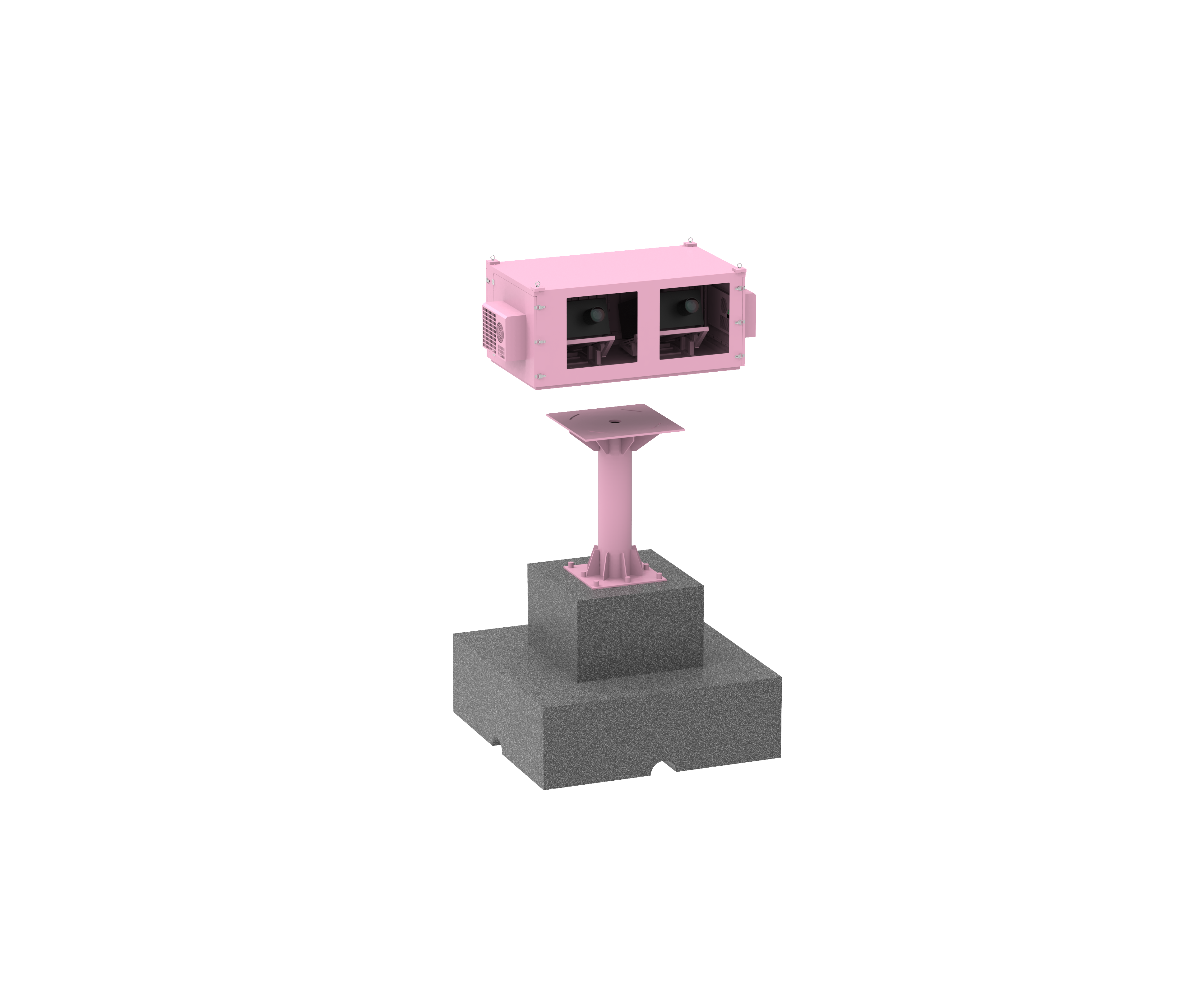
An outdoor projector box serves as a critical protective barrier that shields sensitive projection equipment from harsh environmental conditions. These specialized enclosures employ multiple protective mechanisms designed specifically to prevent dust infiltration and moisture damage, two of the most common threats to outdoor projection systems. Understanding how an outdoor projector box functions as a protective shield helps facility managers and installation professionals make informed decisions about equipment protection strategies.
The protection offered by an outdoor projector box extends far beyond simple coverage, incorporating sophisticated sealing technologies, ventilation systems, and material engineering principles. These enclosures create controlled microclimates that maintain optimal operating conditions while actively preventing environmental contaminants from reaching sensitive optical and electronic components. The protective mechanisms work continuously, adapting to changing weather conditions and environmental challenges throughout the day and across seasons.
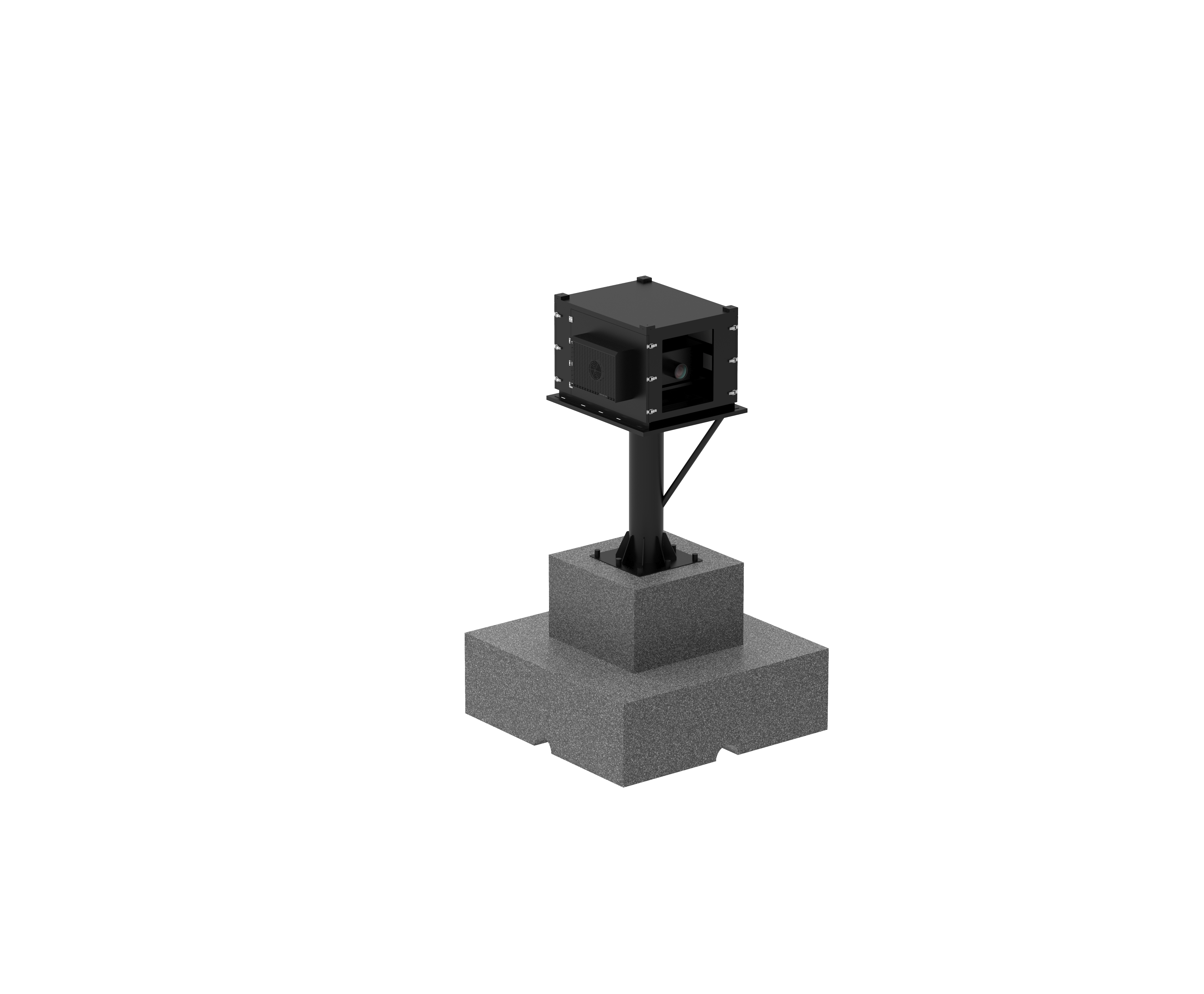
Primary Dust Protection Mechanisms
Advanced Sealing Systems
The foundation of dust protection in any outdoor projector box lies in its comprehensive sealing system. Professional-grade enclosures utilize multi-stage sealing approaches that create multiple barriers against particle infiltration. Primary seals typically consist of EPDM rubber gaskets or silicone sealing strips that form the main barrier around access doors, ventilation openings, and cable entry points. These seals compress when the outdoor projector box is closed, creating an airtight boundary that prevents dust particles from entering through gaps or joints.
Secondary sealing mechanisms often include labyrinth seals or tortuous path designs that force any air entering the enclosure to navigate complex pathways. Even if particles manage to bypass the primary seals, these secondary barriers trap dust through directional changes and reduced air velocity zones. The sealing system effectiveness is typically rated according to IP (Ingress Protection) standards, with higher ratings indicating superior dust protection capabilities for the outdoor projector box.
Maintenance of sealing systems requires periodic inspection and replacement of gasket materials. Weather exposure, temperature cycling, and UV radiation can degrade sealing materials over time, potentially compromising the dust protection effectiveness. Professional outdoor projector box designs incorporate easily replaceable seal components and clear inspection protocols to maintain optimal protection levels throughout the equipment lifecycle.
Filtered Ventilation Design
Effective dust protection in an outdoor projector box must balance complete sealing with necessary ventilation for heat dissipation. Advanced filtration systems allow controlled air exchange while removing airborne particles before they can reach sensitive equipment. HEPA-grade filters or specialized pleated media filters capture particles as small as 0.3 microns, ensuring that cooling air entering the enclosure meets clean room standards.
The ventilation design typically incorporates positive pressure systems that maintain slightly higher internal pressure compared to external atmospheric pressure. This positive pressure differential ensures that any leakage flows outward from the outdoor projector box rather than allowing contaminated air to enter through minor seal imperfections. Fan systems with variable speed controls adjust airflow based on internal temperature requirements while maintaining consistent filtration effectiveness.
Filter maintenance becomes critical for sustained dust protection performance. Clogged filters reduce airflow efficiency and can cause internal pressure imbalances that compromise the protective barrier. Modern outdoor projector box designs include filter monitoring systems with pressure differential sensors or visual indicators that signal when filter replacement is required.
Moisture Protection Strategies
Weatherproof Construction Materials
Moisture protection begins with the fundamental construction materials and design philosophy of the outdoor projector box. Marine-grade aluminum alloys, stainless steel components, and weather-resistant polymer materials form the primary structural elements. These materials resist corrosion, maintain dimensional stability under temperature cycling, and provide long-term durability in humid environments. Surface treatments such as anodizing, powder coating, or specialized polymer finishes create additional moisture barriers at the material level.
Construction joints and assembly methods play crucial roles in moisture protection effectiveness. Welded seams eliminate potential water entry points that might exist in mechanically fastened joints. Where mechanical fasteners are necessary, they incorporate sealing washers, thread sealants, or O-ring systems to prevent moisture infiltration. The outdoor projector box design minimizes horizontal surfaces where water might accumulate and incorporates drainage features to redirect water away from critical sealing areas.
Material selection also considers thermal expansion characteristics to maintain seal integrity across temperature ranges. Different materials expand and contract at different rates, potentially creating gaps or seal compression variations that affect moisture protection. Professional outdoor projector box designs account for these thermal movements through material compatibility and flexible sealing approaches that accommodate dimensional changes.
Active Dehumidification Systems
Beyond passive moisture barriers, many advanced outdoor projector box installations incorporate active dehumidification systems that continuously remove moisture from the internal environment. Desiccant-based dehumidifiers, thermoelectric cooling systems, or refrigeration-based units maintain internal humidity levels below critical thresholds that could cause condensation or corrosion damage to sensitive equipment.
Condensation control represents a particular challenge in outdoor environments where temperature differentials between day and night cycles can cause internal surfaces to reach dew point temperatures. Active dehumidification systems monitor internal humidity levels and activate automatically when conditions approach condensation thresholds. These systems work in coordination with heating elements or thermal management systems to maintain stable internal conditions regardless of external weather variations.
Energy efficiency considerations influence dehumidification system design, particularly for solar-powered or remote installations where power consumption must be minimized. Variable-capacity dehumidification systems adjust their operation based on actual moisture loads rather than running continuously, reducing energy consumption while maintaining adequate moisture protection for the outdoor projector box contents.
Integrated Environmental Control Systems
Temperature and Humidity Monitoring
Sophisticated outdoor projector box installations incorporate comprehensive environmental monitoring systems that track multiple parameters affecting equipment protection. Temperature sensors, humidity sensors, and sometimes air quality monitors provide real-time data about internal conditions. These monitoring systems serve both protective functions and diagnostic purposes, alerting operators to potential problems before they cause equipment damage.
Data logging capabilities allow facility managers to track environmental conditions over extended periods, identifying patterns or trends that might indicate degrading protection performance. Historical data helps optimize maintenance schedules, predict component replacement needs, and validate the effectiveness of protection strategies. Remote monitoring capabilities enable off-site supervision of multiple outdoor projector box installations from centralized control locations.
Alarm systems integrated with environmental monitoring provide immediate notification when conditions exceed safe parameters. Temperature alarms might indicate cooling system failures, while humidity alarms could signal seal degradation or dehumidification system problems. These early warning systems prevent minor issues from escalating into equipment damage or system failures.
Automated Response Mechanisms
Advanced outdoor projector box systems incorporate automated response mechanisms that react to environmental challenges without human intervention. When sensors detect rising internal temperatures, automated systems can increase ventilation fan speeds, activate additional cooling systems, or even shut down non-essential equipment to reduce heat generation. These automated responses protect equipment while minimizing the need for constant human monitoring.
Humidity control automation adjusts dehumidification system operation based on real-time sensor feedback and predictive algorithms that anticipate changing weather conditions. Some systems integrate weather forecast data to proactively adjust protection strategies before adverse conditions arrive. This predictive approach maximizes protection effectiveness while optimizing energy consumption.
Emergency protection modes activate during extreme weather events or system failures. These modes might include complete equipment shutdown, maximum dehumidification operation, or activation of backup power systems to maintain critical protection functions. The outdoor projector box emergency protocols ensure equipment survival even during unexpected environmental challenges or system component failures.
Material Engineering and Design Principles
Multi-Layer Protection Architecture
Professional outdoor projector box designs employ multi-layer protection architectures that create redundant barriers against dust and moisture infiltration. The outermost layer typically consists of weather-resistant materials designed to shed water and deflect airborne particles. Intermediate layers might include thermal insulation materials that also provide additional sealing properties and help maintain stable internal temperatures.
Inner protective layers focus on creating controlled environments around sensitive equipment. These might include specialized enclosure materials with low outgassing properties to prevent chemical contamination of optical surfaces, or EMI shielding materials that provide electromagnetic protection in addition to environmental barriers. Each layer serves specific protective functions while contributing to the overall effectiveness of the outdoor projector box system.
Layer integration requires careful attention to compatibility between different materials and sealing systems. Thermal expansion differences, chemical compatibility, and mechanical stress distribution all influence the long-term effectiveness of multi-layer protection approaches. Professional designs account for these interactions to ensure that protection performance improves rather than degrades over time.
Modular Component Design
Modular design approaches in outdoor projector box construction provide flexibility for different protection requirements while simplifying maintenance and upgrades. Removable filter modules, replaceable sealing components, and modular ventilation systems allow customization of protection strategies based on specific environmental challenges or equipment requirements.
Modular construction also facilitates field service and maintenance operations. Technicians can replace individual protection components without disassembling entire enclosure systems, reducing maintenance time and minimizing equipment exposure to environmental contaminants during service operations. Standardized module interfaces ensure compatibility across different outdoor projector box configurations and manufacturers.
Future upgrade capabilities built into modular designs allow adaptation to changing protection requirements or advancing technology. New filtration technologies, improved sealing materials, or enhanced environmental control systems can be integrated into existing installations without complete enclosure replacement, protecting the initial investment while improving protection performance.
Installation and Operational Considerations
Site-Specific Protection Optimization
Effective dust and moisture protection from an outdoor projector box requires careful consideration of site-specific environmental conditions. Coastal installations face salt spray and high humidity challenges that differ significantly from desert environments with extreme temperature variations and abrasive dust particles. Protection strategies must adapt to these local conditions to provide optimal equipment protection throughout varying seasonal conditions.
Site surveys identify specific environmental threats that influence outdoor projector box specification and configuration. Wind patterns affect dust loading and cooling system requirements, while precipitation patterns influence drainage design and moisture protection strategies. Local air quality conditions determine filtration requirements, and temperature extremes influence thermal management system sizing.
Geographic considerations also include altitude effects on cooling system performance, seismic requirements for mechanical systems, and local electrical code compliance for powered protection systems. These factors integrate into comprehensive protection strategies that address all relevant environmental challenges while meeting regulatory requirements for the outdoor projector box installation.
Maintenance Protocol Development
Sustained protection effectiveness requires comprehensive maintenance protocols tailored to specific outdoor projector box configurations and environmental conditions. Regular inspection schedules identify potential problems before they compromise protection performance, while preventive maintenance procedures ensure continued effectiveness of sealing, filtration, and environmental control systems.
Maintenance protocols typically include visual inspections of sealing systems, performance testing of filtration equipment, calibration of environmental sensors, and cleaning of ventilation pathways. Documentation requirements track maintenance activities and system performance over time, providing data for optimization of maintenance intervals and identification of recurring issues that might indicate design improvements.
Training requirements for maintenance personnel ensure proper execution of protection system maintenance without compromising equipment safety or protection effectiveness. Specialized tools, replacement parts inventory, and safety procedures all contribute to successful maintenance programs that preserve the protective capabilities of outdoor projector box installations throughout their operational lifetimes.
FAQ
What IP rating should I look for in an outdoor projector box for maximum dust and moisture protection?
For comprehensive dust and moisture protection, look for an outdoor projector box with at least IP65 rating, which provides complete dust protection and protection against water jets from any direction. For harsh environments or critical applications, IP66 or IP67 ratings offer enhanced moisture protection against powerful water jets or temporary immersion. The specific rating needed depends on your local climate conditions and installation environment.
How often should I replace filters and seals in an outdoor projector box?
Filter replacement frequency depends on local dust conditions but typically ranges from 3-12 months for standard environments. Heavily contaminated locations may require monthly filter changes, while clean environments might extend to annual replacement. Seals should be inspected quarterly and typically last 2-5 years depending on UV exposure and temperature cycling. Always follow manufacturer recommendations and adjust based on actual environmental monitoring data.
Can an outdoor projector box maintain protection effectiveness in extreme temperature conditions?
Quality outdoor projector box designs operate effectively in temperature ranges from -40°F to 120°F (-40°C to 49°C) while maintaining dust and moisture protection. Extreme temperatures may affect seal flexibility and thermal expansion, so systems designed for harsh climates incorporate temperature-compensating sealing systems and materials selected for wide temperature stability. Active thermal management systems help maintain optimal internal conditions regardless of external temperature extremes.
What happens if the dehumidification system fails in an outdoor projector box?
Dehumidification system failure increases condensation risk, particularly during temperature transitions. Quality outdoor projector box designs include backup protection strategies such as desiccant packets for short-term moisture control, condensation drainage systems, and alarm notifications for immediate maintenance response. Some systems incorporate redundant dehumidification units or automatic switching to alternative moisture control methods when primary systems fail.
Table of Contents
- Primary Dust Protection Mechanisms
- Moisture Protection Strategies
- Integrated Environmental Control Systems
- Material Engineering and Design Principles
- Installation and Operational Considerations
-
FAQ
- What IP rating should I look for in an outdoor projector box for maximum dust and moisture protection?
- How often should I replace filters and seals in an outdoor projector box?
- Can an outdoor projector box maintain protection effectiveness in extreme temperature conditions?
- What happens if the dehumidification system fails in an outdoor projector box?