
 EN
EN
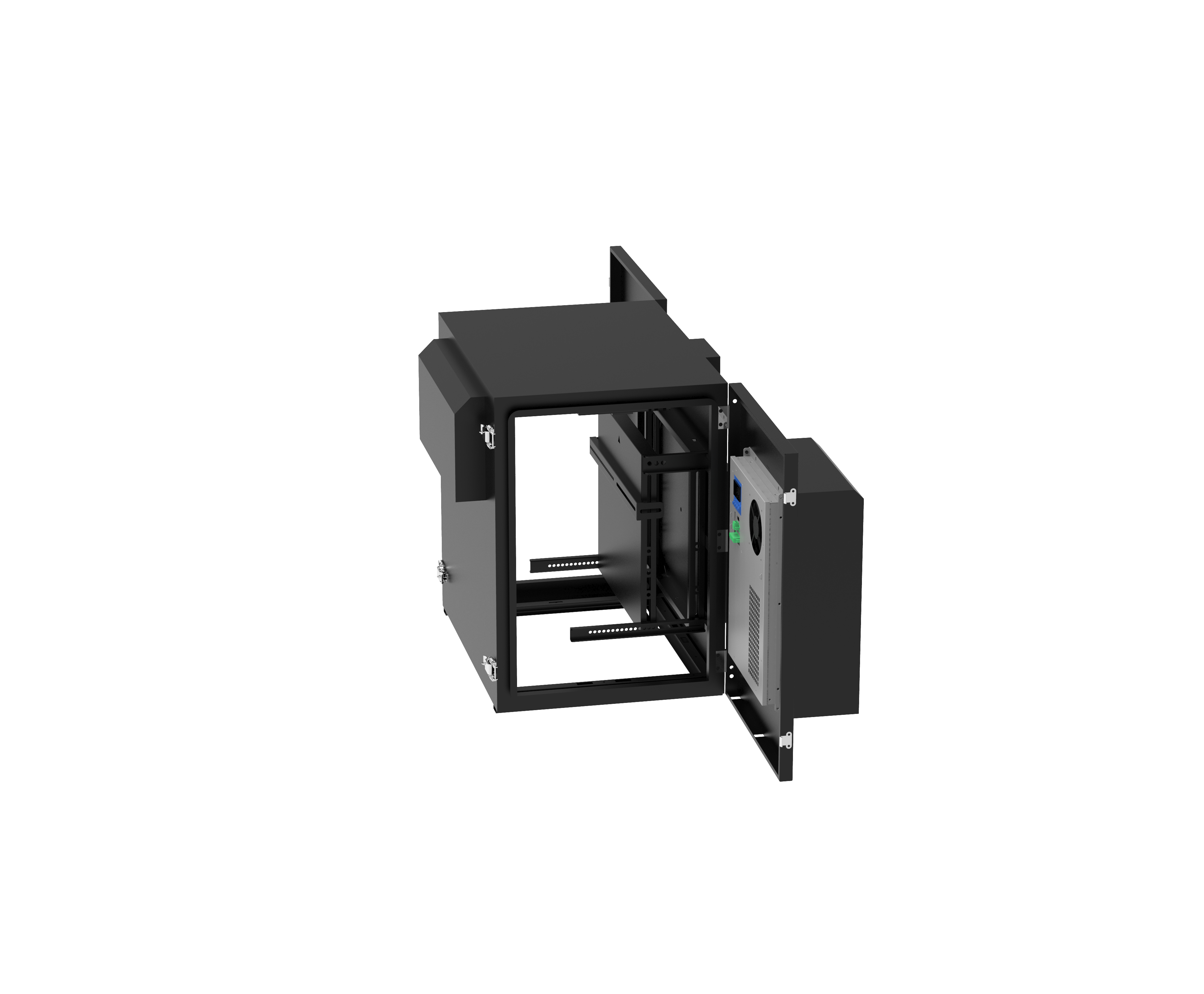
The question of compatibility between outdoor projector boxes and various projector models is a critical consideration for anyone planning to install projection equipment in external environments. While outdoor projector boxes are designed with versatility in mind, the reality is more nuanced than a simple yes or no answer. Understanding the specific compatibility factors, dimensional requirements, and technical specifications is essential for making an informed decision about whether a particular enclosure will work with your projector setup.
The compatibility of outdoor projector boxes depends on multiple variables including physical dimensions, mounting requirements, ventilation needs, and connectivity specifications. Most quality outdoor projector boxes are engineered to accommodate a wide range of projector sizes and types, but universal compatibility across all models is not guaranteed. The key lies in understanding your specific projector's requirements and matching them with the appropriate enclosure specifications to ensure optimal performance and protection.
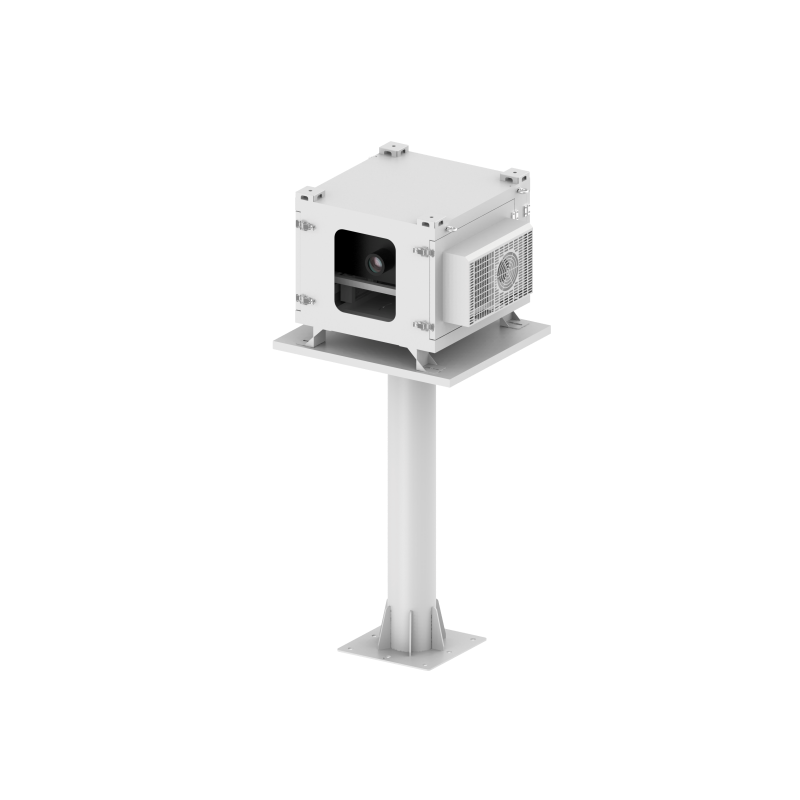
Physical Compatibility Factors
Dimensional Requirements and Size Constraints
The primary compatibility factor for outdoor projector boxes revolves around physical dimensions. Standard outdoor enclosures typically accommodate projectors ranging from compact portable units to larger installation-grade models. Most outdoor projector boxes are designed with internal dimensions that can house projectors measuring up to 18 inches in length, 12 inches in width, and 8 inches in height, though larger enclosures are available for bigger projectors.
However, it's crucial to measure your specific projector model and compare these dimensions against the internal clearance of the outdoor projector boxes you're considering. The enclosure must provide adequate space not only for the projector body but also for proper air circulation around the unit. Insufficient clearance can lead to overheating issues and reduced projector lifespan, even if the unit technically fits inside the enclosure.
Some ultra-short throw projectors or projectors with unique form factors may require specialized outdoor projector boxes or custom modifications. Similarly, projectors with protruding lens elements or unusual port configurations might need specific accommodations that not all standard enclosures can provide.
Weight Capacity and Structural Support
Weight compatibility is another critical factor when evaluating outdoor projector boxes. While most enclosures are built to handle substantial weight loads, extremely heavy projectors or those with unusual weight distribution may require reinforced mounting systems. Standard outdoor projector boxes typically support projectors weighing up to 25-30 pounds, but high-end laser projectors or older models may exceed these limits.
The structural integrity of the mounting system becomes particularly important in outdoor installations where wind loads and weather conditions create additional stress on the enclosure and its contents. Proper weight distribution and secure mounting are essential for long-term reliability and safety.
Additionally, the weight capacity must account for any additional accessories or equipment that might be housed within the same enclosure, such as media players, signal processors, or mounting hardware.
Technical and Functional Compatibility
Cooling and Ventilation Requirements
Thermal management represents one of the most critical compatibility considerations for outdoor projector boxes. Different projector technologies generate varying amounts of heat, with laser projectors typically running cooler than traditional lamp-based units. The cooling requirements of your specific projector must align with the ventilation capabilities of the outdoor enclosure.
Most quality outdoor projector boxes incorporate active cooling systems with temperature-controlled fans and intake/exhaust vents. However, high-brightness projectors or those with particularly demanding thermal requirements may need enhanced cooling solutions or specialized enclosures designed for high-heat applications.
The ambient temperature range of your installation location also affects compatibility. Projectors have specific operating temperature ranges, and the outdoor projector boxes must be capable of maintaining internal temperatures within these parameters regardless of external weather conditions.
Connectivity and Port Accessibility
Port configuration and connectivity requirements vary significantly among projector models, affecting compatibility with standard outdoor projector boxes. Modern projectors may feature HDMI ports, USB connections, network interfaces, and various legacy inputs, all of which need to remain accessible through the enclosure.
Most outdoor projector boxes include cable management systems and weatherproof cable entry points, but the specific configuration may not accommodate all projector models equally well. Projectors with ports located on unusual sides or those requiring frequent access to controls may face compatibility challenges with certain enclosure designs.
Wireless projectors or those with built-in streaming capabilities may have fewer physical connectivity requirements, potentially offering greater compatibility with various outdoor projector boxes. However, these models still require consideration of antenna placement and wireless signal strength when enclosed.
Installation and Mounting Compatibility
Mounting System Requirements
The mounting requirements of your projector significantly impact compatibility with outdoor projector boxes. Most projectors use standard ceiling mount points with specific thread patterns and spacing, but some models feature unique mounting configurations that may not align with standard enclosure mounting systems.
Universal mounting systems in outdoor projector boxes are designed to accommodate the most common mounting patterns, but specialized projectors may require custom mounting adapters or modifications. The throw distance and lens positioning requirements of your projector also affect mounting compatibility, as the enclosure must position the projector at the correct angle and distance from the projection surface.
Adjustability features in the mounting system become crucial for achieving proper alignment and focus, particularly in applications where precise positioning is critical for image quality.
Optical Considerations and Lens Protection
Lens protection and optical considerations represent another dimension of compatibility for outdoor projector boxes. Different projector models feature varying lens configurations, throw ratios, and optical characteristics that must be accommodated by the enclosure design.
The front window or optical opening of outdoor projector boxes must provide adequate clearance for your projector's lens while maintaining weatherproof protection. Some projectors with particularly wide-angle lenses or unusual optical configurations may require specialized optical windows or custom modifications.
Anti-reflective coatings, heating elements for cold weather operation, and cleaning access for the optical window are additional factors that may affect compatibility between specific projector models and enclosure designs.
Environmental and Operational Compatibility
Weather Resistance and Protection Levels
The level of environmental protection required varies based on your projector's specifications and the intended installation environment. While outdoor projector boxes are designed for exterior use, different models offer varying levels of protection against dust, moisture, temperature extremes, and other environmental factors.
Some projectors may have specific environmental requirements or limitations that must be considered when selecting compatible outdoor projector boxes. For example, certain projectors may not be suitable for extremely cold climates, while others might require additional protection in high-humidity environments.
The IP rating of the enclosure should align with both the projector's environmental tolerances and the specific conditions of your installation site to ensure long-term reliability and performance.
Maintenance and Service Access
Regular maintenance requirements of your projector model affect compatibility with outdoor projector boxes in terms of service access and ease of maintenance. Projectors requiring frequent lamp changes, filter cleaning, or other routine maintenance need enclosures designed for easy access to these components.
Some outdoor projector boxes feature removable panels, hinged doors, or quick-access systems that accommodate different maintenance requirements. However, projectors with unusual service access needs or those requiring specialized tools for maintenance may face compatibility challenges with certain enclosure designs.
The frequency and complexity of required maintenance should be considered during the compatibility evaluation process to ensure that the chosen outdoor projector boxes support the long-term operational requirements of your specific projector model.
FAQ
Do outdoor projector boxes work with ultra-short throw projectors?
Most standard outdoor projector boxes are not compatible with ultra-short throw projectors due to their unique form factors and installation requirements. Ultra-short throw projectors typically need to be positioned very close to the projection surface and often have unusual dimensions that don't fit standard enclosure designs. Specialized outdoor projector boxes designed specifically for ultra-short throw models are available but require careful selection based on your specific projector model.
Can I use an outdoor projector box with a projector that has built-in speakers?
Yes, outdoor projector boxes can accommodate projectors with built-in speakers, but audio performance may be affected by the enclosure. The enclosure walls can muffle sound output, so many installations require external speakers or audio pass-through systems. Some outdoor projector boxes include acoustic ports or audio management features specifically designed to work with projectors that have integrated speakers.
Are outdoor projector boxes compatible with older projector models?
Compatibility with older projector models depends on several factors including size, weight, mounting patterns, and cooling requirements. Many older projectors are larger and heavier than modern units, potentially requiring larger outdoor projector boxes or reinforced mounting systems. Additionally, older models may have different cooling requirements or port configurations that could affect compatibility with standard enclosure designs.
What happens if my projector doesn't fit perfectly in the outdoor projector box?
If your projector doesn't fit perfectly, you should not force the installation as this can lead to overheating, vibration issues, or damage to both the projector and enclosure. Many outdoor projector boxes offer adjustable mounting systems or optional accessories to accommodate different projector sizes. In some cases, custom modifications or specialized enclosures may be necessary to ensure proper fit and performance.