
 EN
EN
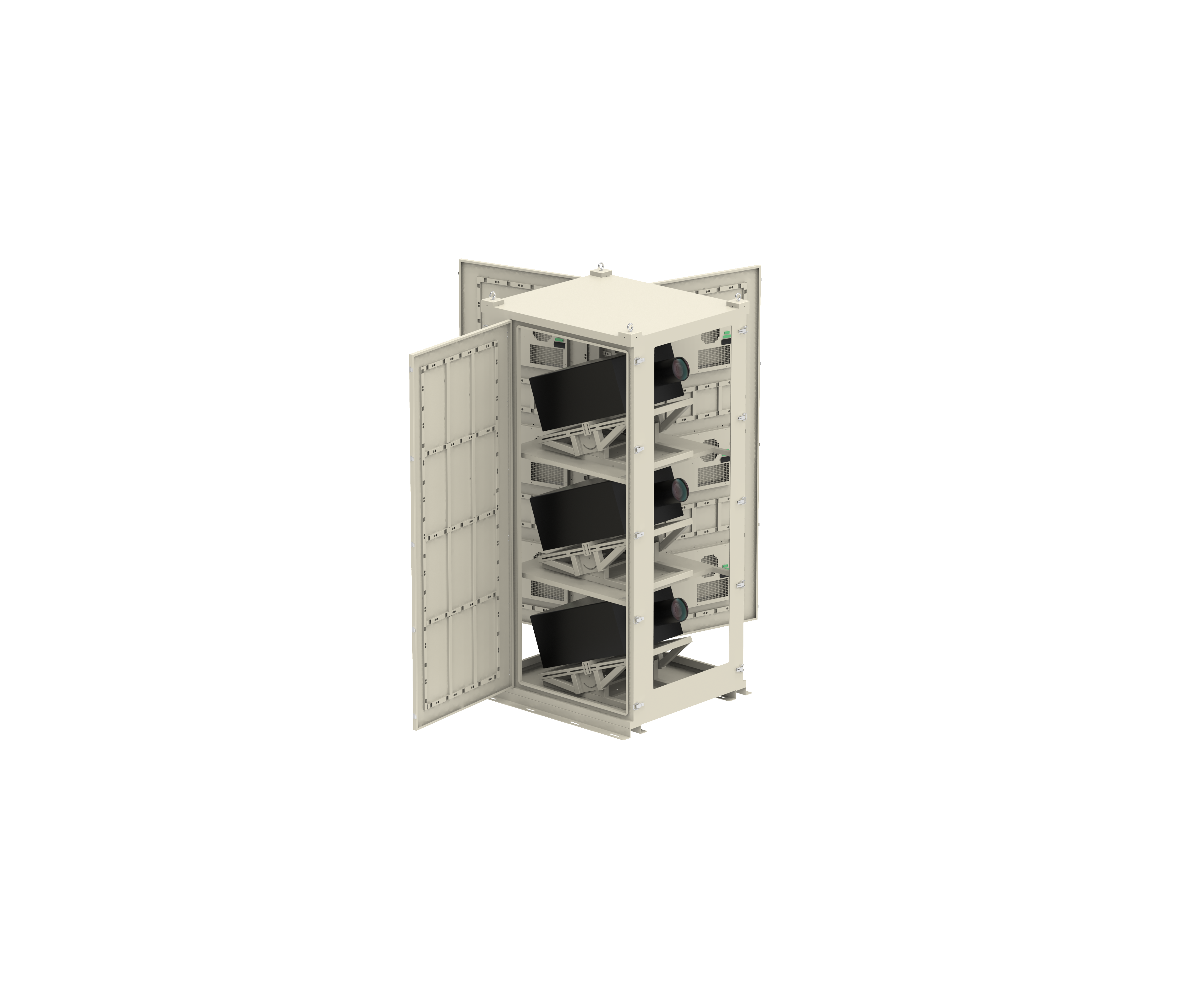
Selecting the appropriate size for an outdoor projection multi-proof case requires careful consideration of your projector's dimensions, environmental protection needs, and installation requirements. The wrong size choice can lead to inadequate protection, overheating issues, or installation complications that compromise your entire outdoor projection system. Understanding the critical sizing factors will ensure your projector operates reliably in challenging outdoor conditions.
The sizing process for an outdoor projection multi-proof case involves measuring your projector accurately, accounting for ventilation requirements, cable management space, and future maintenance access. Professional installations demand precise calculations to balance protection effectiveness with thermal management, while considering the structural requirements for mounting and weatherproofing. This comprehensive guide will walk you through each critical aspect of size selection to help you make an informed decision.
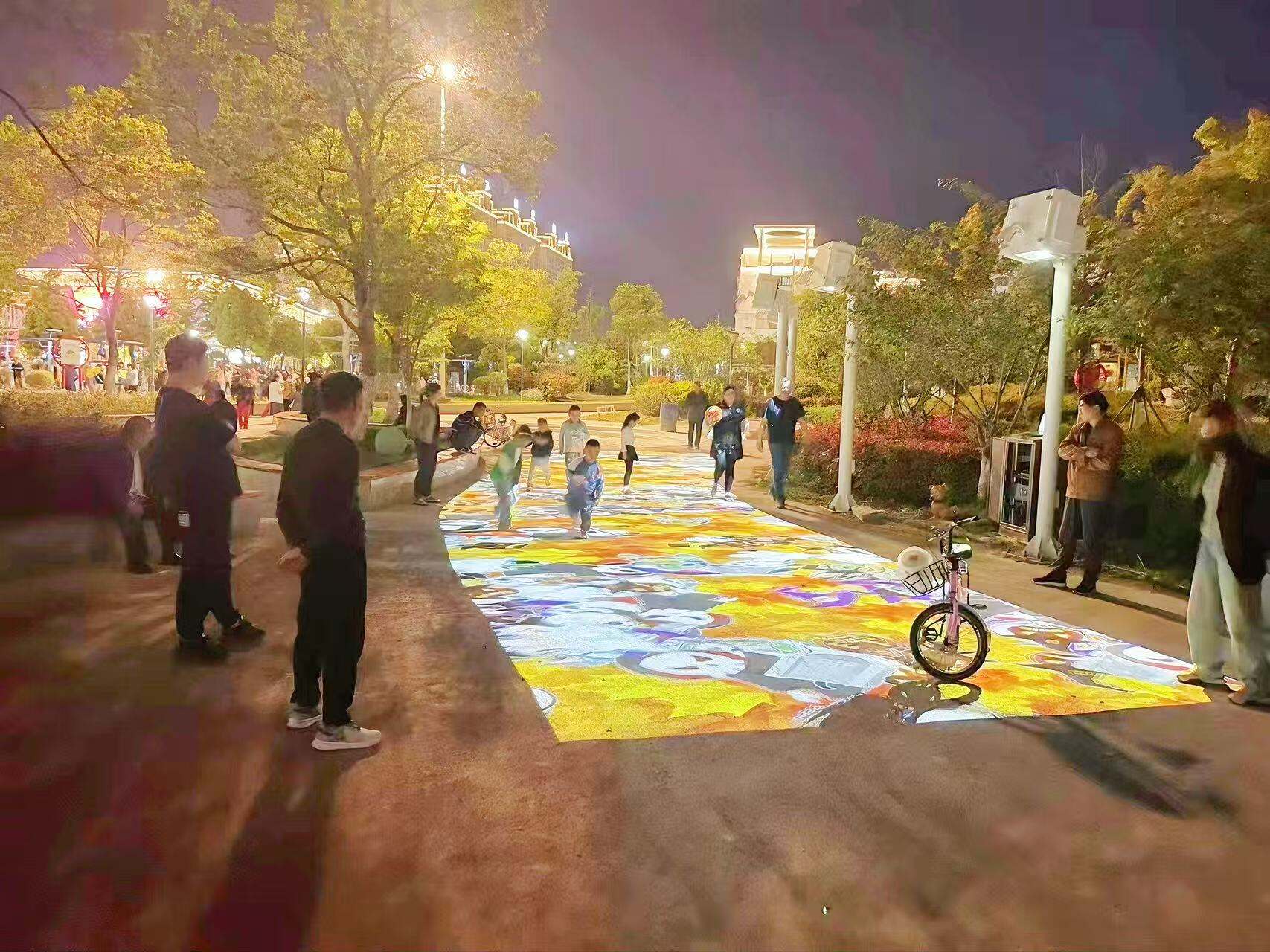
Understanding Projector Measurement Requirements
Core Projector Dimensions
The foundation of selecting the right outdoor projection multi-proof case begins with accurately measuring your projector's length, width, and height. These measurements must include any protruding elements such as lens assemblies, adjustment knobs, input ports, and ventilation grilles. Standard business projectors typically range from 12 to 18 inches in length, 8 to 12 inches in width, and 4 to 8 inches in height, but high-brightness outdoor projectors often exceed these dimensions significantly.
When measuring your projector for an outdoor projection multi-proof case, use a tape measure to record the maximum dimensions at the widest, longest, and tallest points. Include any cables that will remain permanently connected, as these add to the effective size requirements. Document lens extension distances if your projector has zoom or focus adjustments that change the overall length during operation.
Consider the projector's mounting configuration, as ceiling-mount brackets, adjustable arms, or tilt mechanisms can increase the effective footprint within the outdoor projection multi-proof case. Some projectors require specific orientations for optimal cooling, which may influence the internal space allocation and case orientation.
Cable and Connection Clearances
Cable management represents a critical sizing factor often overlooked when selecting an outdoor projection multi-proof case. HDMI, power, network, and control cables require adequate bend radius to prevent damage and signal degradation. Standard HDMI cables need approximately 2 inches of clearance for proper bending, while thicker power cables may require 3 to 4 inches of space.
Plan for cable entry and exit points in your outdoor projection multi-proof case sizing calculations. Sealed cable glands or conduit entries typically add 1 to 2 inches to the required case dimensions, depending on the number of connections and weatherproofing requirements. Consider whether cables will enter from the bottom, sides, or rear of the case, as this affects the internal space allocation.
Future cable additions or changes should factor into your size selection process. An outdoor projection multi-proof case sized with minimal cable clearance may become inadequate if you later need to add control systems, audio connections, or upgrade to higher-bandwidth video cables.
Ventilation and Thermal Management Space
Cooling Airflow Requirements
Proper ventilation spacing is essential for preventing projector overheating within an outdoor projection multi-proof case. Most projectors require 6 to 12 inches of clearance around air intake and exhaust vents for adequate airflow circulation. High-brightness projectors generating 15,000 lumens or more may need even greater clearances to maintain safe operating temperatures.
The internal airflow pattern within your outdoor projection multi-proof case must allow for natural convection or forced air circulation. This typically requires additional height clearance above the projector and space below for cool air intake. Consider the case orientation and how it affects air movement, as horizontal and vertical installations have different thermal management requirements.
Temperature-sensitive components within the projector may require specific clearance zones. Lamp-based projectors generate significant heat around the bulb housing, while laser projectors may have concentrated heat zones near the laser module. Your outdoor projection multi-proof case sizing must accommodate these thermal considerations.
Active Cooling System Integration
Many outdoor projection multi-proof case installations require active cooling systems such as fans, heat exchangers, or air conditioning units. These systems add to the internal space requirements and may need dedicated mounting areas within the case. Calculate the additional volume needed for cooling equipment, including clearance for air circulation and maintenance access.
Forced air cooling systems within an outdoor projection multi-proof case typically require 20 to 40 percent additional internal volume compared to passive cooling approaches. The specific requirements depend on projector heat output, ambient temperature conditions, and case insulation properties.
Consider the power requirements for active cooling systems, as additional electrical connections and control wiring may influence the overall size requirements for your outdoor projection multi-proof case. Integration with building automation systems may require additional space for control modules and communication equipment.
Installation and Mounting Considerations
Structural Support Requirements
The structural requirements for mounting an outdoor projection multi-proof case significantly influence size selection decisions. Larger cases require more robust mounting systems and may exceed the load capacity of standard ceiling or wall mounts. Consider the total weight including the case, projector, cooling systems, and any additional equipment when determining size limitations.
Wind load calculations become critical for larger outdoor projection multi-proof case installations, particularly in exposed locations. The case surface area exposed to wind creates forces that must be transferred through the mounting system to the building structure. Larger cases may require specialized mounting hardware or structural reinforcement.
Access requirements for installation and maintenance may dictate minimum size parameters for your outdoor projection multi-proof case. Technicians need adequate space to position and secure the projector within the case, connect cables, and perform routine maintenance procedures.
Environmental Clearance Factors
Environmental factors such as snow load, ice accumulation, and thermal expansion affect the practical sizing of an outdoor projection multi-proof case. In regions with significant snowfall, the case must be sized and positioned to prevent snow accumulation that could block ventilation or create structural loads.
Consider the clearance requirements around the outdoor projection multi-proof case for inspection, cleaning, and maintenance activities. Building codes may specify minimum clearances from property lines, walkways, or other structures. These external clearance requirements can influence the maximum practical size for your installation.
Thermal expansion and contraction of the outdoor projection multi-proof case materials can affect fit and clearances over time. Allow for seasonal dimensional changes, particularly in extreme climate applications where temperature swings exceed 100 degrees Fahrenheit.
Future-Proofing and Flexibility Planning
Technology Upgrade Considerations
Projector technology evolves rapidly, and your outdoor projection multi-proof case sizing should accommodate potential future upgrades. Next-generation projectors may have different dimensions, cooling requirements, or connection needs that could render an exactly-sized case obsolete.
Consider sizing your outdoor projection multi-proof case with 15 to 25 percent additional internal volume beyond current requirements. This extra space provides flexibility for technology changes, additional equipment, or modified installation requirements without necessitating a complete case replacement.
Evaluate the long-term service life expectations for your outdoor projection system. Installations expected to operate for 10 to 15 years should incorporate more generous sizing to accommodate multiple projector generations and evolving connectivity standards.
Multi-Equipment Configurations
Some installations benefit from housing additional equipment within the outdoor projection multi-proof case, such as media players, control processors, network switches, or backup systems. Plan for these possibilities during size selection to avoid future space constraints.
Redundancy requirements may dictate space for backup projectors or dual-projector configurations within a single outdoor projection multi-proof case. These applications typically require significantly larger cases with sophisticated internal mounting and cooling systems.
Consider whether your installation might evolve from single-projector to multi-projector configurations for increased brightness or projection mapping applications. An appropriately sized outdoor projection multi-proof case can accommodate these expansions more cost-effectively than complete system replacements.
FAQ
What happens if I choose an outdoor projection multi-proof case that's too small?
An undersized outdoor projection multi-proof case can lead to inadequate ventilation, projector overheating, cable damage from tight bends, and difficulty accessing the projector for maintenance. These issues often result in reduced projector lifespan, frequent shutdowns due to thermal protection, and increased service costs. The case may also be impossible to properly weatherproof if components extend beyond the designed protection boundaries.
How much extra space should I allow beyond my projector's exact dimensions?
Generally, allow at least 4 to 6 inches of clearance on all sides of your projector within the outdoor projection multi-proof case for basic installations. High-brightness projectors or extreme climate applications may require 8 to 12 inches of clearance for proper thermal management. Include additional space for cables, typically 2 to 4 inches, and consider 15 to 25 percent extra volume for future flexibility.
Can I use the same case size for different projector models?
While a properly sized outdoor projection multi-proof case can accommodate projectors of similar dimensions, each model has specific ventilation, mounting, and connection requirements. Verify that air intake and exhaust positions align properly, mounting points are compatible, and cable access remains adequate. Some adjustability in mounting hardware can help adapt a case to different projector models within a reasonable size range.
Do environmental conditions affect the size requirements for outdoor projection cases?
Yes, extreme environmental conditions significantly impact sizing requirements. Hot climates require larger cases for enhanced cooling capacity, while cold environments may need space for heating elements. High-humidity locations benefit from additional space for desiccants or dehumidification systems. Coastal installations may require extra clearance for corrosion-resistant components, and areas with extreme temperature swings need allowances for thermal expansion and contraction.
Table of Contents
- Understanding Projector Measurement Requirements
- Ventilation and Thermal Management Space
- Installation and Mounting Considerations
- Future-Proofing and Flexibility Planning
-
FAQ
- What happens if I choose an outdoor projection multi-proof case that's too small?
- How much extra space should I allow beyond my projector's exact dimensions?
- Can I use the same case size for different projector models?
- Do environmental conditions affect the size requirements for outdoor projection cases?