
 EN
EN
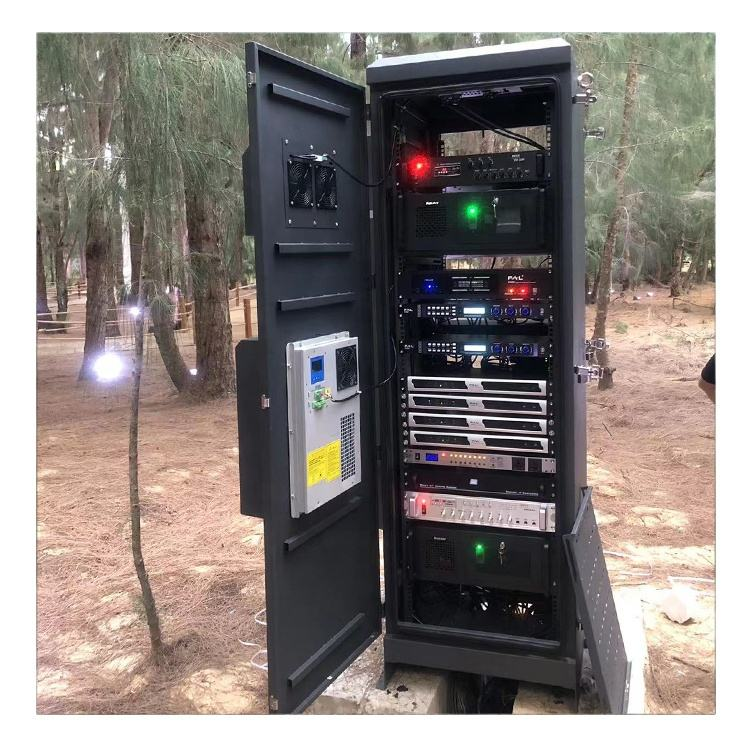
Selecting the appropriate outdoor network cabinet sheet metal fabrication is crucial for maintaining reliable telecommunications infrastructure in challenging environmental conditions. The quality of outdoor network cabinet sheet metal fabrication directly impacts the longevity and performance of critical network equipment housed within these protective enclosures. Understanding the key factors that influence fabrication quality helps organizations make informed decisions when investing in durable outdoor network solutions.
Modern telecommunications networks require robust protection for sensitive equipment deployed in outdoor environments. Weather resistance, security features, and thermal management capabilities are fundamental considerations that determine the effectiveness of outdoor network cabinet sheet metal fabrication. Professional fabrication techniques ensure these enclosures meet industry standards while providing long-term reliability in diverse climatic conditions.
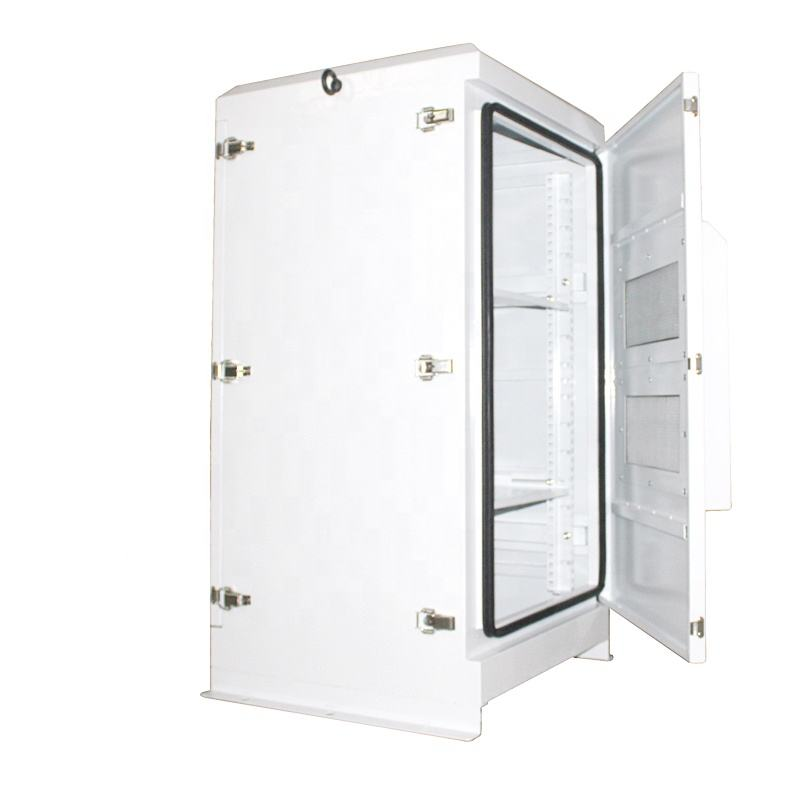
Material Selection and Properties
Steel Grade Classifications for Outdoor Applications
Premium outdoor network cabinet sheet metal fabrication begins with selecting appropriate steel grades that offer superior corrosion resistance and structural integrity. Galvanized steel and stainless steel variants provide different levels of protection against environmental factors such as moisture, salt air, and temperature fluctuations. The choice between these materials significantly affects the cabinet's service life and maintenance requirements.
Carbon steel with protective coatings represents another viable option for outdoor network cabinet sheet metal fabrication projects where cost considerations are paramount. However, the long-term durability of coated carbon steel depends heavily on proper surface preparation and coating application techniques. Understanding the trade-offs between initial cost and lifecycle performance helps organizations optimize their infrastructure investments.
Thickness Specifications and Load Bearing Requirements
Sheet metal thickness directly correlates with the structural strength and durability of outdoor network cabinets. Professional outdoor network cabinet sheet metal fabrication typically employs materials ranging from 14-gauge to 12-gauge thickness, depending on the specific application requirements and equipment load. Thicker materials provide enhanced protection against physical damage and offer better thermal stability.
Load bearing calculations must account for equipment weight, wind loads, and potential seismic forces that affect outdoor installations. Proper outdoor network cabinet sheet metal fabrication considers these dynamic loads during the design phase to ensure structural integrity throughout the cabinet's operational life. Engineering analysis helps determine optimal material thickness while maintaining cost effectiveness.
Environmental Protection Features
Weatherproofing and Ingress Protection Standards
Effective weatherproofing represents a critical aspect of quality outdoor network cabinet sheet metal fabrication that protects valuable equipment from moisture infiltration. IP65 or higher ingress protection ratings ensure cabinets maintain environmental integrity under extreme weather conditions including heavy rainfall, snow, and dust storms. Proper gasket selection and installation techniques contribute significantly to achieving these protection levels.
Advanced sealing technologies integrated into outdoor network cabinet sheet metal fabrication processes create multiple barriers against environmental intrusion. Overlapping joints, drainage channels, and strategic placement of access points minimize potential leak paths while maintaining necessary ventilation for equipment cooling. These design elements require careful coordination during the fabrication process to achieve optimal results.
Corrosion Prevention and Surface Treatments
Comprehensive corrosion prevention strategies are essential components of professional outdoor network cabinet sheet metal fabrication services. Multi-layer coating systems that include zinc phosphate primers, epoxy intermediates, and polyurethane topcoats provide long-lasting protection against rust and degradation. The application sequence and curing conditions significantly impact coating performance and adhesion.
Hot-dip galvanizing offers superior corrosion protection for outdoor network cabinet sheet metal fabrication applications in highly corrosive environments. This process creates a metallurgical bond between zinc and steel that provides sacrificial protection even when the coating is damaged. Understanding the benefits and limitations of different surface treatments helps specify appropriate protection levels for specific deployment scenarios.
Thermal Management Considerations
Heat Dissipation Design Elements
Effective thermal management is crucial for outdoor network cabinet sheet metal fabrication projects that house heat-generating telecommunications equipment. Proper ventilation design incorporates natural convection principles and strategic placement of inlet and outlet openings to maintain optimal operating temperatures. Heat transfer calculations help determine appropriate ventilation sizing and positioning.
Advanced outdoor network cabinet sheet metal fabrication techniques include integrated heat sinks, thermal barriers, and reflective surfaces that minimize heat buildup within the enclosure. These features work in combination with ventilation systems to create stable thermal environments for sensitive electronic components. Thermal modeling during the design phase helps optimize these elements for specific equipment configurations.
Insulation and Temperature Stability
Temperature stability requirements vary significantly based on geographic location and specific equipment specifications housed within outdoor network cabinets. Professional outdoor network cabinet sheet metal fabrication incorporates appropriate insulation materials and thermal breaks to minimize temperature fluctuations. These design elements help maintain consistent operating conditions throughout daily and seasonal temperature cycles.
Condensation prevention represents another critical aspect of thermal management in outdoor network cabinet sheet metal fabrication. Proper vapor barriers, drainage systems, and humidity control measures prevent moisture accumulation that could damage sensitive electronics. Understanding psychrometric principles helps optimize cabinet design for specific climatic conditions and equipment requirements.
Security and Access Control Integration
Physical Security Features
Robust physical security measures are integral components of comprehensive outdoor network cabinet sheet metal fabrication solutions. Multi-point locking systems, reinforced hinges, and tamper-evident hardware provide multiple layers of protection against unauthorized access. The integration of these security features requires careful planning during the fabrication process to maintain structural integrity.
Advanced security options available through specialized outdoor network cabinet sheet metal fabrication include biometric access controls, electronic monitoring systems, and alarm integration capabilities. These sophisticated features require precise coordination between mechanical fabrication and electronic system installation to ensure reliable operation in outdoor environments.
Maintenance Access and Serviceability
Thoughtful design of maintenance access points enhances the serviceability of outdoor network cabinet installations while maintaining security and environmental protection. Professional outdoor network cabinet sheet metal fabrication considers technician workflow requirements and incorporates appropriate door configurations, cable management systems, and equipment mounting arrangements. These features reduce service time and improve maintenance safety.
Modular design approaches in outdoor network cabinet sheet metal fabrication allow for future equipment upgrades and configuration changes without compromising cabinet integrity. Standardized mounting systems, removable panels, and flexible cable routing options provide adaptability for evolving network requirements. This forward-thinking approach maximizes the useful life of cabinet investments.
Quality Assurance and Testing Protocols
Manufacturing Quality Control Standards
Comprehensive quality control measures throughout the outdoor network cabinet sheet metal fabrication process ensure consistent product performance and reliability. Dimensional accuracy checks, weld quality inspections, and surface finish evaluations are performed at multiple stages of production. These quality checkpoints help identify and address potential issues before final assembly and delivery.
Third-party certifications and compliance testing verify that outdoor network cabinet sheet metal fabrication meets relevant industry standards and regulatory requirements. Environmental testing protocols simulate real-world conditions to validate performance characteristics such as temperature cycling, humidity exposure, and vibration resistance. These comprehensive evaluations provide confidence in long-term product reliability.
Field Performance Validation
Real-world performance validation represents the ultimate test of outdoor network cabinet sheet metal fabrication quality and design effectiveness. Field monitoring systems track key performance indicators such as internal temperature, humidity levels, and structural integrity over extended periods. This data helps refine fabrication techniques and improve future product designs.
Preventive maintenance protocols developed based on field experience help maximize the service life of outdoor network cabinet installations. Understanding common wear patterns and failure modes enables optimization of outdoor network cabinet sheet metal fabrication processes to address these challenges proactively. Continuous improvement efforts based on field feedback enhance product reliability and customer satisfaction.
Cost Optimization Strategies
Value Engineering Approaches
Strategic value engineering during the design phase of outdoor network cabinet sheet metal fabrication projects can significantly reduce costs without compromising essential performance characteristics. Analysis of material specifications, fabrication techniques, and feature requirements helps identify optimization opportunities. These efforts focus on eliminating unnecessary complexity while maintaining functional requirements.
Standardization of design elements across multiple outdoor network cabinet sheet metal fabrication projects enables economies of scale and reduces manufacturing costs. Common components, fasteners, and assembly processes streamline production workflows and minimize inventory requirements. This approach benefits both manufacturers and end users through reduced costs and improved availability.
Lifecycle Cost Considerations
Total cost of ownership analysis provides a comprehensive framework for evaluating outdoor network cabinet sheet metal fabrication alternatives. Initial purchase costs represent only one component of lifecycle expenses that also include installation, maintenance, energy consumption, and eventual replacement costs. Understanding these relationships helps organizations make informed investment decisions.
Extended warranty programs and service agreements available with premium outdoor network cabinet sheet metal fabrication solutions can significantly reduce long-term ownership costs. These programs provide predictable maintenance expenses and ensure access to qualified service technicians familiar with specific product designs. Evaluating these options as part of the procurement process helps optimize total value delivery.
FAQ
What factors determine the appropriate thickness for outdoor network cabinet sheet metal
The appropriate thickness for outdoor network cabinet sheet metal fabrication depends on several factors including equipment weight, environmental conditions, and security requirements. Heavier equipment loads require thicker materials to provide adequate structural support, while harsh environmental conditions may necessitate increased thickness for enhanced durability. Security considerations also influence thickness selection, as thicker materials offer better resistance to tampering and forced entry attempts.
How do coating systems affect the longevity of outdoor network cabinets
Coating systems play a crucial role in outdoor network cabinet sheet metal fabrication longevity by providing protection against corrosion, UV degradation, and chemical attack. Multi-layer coating systems offer superior protection compared to single-layer applications, with each layer serving specific protective functions. Proper surface preparation and application techniques are essential for achieving optimal coating performance and maximizing cabinet service life.
What environmental testing standards apply to outdoor network cabinets
Outdoor network cabinet sheet metal fabrication must comply with various environmental testing standards including NEMA ratings for electrical enclosures, IP ratings for ingress protection, and UL standards for safety compliance. Additional testing may include temperature cycling, humidity exposure, salt spray testing for corrosion resistance, and vibration testing for seismic applications. These standards ensure cabinets can withstand specified environmental conditions throughout their operational life.
How can organizations optimize the cost-effectiveness of outdoor network cabinet investments
Organizations can optimize cost-effectiveness in outdoor network cabinet sheet metal fabrication through comprehensive lifecycle cost analysis, standardization of specifications across multiple projects, and selection of appropriate quality levels for specific applications. Value engineering approaches help eliminate unnecessary features while maintaining essential performance requirements. Additionally, considering extended warranty programs and service agreements can provide predictable maintenance costs and ensure long-term reliability.
Table of Contents
- Material Selection and Properties
- Environmental Protection Features
- Thermal Management Considerations
- Security and Access Control Integration
- Quality Assurance and Testing Protocols
- Cost Optimization Strategies
-
FAQ
- What factors determine the appropriate thickness for outdoor network cabinet sheet metal
- How do coating systems affect the longevity of outdoor network cabinets
- What environmental testing standards apply to outdoor network cabinets
- How can organizations optimize the cost-effectiveness of outdoor network cabinet investments