
 EN
EN
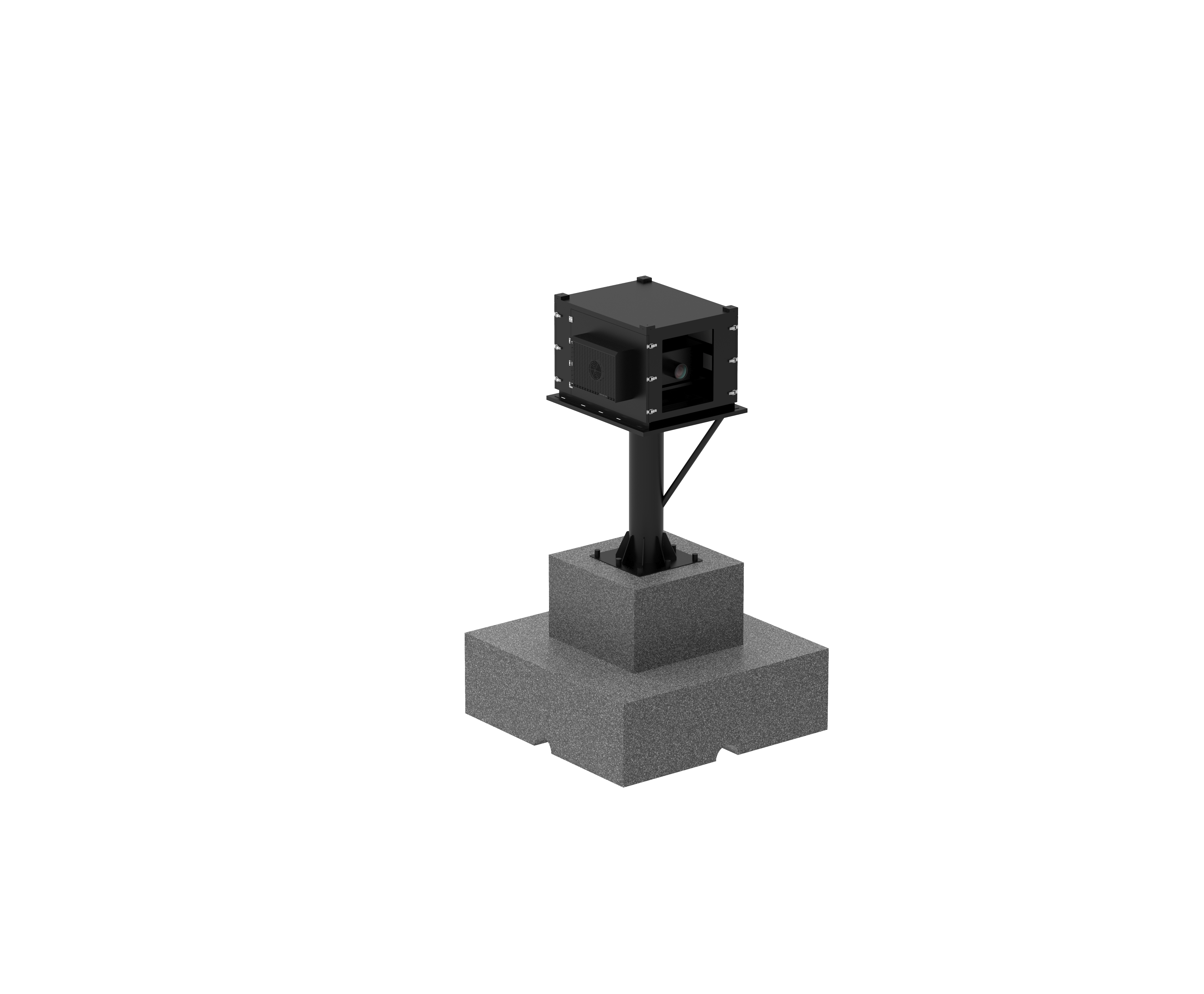
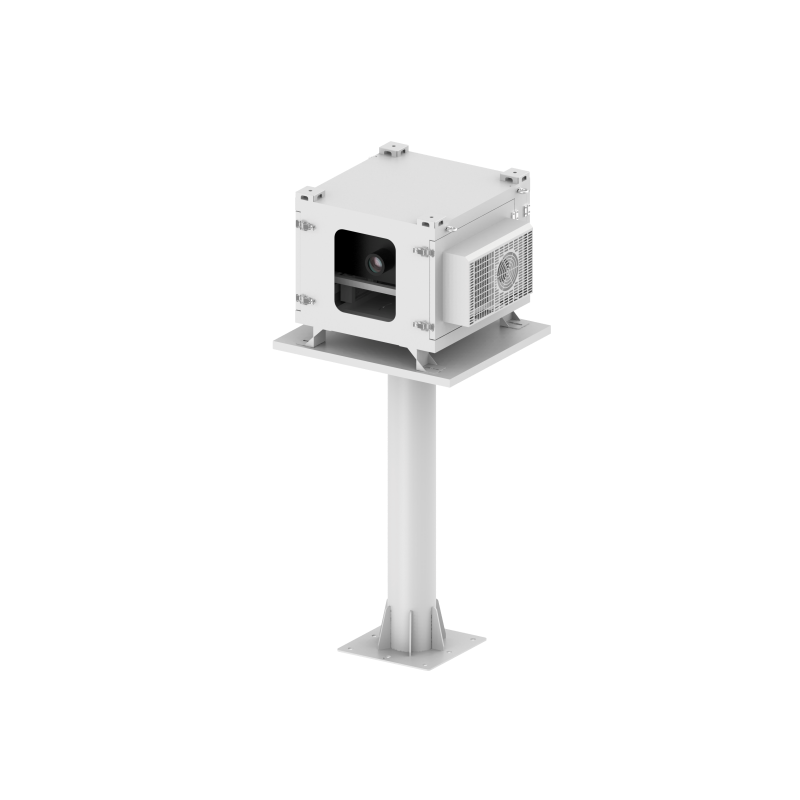
Investing in professional projection equipment for outdoor applications requires careful consideration of environmental protection. Weather conditions pose significant threats to expensive projectors, with moisture, temperature fluctuations, dust, and UV radiation capable of causing irreversible damage. An outdoor projector enclosure serves as the primary defense mechanism, safeguarding valuable equipment while ensuring consistent performance across diverse environmental conditions. Understanding the protective capabilities and selection criteria for these specialized housings becomes crucial for organizations deploying projection systems in external environments.
Environmental Threats to Outdoor Projection Equipment
Moisture and Water Damage Prevention
Moisture represents the most immediate threat to electronic projection equipment in outdoor settings. Rain, snow, humidity, and condensation can penetrate sensitive internal components, causing short circuits, corrosion, and permanent system failure. Professional outdoor projector enclosure designs incorporate advanced sealing technologies and drainage systems to maintain completely dry internal environments. These protective measures include rubber gaskets, weatherproof joints, and strategic ventilation that prevents moisture accumulation while maintaining optimal operating temperatures.
High humidity levels pose additional challenges, creating condensation inside projection units when temperature differences occur. Quality enclosure systems utilize active climate control mechanisms, including dehumidification systems and temperature regulation, ensuring internal conditions remain stable regardless of external weather patterns. The integration of desiccant materials and moisture sensors provides continuous monitoring and protection against humidity-related damage.
Temperature Fluctuation Management
Extreme temperatures significantly impact projector performance and longevity, with both excessive heat and freezing conditions causing component degradation. An outdoor projector enclosure must provide effective thermal management through insulation, ventilation, and active cooling or heating systems. Professional-grade enclosures maintain internal temperatures within manufacturer-specified operating ranges, preventing thermal stress and ensuring consistent image quality regardless of ambient conditions.
Thermal cycling, the repeated expansion and contraction of electronic components due to temperature changes, accelerates equipment aging and reduces operational lifespan. Advanced enclosure designs incorporate thermal buffers and gradual temperature adjustment mechanisms, minimizing thermal shock and protecting sensitive projection components from rapid environmental changes.
Physical Protection and Security Features
Impact Resistance and Structural Integrity
Outdoor environments expose projection equipment to physical hazards including wind-blown debris, falling objects, and potential vandalism. A robust outdoor projector enclosure provides comprehensive physical protection through reinforced construction materials and impact-resistant designs. Industrial-grade aluminum and steel housing materials offer superior durability while maintaining lightweight characteristics essential for installation flexibility.
Structural engineering considerations include wind load resistance, seismic stability, and mounting system integrity. Professional enclosures undergo rigorous testing to ensure compliance with local building codes and environmental standards. The incorporation of shock-absorbing materials and flexible mounting systems protects sensitive optical components from vibration and sudden impacts that could misalign projection systems or damage internal mechanisms.
Security and Access Control
Theft and unauthorized access represent significant concerns for valuable outdoor projection installations. Modern enclosure systems integrate advanced security features including tamper-resistant locks, alarm systems, and access logging capabilities. Multiple locking mechanisms and reinforced access panels deter casual theft attempts while providing authorized personnel with convenient maintenance access.
Electronic monitoring systems within premium outdoor projector enclosure models provide real-time security alerts and operational status updates. Integration with existing security infrastructure enables comprehensive surveillance and immediate response to potential threats or system malfunctions, ensuring equipment protection and operational continuity.
Climate Control and Air Management Systems
Ventilation and Air Circulation
Proper ventilation represents a critical aspect of outdoor projector enclosure design, balancing environmental protection with necessary air circulation for equipment cooling. Sophisticated ventilation systems incorporate filtered air intake and exhaust mechanisms, preventing dust and debris infiltration while maintaining optimal internal temperatures. Variable-speed fans and automated dampers adjust airflow based on real-time temperature and humidity measurements.
Air filtration systems within quality enclosures protect sensitive optical components from environmental contaminants. HEPA-grade filters remove particulates, pollen, and other airborne materials that could accumulate on lenses or internal surfaces, maintaining image clarity and preventing equipment degradation over extended operational periods.
Active Climate Control Features
Advanced outdoor projector enclosure systems incorporate active climate control technologies, including heating, cooling, and dehumidification capabilities. These systems automatically adjust internal conditions based on sensor feedback, ensuring optimal operating environments regardless of external weather variations. Energy-efficient designs minimize power consumption while providing reliable environmental control throughout varying seasonal conditions.
Smart control systems enable remote monitoring and adjustment of climate parameters, allowing facility managers to optimize performance and energy consumption from centralized locations. Integration with building management systems provides comprehensive operational oversight and predictive maintenance scheduling based on environmental data and usage patterns.
Installation and Maintenance Considerations
Site Preparation and Mounting Requirements
Successful outdoor projector enclosure installation requires careful site evaluation and proper foundation preparation. Structural engineers must assess wind loads, drainage requirements, and accessibility needs to ensure safe and effective deployment. Concrete foundations or reinforced mounting structures provide necessary stability for larger enclosure systems, while modular designs offer flexibility for temporary installations.
Cable management and utility connections require weatherproof solutions integrated with the enclosure design. Professional installations incorporate conduit systems, junction boxes, and surge protection devices to safeguard electrical connections from environmental exposure and power fluctuations that could damage expensive projection equipment.
Routine Maintenance and Service Access
Regular maintenance becomes essential for ensuring continued protection and optimal performance of outdoor projection systems. Well-designed enclosures provide convenient service access through removable panels and organized internal layouts that facilitate routine inspections and component replacement. Maintenance scheduling should account for filter replacement, seal inspection, and climate system servicing to maintain protective capabilities.
Documentation and service records enable proactive maintenance planning and warranty compliance for both the enclosure and protected projection equipment. Professional maintenance programs often include remote monitoring capabilities that alert technicians to potential issues before they result in system failures or equipment damage.
Technology Integration and Future-Proofing
Smart Monitoring and Control Systems
Modern outdoor projector enclosure systems incorporate intelligent monitoring technologies that provide real-time status updates and predictive maintenance alerts. Sensor networks monitor temperature, humidity, vibration, and security parameters, transmitting data to centralized management platforms for comprehensive system oversight. These smart features enable proactive maintenance scheduling and immediate response to environmental threats or system anomalies.
Integration capabilities with existing facility management systems streamline operations and reduce maintenance costs through automated reporting and alert systems. Advanced models feature mobile applications and web-based interfaces that provide remote access to system controls and performance data, enabling efficient management of multiple installation sites from centralized locations.
Expandability and Upgrade Options
Future-proofing considerations include modular designs that accommodate equipment upgrades and technology advancement without requiring complete enclosure replacement. Standardized mounting systems and expandable cable management facilitate projector upgrades and additional component integration as needs evolve over time. This flexibility protects initial investments while enabling organizations to adapt to changing technological requirements.
Power management systems within premium outdoor projector enclosure models support various equipment configurations and energy requirements. Scalable power distribution and conditioning capabilities ensure compatibility with next-generation projection technologies while maintaining environmental protection standards and operational reliability.
FAQ
What weatherproofing rating should I look for in an outdoor projector enclosure?
Professional outdoor projector enclosure systems should meet minimum IP65 ratings for dust and water protection, though IP66 or higher ratings provide superior protection for harsh environments. NEMA 4X ratings ensure additional corrosion resistance and structural durability essential for long-term outdoor installations.
How do outdoor projector enclosures maintain proper ventilation while excluding moisture?
Advanced enclosure designs utilize labyrinth-style air paths, hydrophobic filters, and pressure differential systems that allow necessary airflow while preventing water infiltration. Active ventilation systems with moisture sensors automatically adjust airflow patterns to maintain optimal internal conditions without compromising weatherproof protection.
Can outdoor projector enclosures accommodate different projector sizes and brands?
Quality enclosure manufacturers offer customizable internal configurations and universal mounting systems that accommodate various projector models and sizes. Adjustable mounting brackets and modular component layouts provide flexibility for equipment changes while maintaining proper cooling airflow and access for maintenance procedures.
What ongoing maintenance is required for outdoor projector enclosures?
Regular maintenance includes filter replacement every 3-6 months, seal inspection and replacement as needed, cleaning of ventilation components, and verification of climate control system operation. Professional maintenance schedules typically include quarterly inspections and annual comprehensive servicing to ensure continued protection and optimal performance of both the enclosure and protected projection equipment.
Table of Contents
- Environmental Threats to Outdoor Projection Equipment
- Physical Protection and Security Features
- Climate Control and Air Management Systems
- Installation and Maintenance Considerations
- Technology Integration and Future-Proofing
-
FAQ
- What weatherproofing rating should I look for in an outdoor projector enclosure?
- How do outdoor projector enclosures maintain proper ventilation while excluding moisture?
- Can outdoor projector enclosures accommodate different projector sizes and brands?
- What ongoing maintenance is required for outdoor projector enclosures?