
 EN
EN
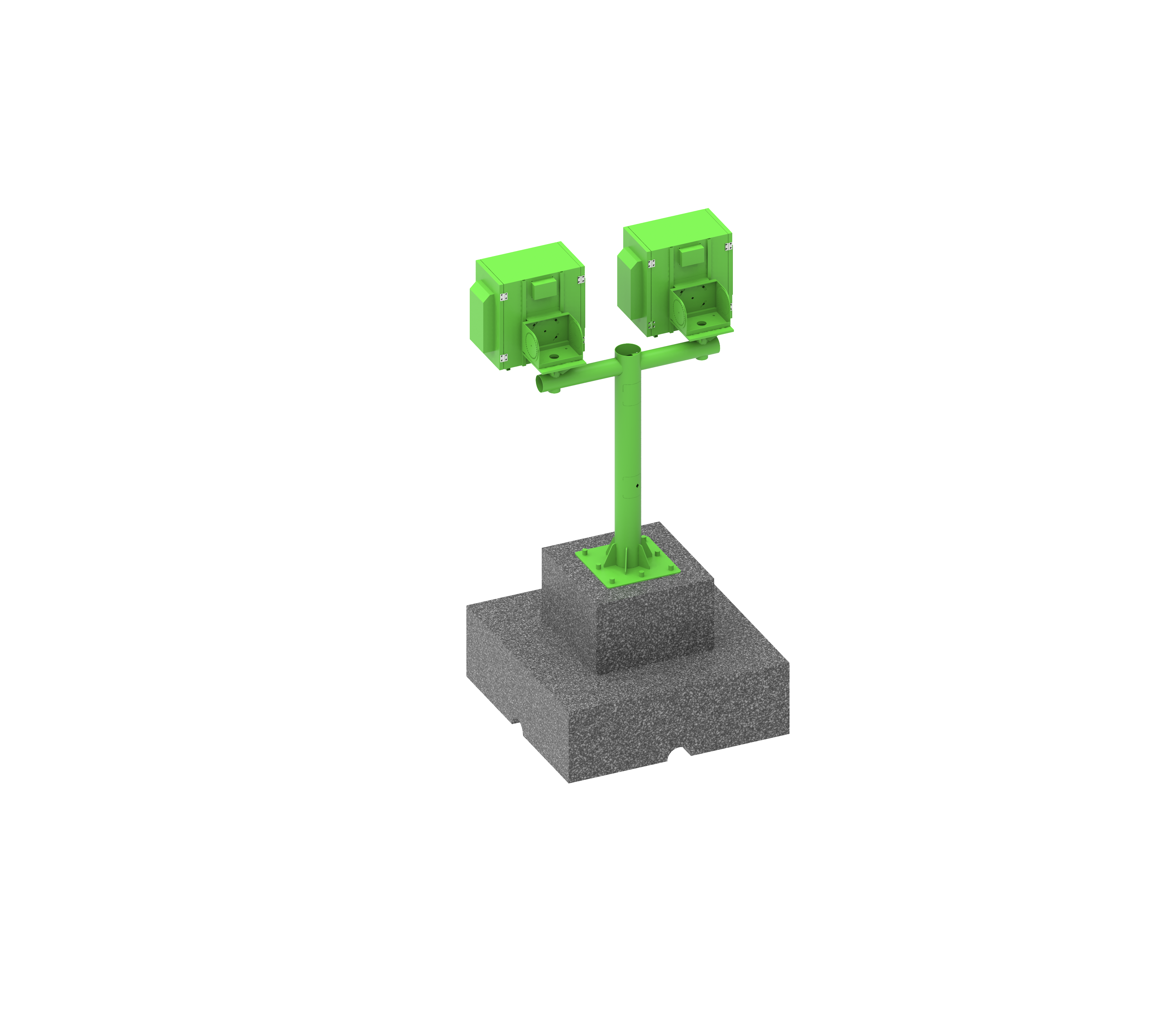
Modern entertainment and commercial applications increasingly demand reliable projection solutions that can withstand harsh outdoor environments. An outdoor projector enclosure serves as the critical protective barrier between expensive projection equipment and the elements, ensuring consistent performance regardless of weather conditions. These specialized protective housings have revolutionized how businesses and homeowners approach outdoor entertainment, digital signage, and educational presentations by providing the durability and environmental protection necessary for year-round operation.
Essential Weather Protection Features
Waterproof Sealing Technology
The foundation of any effective outdoor projector enclosure lies in its ability to prevent water ingress through advanced sealing mechanisms. Professional-grade enclosures typically feature IP65 or higher ratings, which guarantee complete protection against dust particles and powerful water jets from any direction. These enclosures incorporate multiple layers of protection, including gasket seals, weatherstripping, and drainage channels that redirect moisture away from sensitive electronic components. The sealing system must maintain its integrity across temperature fluctuations and repeated opening cycles, ensuring long-term reliability in demanding outdoor applications.
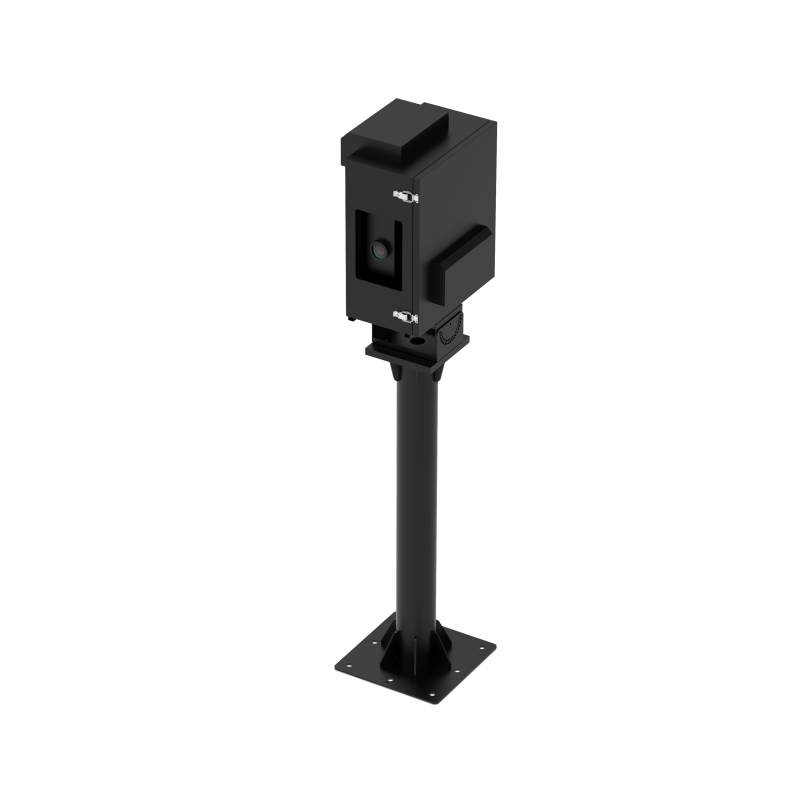
High-quality waterproofing extends beyond basic moisture protection to include resistance against humidity, condensation, and even submersion scenarios. Advanced enclosures utilize breathable membrane technology that allows internal air circulation while blocking water vapor, preventing the internal humidity buildup that can damage projector lenses and electronic circuits. This sophisticated approach to moisture management ensures that projectors remain operational even during extended periods of high humidity or sudden weather changes.
UV-Resistant Material Construction
Prolonged exposure to ultraviolet radiation poses a significant threat to both the enclosure materials and the internal projector components. Premium outdoor projector enclosures utilize UV-stabilized materials such as marine-grade aluminum, stainless steel, or specially treated polymers that resist degradation, discoloration, and brittleness over time. These materials maintain their structural integrity and protective properties even after years of continuous sun exposure, ensuring consistent performance throughout the enclosure's operational lifespan.
The UV protection strategy also includes specialized coatings and surface treatments that reflect harmful radiation while maintaining optical clarity for viewing windows or ventilation areas. These protective measures prevent the internal temperature buildup that can occur when enclosures absorb excessive solar energy, contributing to the overall thermal management strategy essential for projector longevity.
Advanced Thermal Management Systems
Active Cooling Solutions
Effective thermal management represents one of the most critical aspects of outdoor projector enclosure design, as projectors generate substantial heat during operation that must be dissipated to prevent component failure. Professional enclosures incorporate sophisticated cooling systems ranging from passive heat sinks and thermal conductors to active fan-based ventilation and even air conditioning units for extreme environments. These systems work continuously to maintain optimal internal temperatures, preventing the thermal stress that can dramatically reduce projector lifespan and image quality.
The most advanced outdoor projector enclosure systems feature intelligent temperature monitoring and automatic fan speed adjustment based on internal conditions and external ambient temperatures. This smart cooling approach optimizes energy efficiency while ensuring adequate heat dissipation, automatically ramping up cooling capacity during peak summer temperatures or high-intensity projection sessions.
Insulation and Heat Dissipation
Beyond active cooling, superior outdoor projector enclosures employ strategic insulation placement and heat dissipation pathways that work passively to regulate internal temperatures. Multi-layer insulation systems create thermal barriers that prevent external heat from entering the enclosure while allowing internal heat to escape through designated channels and heat sinks. This dual approach minimizes the workload on active cooling systems while providing backup thermal protection during power outages or system failures.
The heat dissipation design also considers thermal bridging prevention, using materials and construction techniques that eliminate pathways for unwanted heat transfer. Strategic placement of thermal breaks and the use of materials with different thermal conductivity properties create a comprehensive thermal management system that maintains stable internal temperatures across varying external conditions.
Security and Theft Prevention
Robust Locking Mechanisms
Security considerations play a crucial role in outdoor projector enclosure design, as these installations often contain expensive equipment in accessible locations. Professional-grade enclosures feature multiple locking points, tamper-resistant hardware, and reinforced access panels that deter casual theft while providing legitimate users with convenient access for maintenance and operation. Advanced locking systems may include electronic locks, key card access, or even biometric authentication for high-security applications.
The locking mechanism design must balance security with operational convenience, allowing authorized personnel to quickly access the projector for lamp changes, cleaning, or troubleshooting while maintaining robust protection against unauthorized entry. Many outdoor projector enclosures incorporate alarm systems or monitoring capabilities that alert security personnel to tampering attempts or unauthorized access.
Vandal-Resistant Construction
Public installations of outdoor projector enclosures face additional challenges from vandalism and intentional damage, requiring specialized construction techniques and materials that can withstand impact, scratching, and other forms of abuse. Heavy-gauge steel construction, reinforced mounting points, and impact-resistant viewing windows provide the structural integrity necessary to protect valuable projection equipment in high-risk environments.
Vandal-resistant features extend to all external components, including cooling vents, cable connections, and mounting hardware, ensuring that the entire outdoor projector enclosure system maintains its protective capabilities even when subjected to deliberate attempts at damage or interference.
Installation and Mounting Versatility
Adjustable Mounting Systems
The installation flexibility of an outdoor projector enclosure directly impacts its suitability for various applications and environments. Professional enclosures offer multiple mounting options, including pole mounting, wall mounting, ceiling suspension, and ground-based installations, each with adjustable positioning capabilities that accommodate different projection angles and distances. This versatility ensures optimal image placement while maintaining the protective benefits of the enclosure system.
Advanced mounting systems incorporate vibration dampening and stability features that prevent image shake caused by wind, traffic, or other environmental factors. These systems must support the combined weight of the enclosure and projector while maintaining precise positioning over time, requiring robust engineering and high-quality materials throughout the mounting assembly.
Cable Management Integration
Effective cable management represents a critical but often overlooked aspect of outdoor projector enclosure design, as improper wire routing can compromise both the protective seal and the overall system reliability. Professional enclosures incorporate weatherproof cable entry points, strain relief systems, and internal wire management channels that protect electrical connections while maintaining easy access for installation and maintenance.
The cable management system must accommodate various connection types, including power, video, audio, and control signals, while maintaining the enclosure's environmental protection rating. Sealed cable glands, waterproof connectors, and internal junction boxes ensure that all electrical connections remain dry and secure regardless of external weather conditions.
Maintenance and Accessibility Features
User-Friendly Access Panels
Regular maintenance requirements for projectors necessitate convenient access to internal components without compromising the protective capabilities of the outdoor projector enclosure. Well-designed enclosures feature large access panels with smooth operation, clear sight lines to all projector components, and sufficient internal space for technician movement and tool usage. These access features significantly reduce maintenance time and complexity while ensuring that routine service can be performed safely and efficiently.
The access panel design must maintain weather sealing integrity through repeated opening and closing cycles, utilizing high-quality hinges, latches, and sealing systems that perform reliably over thousands of operation cycles. Some advanced outdoor projector enclosures include removable panels or sliding access systems that provide even greater flexibility for maintenance and equipment replacement procedures.
Internal Component Protection
Beyond protecting the projector from external elements, superior outdoor projector enclosures provide internal organization and protection features that enhance equipment longevity and maintenance efficiency. Internal mounting systems, cable routing guides, and component isolation help prevent damage during service procedures while ensuring optimal airflow and heat dissipation around all internal components.
The internal protection strategy also includes vibration isolation, electromagnetic shielding, and dust filtration systems that create an optimal operating environment for sensitive projection equipment. These features work together to extend projector lifespan while maintaining consistent image quality and reducing the frequency of required maintenance interventions.
FAQ
What IP rating should I look for in an outdoor projector enclosure
For most outdoor applications, an IP65 rating provides excellent protection against dust and water jets from any direction, making it suitable for permanent installations in various weather conditions. However, installations in extremely harsh environments or areas prone to flooding may benefit from IP66 or IP67 ratings, which offer protection against heavy seas or temporary submersion. The specific IP rating requirement depends on your local climate conditions, installation location, and the level of protection needed for your particular projector model.
How do I determine the correct cooling capacity for my outdoor projector enclosure
Cooling capacity calculation depends on several factors including projector heat output, ambient temperature range, enclosure size, and installation location. Most projector manufacturers specify heat output in BTUs or watts, which should be matched with cooling system capacity that includes a safety margin of at least 25-50%. Professional installations often require consultation with thermal engineers to ensure adequate cooling for peak summer temperatures and high-intensity projection scenarios.
Can outdoor projector enclosures accommodate different projector brands and models
Many professional outdoor projector enclosures feature adjustable internal mounting systems that accommodate various projector sizes and configurations. However, specific compatibility depends on projector dimensions, weight, heat output, and connection requirements. Custom enclosures may be necessary for unique projector models or installations with special requirements. Always verify compatibility specifications before purchase to ensure proper fit and optimal performance.
What maintenance schedule should I follow for an outdoor projector enclosure
Regular maintenance should include monthly visual inspections of seals and mounting hardware, quarterly cleaning of ventilation systems and filters, and annual comprehensive inspections of all mechanical components. In harsh environments, more frequent maintenance may be necessary, particularly for coastal installations exposed to salt air or desert locations with high dust levels. Establishing a preventive maintenance schedule helps identify potential issues before they compromise system performance or equipment protection.
Table of Contents
- Essential Weather Protection Features
- Advanced Thermal Management Systems
- Security and Theft Prevention
- Installation and Mounting Versatility
- Maintenance and Accessibility Features
-
FAQ
- What IP rating should I look for in an outdoor projector enclosure
- How do I determine the correct cooling capacity for my outdoor projector enclosure
- Can outdoor projector enclosures accommodate different projector brands and models
- What maintenance schedule should I follow for an outdoor projector enclosure