
 EN
EN
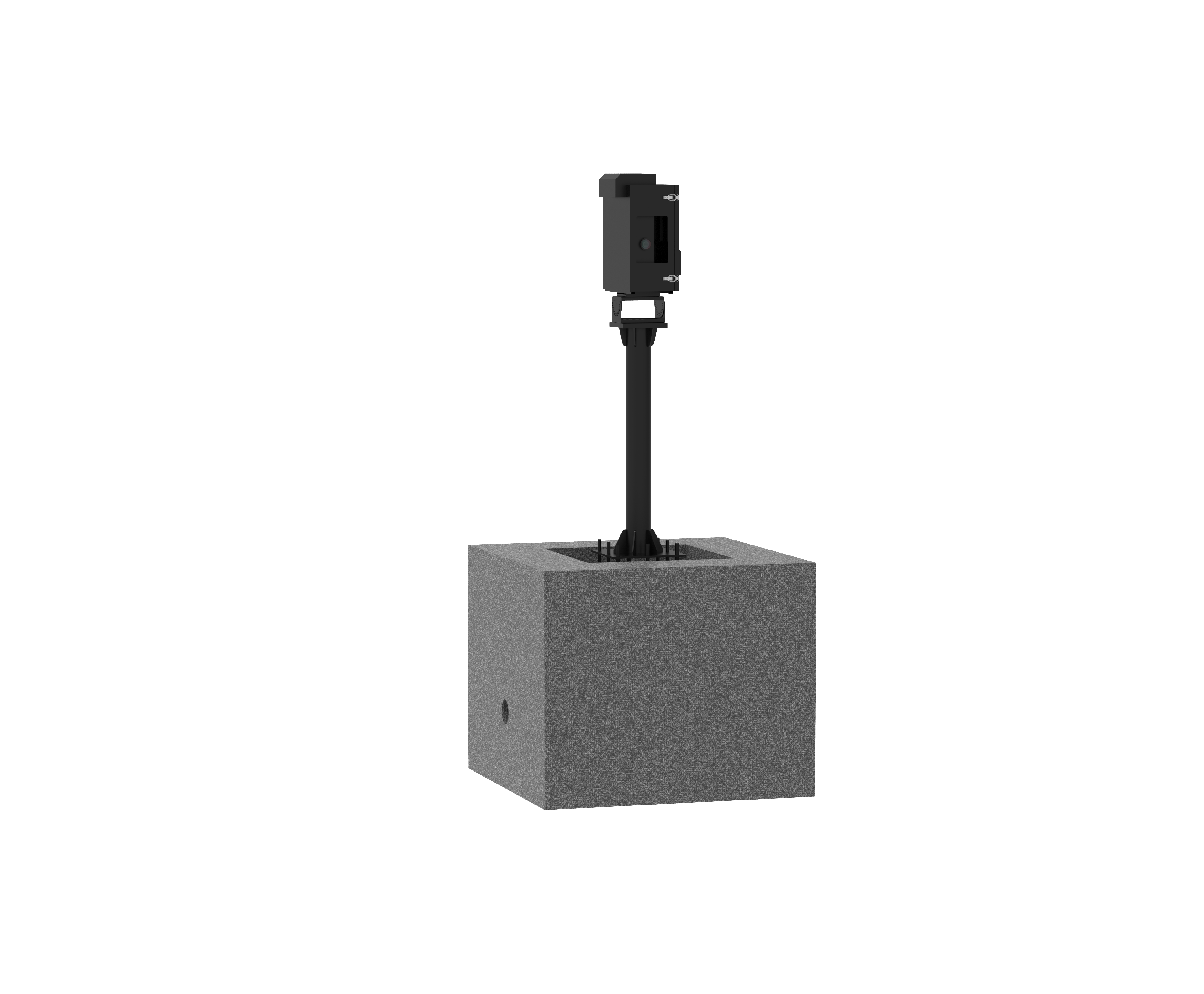
Selecting the right materials for an outdoor projector enclosure is crucial for ensuring long-term performance and protection against harsh environmental conditions. The durability and effectiveness of these protective housings depend heavily on the quality of construction materials used in their manufacture. Understanding which materials provide the best combination of weather resistance, thermal management, and structural integrity helps consumers make informed decisions when investing in outdoor projection solutions.
Essential Material Properties for Outdoor Protection
Corrosion Resistance Fundamentals
Corrosion resistance stands as the primary material requirement for any effective outdoor projector enclosure design. Stainless steel grades like 316 and 304 offer exceptional resistance to rust and oxidation when exposed to moisture, salt air, and varying pH conditions. These alloys contain chromium and nickel that form protective oxide layers, preventing deep penetration of corrosive elements that could compromise the enclosure's structural integrity over time.
Aluminum alloys treated with anodization processes also provide excellent corrosion protection while maintaining lighter weight characteristics compared to steel alternatives. The anodized coating creates a hard, non-porous surface that resists environmental degradation and maintains appearance quality throughout extended outdoor exposure periods. These materials ensure that the outdoor projector enclosure maintains its protective capabilities regardless of regional climate conditions.
Thermal Expansion Considerations
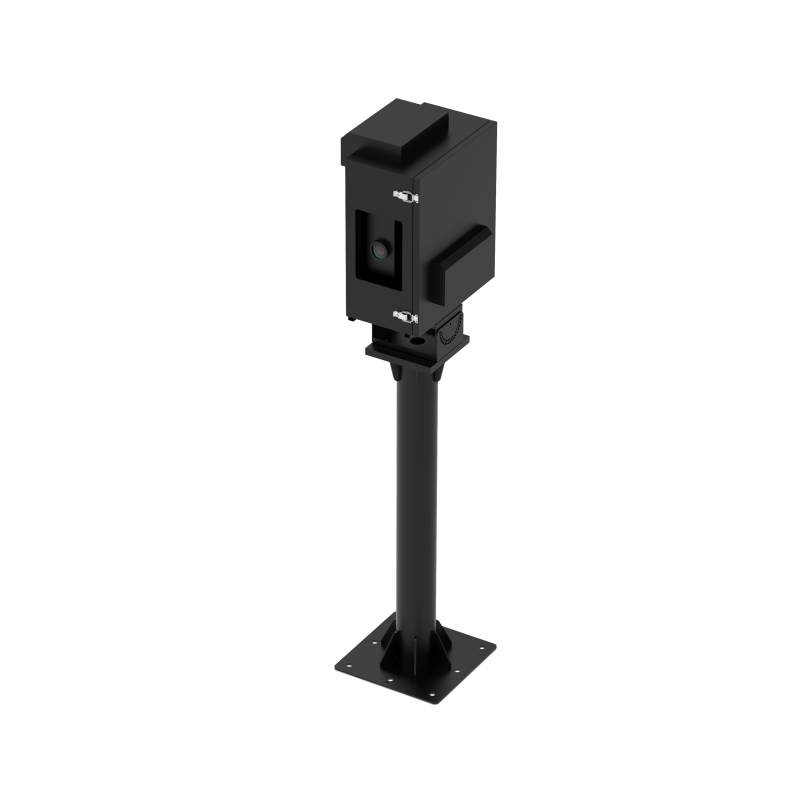
Material selection must account for thermal expansion and contraction cycles that occur with daily temperature fluctuations. Metals with low thermal expansion coefficients help maintain precise sealing tolerances and prevent gaps that could allow moisture infiltration. Stainless steel demonstrates excellent thermal stability, expanding predictably and returning to original dimensions as temperatures normalize.
Composite materials engineered with carbon fiber reinforcement offer superior thermal stability while reducing overall weight. These advanced materials maintain dimensional accuracy across wide temperature ranges, ensuring that gasket seals and mounting hardware remain properly positioned. The thermal properties of enclosure materials directly impact the long-term reliability of weather sealing systems.
Structural Materials for Maximum Durability
High-Strength Steel Applications
Premium outdoor projector enclosure designs incorporate high-strength steel components in critical load-bearing areas to withstand wind loads, impact forces, and mounting stresses. Grade 316 stainless steel provides exceptional strength-to-weight ratios while maintaining corrosion resistance properties essential for outdoor applications. This material choice ensures that mounting points and structural connections remain secure under dynamic loading conditions.
The yield strength and tensile properties of stainless steel allow engineers to design thinner wall sections without compromising structural performance. This optimization reduces overall weight while maintaining the protective integrity required for sensitive projection equipment. Strategic use of high-strength materials in key areas maximizes durability while controlling manufacturing costs.
Reinforcement Strategies
Internal reinforcement structures using formed steel ribs and gussets distribute mechanical loads effectively throughout the outdoor projector enclosure shell. These reinforcement elements prevent localized stress concentrations that could lead to fatigue failures or deformation under repeated loading cycles. Proper reinforcement design extends service life significantly compared to simple box-style constructions.
Strategic placement of reinforcement materials focuses protection around access panels, cable entry points, and mounting interfaces where stress concentrations typically occur. This targeted approach optimizes material usage while ensuring that vulnerable areas receive adequate structural support for long-term reliability.
Weather Sealing Material Technologies
Elastomer Seal Performance
Advanced elastomer compounds used in outdoor projector enclosure sealing systems must maintain flexibility across extreme temperature ranges while resisting UV degradation and ozone attack. EPDM rubber formulations provide excellent weather resistance and maintain sealing effectiveness for decades when properly formulated with appropriate antioxidants and UV stabilizers.
Silicone-based sealing materials offer superior temperature resistance and maintain elastic properties at both high and low temperature extremes. These materials resist compression set and maintain consistent sealing pressure throughout thermal cycling, ensuring that moisture barriers remain effective over extended service periods. The chemical inertness of silicone materials prevents degradation from exposure to cleaning chemicals and environmental pollutants.
Gasket Design Integration
Multi-durometer gasket designs combine different rubber compounds to optimize both sealing performance and installation characteristics. Softer compounds provide effective sealing at low compression forces, while harder materials resist extrusion and maintain shape under higher pressures. This hybrid approach maximizes sealing reliability while simplifying assembly procedures.
Compression molded gaskets with integrated mounting features eliminate separate fasteners and reduce potential leak paths in outdoor projector enclosure designs. These one-piece sealing systems provide consistent compression around the entire perimeter while accommodating manufacturing tolerances in mating surfaces. Proper material selection ensures that gasket systems maintain sealing effectiveness throughout their intended service life.
Thermal Management Material Solutions
Heat Dissipation Strategies
Aluminum heat sink materials with high thermal conductivity efficiently transfer heat from internal components to external surfaces where natural or forced convection can provide cooling. Extruded aluminum profiles with optimized fin geometries maximize surface area while maintaining structural integrity under outdoor conditions. These thermal management solutions prevent overheating that could damage sensitive projection equipment.
Thermal interface materials using phase change compounds or high-performance thermal pads ensure efficient heat transfer between electronic components and heat sink surfaces. These materials accommodate surface irregularities while maintaining low thermal resistance across the interface. Proper thermal management extends equipment life and maintains optimal performance throughout varying ambient conditions.
Insulation Material Applications
Closed-cell foam insulation materials provide thermal barriers that reduce heat transfer between internal and external environments in outdoor projector enclosure designs. These materials resist moisture absorption while maintaining insulating properties over extended periods. Strategic insulation placement helps maintain stable internal temperatures and reduces energy consumption for climate control systems.
Reflective barrier materials combined with air gaps create effective thermal barriers without adding significant weight to the enclosure structure. These multi-layer systems reflect radiant heat while providing convective thermal resistance. The combination of reflective and insulating materials optimizes thermal performance while maintaining reasonable manufacturing costs.
Advanced Coating Technologies
Protective Surface Treatments
Powder coating systems using polyester and acrylic resins provide durable surface protection with excellent color retention and gloss stability under UV exposure. These coatings form thick, uniform films that resist chipping, scratching, and chemical attack while maintaining attractive appearance throughout extended outdoor exposure. The electrostatic application process ensures complete coverage of complex geometries.
Ceramic-based coatings offer superior abrasion resistance and thermal stability compared to conventional organic coatings. These advanced surface treatments provide excellent corrosion protection while maintaining low surface energy that promotes self-cleaning properties. Outdoor projector enclosure surfaces treated with ceramic coatings require minimal maintenance while providing long-term protection.
Anti-Reflective Properties
Specialized coatings with controlled surface textures reduce glare and reflection from outdoor projector enclosure surfaces, improving visual integration with architectural surroundings. These textured finishes scatter incident light while maintaining excellent weather resistance properties. The surface treatments also provide improved scratch resistance compared to smooth finishes.
Matte finish coatings using controlled particle size distributions create uniform surface appearance while hiding minor surface imperfections that occur during manufacturing or installation. These finishes maintain consistent appearance over time and resist showing water spots or environmental deposits that could affect visual aesthetics.
Quality Control and Material Testing
Environmental Testing Standards
Comprehensive material testing according to ASTM and IEC standards ensures that outdoor projector enclosure materials meet performance requirements for specific environmental conditions. Salt spray testing evaluates corrosion resistance, while thermal cycling tests assess dimensional stability and seal integrity under temperature extremes. These standardized tests provide quantitative data for material selection decisions.
UV exposure testing using accelerated weathering chambers simulates years of outdoor exposure in controlled laboratory conditions. These tests evaluate color stability, material degradation, and mechanical property retention under intense UV radiation. Material manufacturers provide test data that enables engineers to predict long-term performance characteristics for specific geographic locations.
Manufacturing Quality Assurance
Statistical process control monitoring of material properties ensures consistent quality throughout production runs of outdoor projector enclosure components. Incoming material inspection verifies compliance with specifications, while in-process testing monitors critical parameters during fabrication. This comprehensive quality system ensures that finished products meet performance expectations.
Traceability systems track material lots through production processes, enabling rapid identification and isolation of any quality issues that may arise. This documentation supports warranty programs and facilitates continuous improvement initiatives based on field performance data. Proper quality control systems ensure consistent reliability across all outdoor projector enclosure products.
FAQ
What is the best material for outdoor projector enclosure construction
Grade 316 stainless steel provides the optimal combination of corrosion resistance, structural strength, and long-term durability for outdoor projector enclosure applications. This material resists rust formation, maintains dimensional stability across temperature ranges, and provides excellent protection against environmental elements while supporting the weight of projection equipment securely.
How do weather sealing materials affect enclosure performance
High-quality EPDM or silicone rubber seals maintain moisture barriers and prevent water ingress that could damage sensitive electronics. These materials resist UV degradation and temperature extremes while maintaining elastic properties necessary for effective sealing over decades of service. Proper seal selection ensures IP65 or higher protection ratings.
Why is thermal management important in material selection
Thermal management materials prevent overheating that could reduce equipment life or cause performance degradation in outdoor projector enclosure applications. Aluminum heat sinks, thermal interface materials, and proper insulation maintain optimal operating temperatures while reducing energy consumption for cooling systems. Effective thermal design extends equipment life significantly.
What coating options provide the longest lasting protection
Powder coating systems using fluoropolymer resins offer superior weatherability and color retention compared to conventional paints or anodizing. These coatings resist chalking, fading, and chemical attack while providing excellent abrasion resistance. Ceramic-enhanced coatings provide even greater durability for extreme environmental conditions where maximum longevity is required.