
 EN
EN
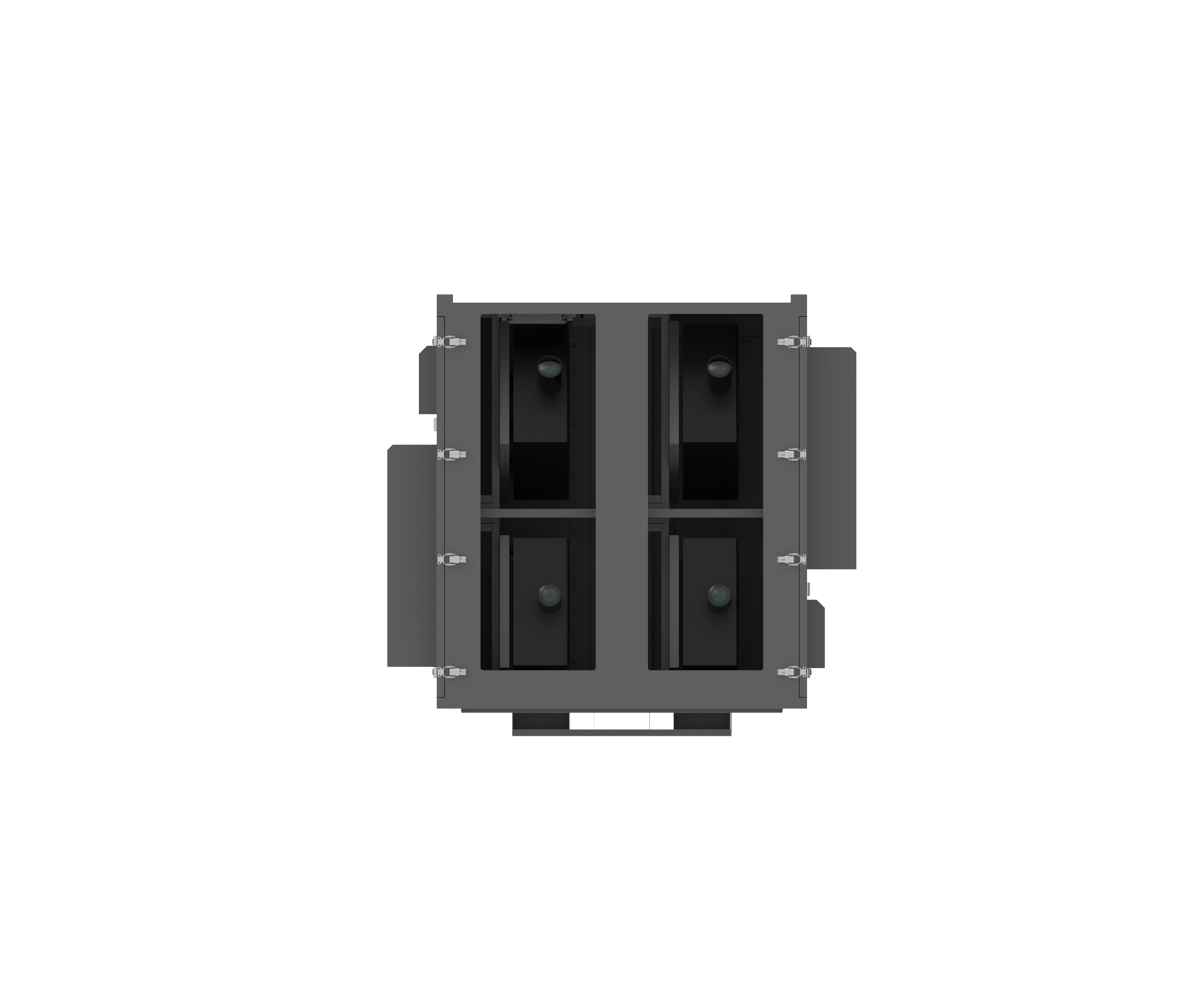
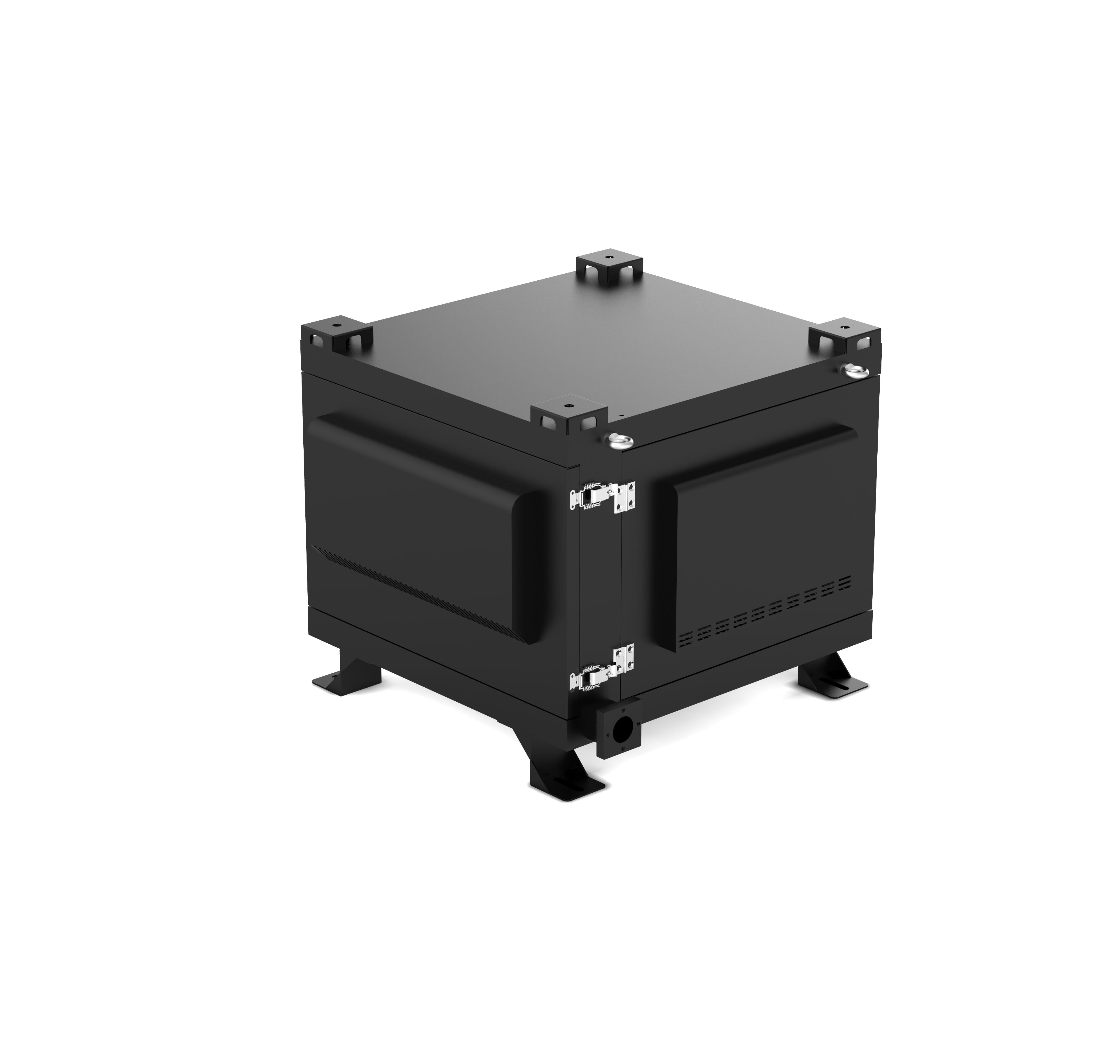
Outdoor projection systems face constant threats from environmental elements that can cause catastrophic equipment failure and costly downtime. Professional-grade projectors represent significant investments, often ranging from thousands to tens of thousands of dollars, making their protection from weather conditions a critical business priority. Understanding how an outdoor projector enclosure shields your valuable equipment from rain, snow, extreme temperatures, dust, and other environmental hazards can help you make informed decisions about safeguarding your projection infrastructure.
Weather protection for outdoor projection equipment involves multiple layers of defense against moisture infiltration, temperature fluctuations, UV radiation, and physical contaminants. An outdoor projector enclosure serves as the primary barrier between your expensive projection hardware and the harsh realities of outdoor environments, employing sophisticated sealing systems, climate control mechanisms, and robust construction materials to maintain optimal operating conditions regardless of external weather conditions.
Physical Barrier Protection Against Moisture and Precipitation
Waterproof Sealing Systems
The most fundamental protection provided by an outdoor projector enclosure comes from its waterproof sealing systems that prevent moisture infiltration. These enclosures utilize multiple sealing mechanisms including gasket seals, compression seals, and weatherstripping to create an impermeable barrier against rain, snow, and humidity. Professional-grade outdoor projector enclosure systems typically achieve IP65 or higher ingress protection ratings, meaning they can withstand direct water jets and complete dust protection without compromising internal equipment safety.
Advanced sealing technologies in quality outdoor projector enclosure designs incorporate marine-grade rubber gaskets and silicone sealing compounds that maintain their integrity across extreme temperature ranges. These materials resist degradation from UV exposure and ozone, ensuring long-term sealing effectiveness even after years of outdoor exposure. The sealing system extends beyond the main enclosure body to include cable entry points, ventilation systems, and access panels, creating a comprehensive moisture barrier.
Drainage and Condensation Management
Effective outdoor projector enclosure systems incorporate sophisticated drainage mechanisms to handle any moisture that might accumulate around the unit. Internal condensation management becomes critical when temperature differentials exist between the interior and exterior environments. Quality enclosures include internal drainage channels, weep holes, and moisture evacuation systems that prevent water accumulation while maintaining the integrity of the sealed environment.
Condensation control within an outdoor projector enclosure often involves desiccant systems or active dehumidification to maintain optimal humidity levels. These systems prevent internal condensation that could damage sensitive electronic components or optical elements within the projector. Proper condensation management ensures that temperature cycling doesn't create moisture problems inside the protected environment.
Temperature Control and Climate Management
Thermal Insulation Properties
Temperature extremes pose significant threats to projector electronics and optical components, making thermal management a crucial function of any outdoor projector enclosure. Quality enclosures incorporate multi-layer insulation systems that minimize heat transfer between internal and external environments. This insulation helps maintain stable operating temperatures for projector components while reducing the energy requirements for active climate control systems.
The thermal mass of a well-designed outdoor projector enclosure helps buffer against rapid temperature changes that could shock sensitive electronic components. Insulation materials typically include closed-cell foam insulation, reflective barriers, and air gaps that work together to create effective thermal resistance. This thermal stability prevents condensation cycles and reduces stress on projector cooling systems during operation.
Active Climate Control Integration
Advanced outdoor projector enclosure systems integrate active heating and cooling systems to maintain optimal operating temperatures regardless of external conditions. These systems typically include thermostatically controlled heaters for cold weather operation and ventilation or cooling systems for hot weather conditions. The climate control systems work in conjunction with the enclosure's thermal properties to maintain precise temperature control.
Ventilation systems within an outdoor projector enclosure must balance the need for heat dissipation with weather protection requirements. Sophisticated designs incorporate filtered ventilation systems that allow airflow while preventing moisture and contaminant infiltration. These systems often include automatic dampers that close during severe weather conditions while maintaining adequate ventilation during normal operation.
Protection Against Environmental Contaminants
Dust and Particle Filtration
Environmental contaminants including dust, pollen, salt spray, and industrial pollutants can cause significant damage to projector optical systems and internal components. An effective outdoor projector enclosure provides comprehensive filtration systems that prevent these contaminants from reaching sensitive equipment. HEPA-grade filtration systems remove particles down to submicron sizes, ensuring clean air circulation within the protected environment.
Air filtration systems in outdoor projector enclosure designs typically incorporate multiple filtration stages including coarse pre-filters for large particles and fine filters for microscopic contaminants. These systems require regular maintenance to maintain effectiveness, but they provide essential protection against the gradual accumulation of contaminants that could degrade projection quality or damage internal components over time.
Chemical and Corrosion Resistance
Industrial environments and coastal locations expose projection equipment to corrosive chemicals and salt spray that can cause rapid deterioration of metal components and electronic systems. Quality outdoor projector enclosure construction utilizes corrosion-resistant materials including stainless steel, anodized aluminum, and specialized coatings that resist chemical attack. These materials maintain structural integrity and protective capabilities even in harsh chemical environments.
Chemical resistance extends beyond the enclosure materials to include sealing compounds, gaskets, and internal components that might be exposed to aggressive environments. The selection of appropriate materials for each application environment ensures long-term protection against specific chemical threats while maintaining the overall integrity of the outdoor projector enclosure system.
UV Protection and Material Degradation Prevention
UV-Resistant Construction Materials
Prolonged exposure to ultraviolet radiation causes degradation of many materials commonly used in electronic equipment housings and sealing systems. An outdoor projector enclosure must incorporate UV-resistant materials and coatings that maintain their properties despite continuous sun exposure. High-quality enclosures utilize UV-stabilized plastics, fade-resistant coatings, and materials specifically engineered for outdoor applications.
The UV protection provided by an outdoor projector enclosure extends to the projection equipment housed within, preventing degradation of plastic components, cable insulation, and optical elements that might be sensitive to UV exposure. Quality enclosures often incorporate UV-filtering windows or optical elements that allow necessary light transmission while blocking harmful wavelengths.
Surface Protection and Finish Durability
The external surfaces of an outdoor projector enclosure face constant exposure to environmental stresses including UV radiation, temperature cycling, moisture, and physical wear. Durable surface treatments including powder coating, anodizing, and specialized outdoor finishes provide long-term protection against these environmental factors. These finishes maintain their protective properties and appearance throughout the service life of the enclosure.
Surface preparation and coating application processes significantly impact the long-term durability of outdoor projector enclosure finishes. Quality manufacturers employ multi-stage surface preparation including cleaning, etching, and priming before applying final protective coatings. This comprehensive approach ensures maximum adhesion and durability of protective finishes under outdoor conditions.
Security and Physical Protection Features
Tamper-Resistant Design Elements
Beyond weather protection, an outdoor projector enclosure must provide security against theft, vandalism, and unauthorized access to expensive projection equipment. Robust locking systems, reinforced construction, and tamper-evident features help deter theft and unauthorized access while maintaining the weather protection capabilities of the enclosure. Security features must be integrated without compromising the sealing or climate control functions.
Access control systems in advanced outdoor projector enclosure designs can include electronic locks, monitoring systems, and alarm integration that provide remote security monitoring capabilities. These systems allow facility managers to monitor enclosure security status and receive alerts about unauthorized access attempts while ensuring authorized personnel can access equipment for maintenance and operation.
Impact and Vandalism Resistance
Physical protection against impact damage and vandalism requires robust construction and strategic design considerations in outdoor projector enclosure systems. Reinforced panels, impact-resistant materials, and protective features help prevent damage from both accidental impacts and intentional vandalism. The enclosure design must balance accessibility requirements with security and protection needs.
Strategic placement and mounting of outdoor projector enclosure systems can enhance physical protection by positioning equipment away from easy access while maintaining operational functionality. Proper installation and anchoring prevent unauthorized removal while ensuring the enclosure remains stable under wind loading and other environmental stresses.
FAQ
What IP rating should I look for in an outdoor projector enclosure?
For outdoor applications, you should look for an outdoor projector enclosure with a minimum IP65 rating, which provides complete dust protection and protection against water jets from any direction. For extremely harsh environments or marine applications, consider IP66 or IP67 ratings for enhanced water protection. The IP rating ensures your projector remains protected from moisture infiltration and dust accumulation that could cause equipment failure.
How does an outdoor projector enclosure maintain proper ventilation while keeping weather out?
An outdoor projector enclosure uses specialized ventilation systems that incorporate weather-resistant louvers, filtered air intake systems, and pressure balancing mechanisms. These systems allow necessary airflow for projector cooling while preventing moisture and contaminant infiltration. Advanced designs include automatic dampers that close during severe weather and thermostatically controlled ventilation that adjusts based on internal temperature requirements.
Can an outdoor projector enclosure operate in extreme temperature conditions?
Yes, a properly designed outdoor projector enclosure can operate in extreme temperatures ranging from -40°F to 120°F (-40°C to 49°C) or higher, depending on the specific design and climate control systems. The enclosure incorporates thermal insulation, active heating and cooling systems, and temperature monitoring to maintain optimal operating conditions for the projector regardless of external temperature extremes.
How often does an outdoor projector enclosure require maintenance?
An outdoor projector enclosure typically requires quarterly inspections of sealing systems, air filters, and climate control components, with annual comprehensive maintenance including seal replacement and system calibration. The maintenance schedule may vary based on environmental conditions, with harsh environments requiring more frequent attention. Regular maintenance ensures continued weather protection and optimal performance of both the enclosure and housed projection equipment.
Table of Contents
- Physical Barrier Protection Against Moisture and Precipitation
- Temperature Control and Climate Management
- Protection Against Environmental Contaminants
- UV Protection and Material Degradation Prevention
- Security and Physical Protection Features
-
FAQ
- What IP rating should I look for in an outdoor projector enclosure?
- How does an outdoor projector enclosure maintain proper ventilation while keeping weather out?
- Can an outdoor projector enclosure operate in extreme temperature conditions?
- How often does an outdoor projector enclosure require maintenance?