
 EN
EN
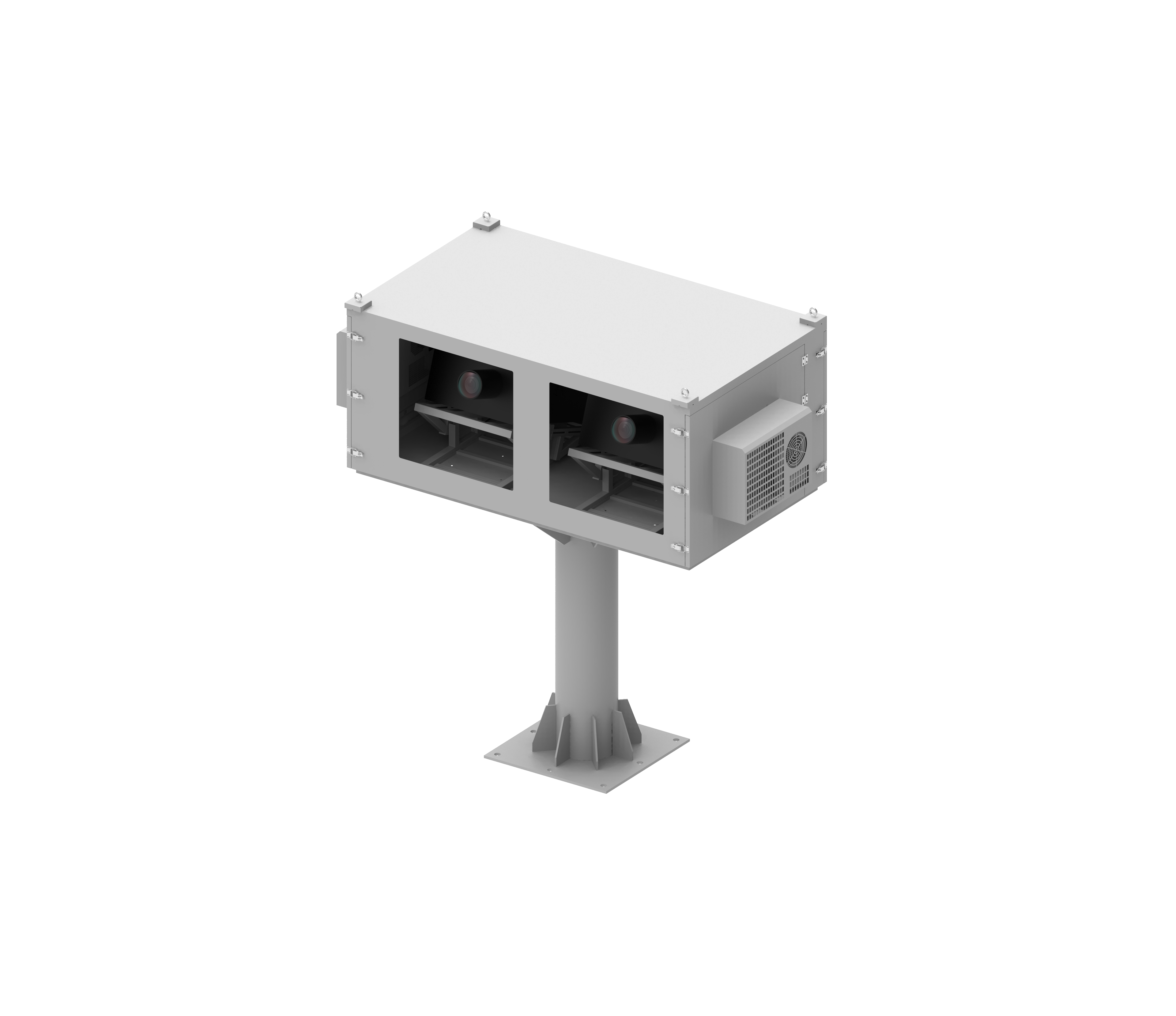
When deploying projectors in outdoor or industrial environments, the enclosure that protects them is just as critical as the projector itself. A waterproof projector housing is engineered to shield sensitive optical and electronic components from moisture, dust, UV exposure, temperature extremes, and physical impact. However, not all enclosures are created equal — and the specific materials used in construction play a decisive role in determining how long that protection will last in real-world conditions.
Understanding what materials contribute to the durability and longevity of a waterproof projector housing helps procurement engineers, AV integrators, and facility managers make confident specification decisions. From the outer shell to the sealing compounds and internal thermal management layers, every material choice directly impacts whether the housing delivers five years of reliable performance — or fails prematurely under environmental stress. This article breaks down the key material categories and explains why each matters for long-term service life.
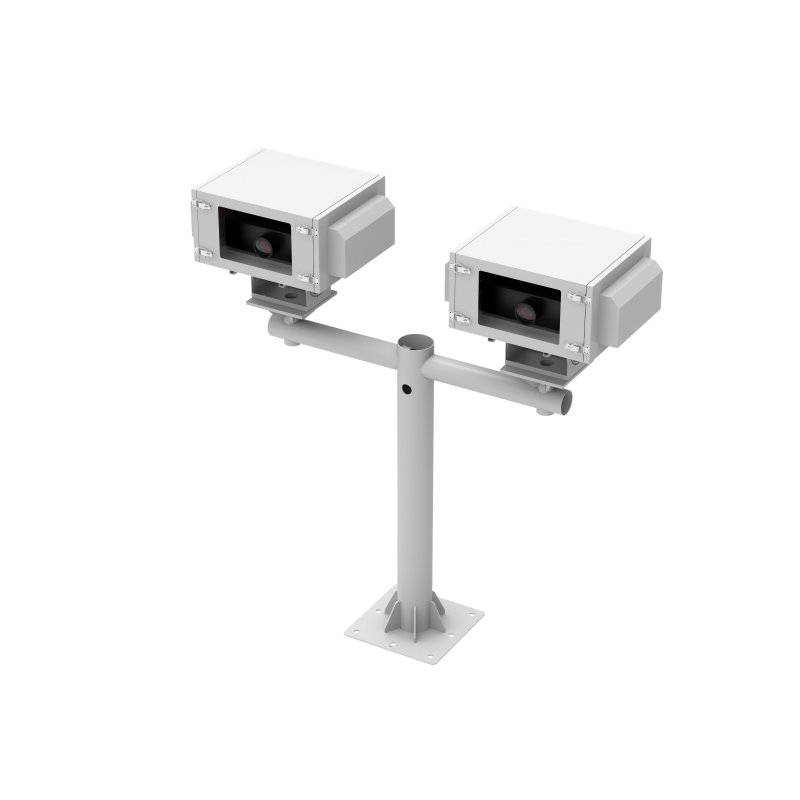
The Structural Shell: Why Metal Fabrication Leads in Durability
Sheet Metal as the Foundation of Outdoor Enclosures
Sheet metal fabrication is widely regarded as the benchmark standard for constructing a high-performance waterproof projector housing intended for outdoor or semi-outdoor deployment. Cold-rolled steel and hot-dip galvanized steel provide exceptional rigidity, impact resistance, and dimensional stability across a wide range of temperatures. Unlike polymer-based shells, sheet metal does not warp, creep, or degrade under prolonged UV exposure, which makes it a far more reliable structural choice for permanent installations.
The fabrication process allows tight dimensional tolerances, which is essential for achieving consistent IP-rated sealing at all joints, edges, and panel interfaces. When the enclosure panels fit together with precision, the gasket and sealing system can perform as designed without being compromised by gaps caused by material deformation. This precision is difficult to replicate at scale with injected or molded plastic alternatives, especially under thermal cycling conditions.
A well-fabricated metal waterproof projector housing also resists vandalism and incidental impact far more effectively than polymer housings. In public outdoor projection installations — retail facades, transit hubs, architectural projection mapping — the enclosure is frequently exposed to accidental knocks, vibrations from nearby machinery, and even deliberate tampering. Metal construction provides a meaningful safety margin that directly translates to longer service intervals and reduced maintenance costs.
Stainless Steel and Aluminum Alloy Variants
For environments with elevated corrosion risk — coastal areas, industrial zones with chemical exposure, or locations subject to frequent high-pressure washing — stainless steel grades such as 304 or 316L are preferred materials for the waterproof projector housing shell. Stainless steel offers inherent resistance to oxidation and chemical attack, reducing the risk of structural degradation over time without requiring periodic recoating.
Aluminum alloy is another strong contender, particularly where weight is a consideration, such as elevated mounting positions on poles or building facades. Aluminum naturally forms a protective oxide layer that resists corrosion, and when combined with anodizing or powder coat finishing, it delivers a surface that remains visually clean and structurally sound for many years. The thermal conductivity of aluminum also contributes to passive heat dissipation, an important secondary benefit for any waterproof projector housing that operates continuously.
Choosing between steel and aluminum depends on the specific environmental and mechanical load conditions of the installation site. Both materials, when properly specified and finished, deliver far superior longevity compared to non-metallic alternatives in demanding outdoor settings.
Surface Treatments and Coatings That Extend Service Life
Powder Coat Finishing for Corrosion and UV Resistance
Even the highest-quality metal substrate requires appropriate surface protection to maintain its integrity over time. Powder coat finishing is the most widely used and effective protective layer applied to sheet metal waterproof projector housing products. The electrostatic application process produces a uniform, dense coating that adheres strongly to the metal surface, creating a barrier against moisture ingress, oxidation, and UV degradation.
Polyester powder coats are particularly effective for outdoor applications because they maintain color stability and surface hardness even after years of direct sunlight exposure. Epoxy-polyester hybrid coatings offer enhanced chemical resistance for industrial environments. The thickness of the powder coat layer — typically measured in microns — directly correlates with how long the protective barrier remains intact before requiring attention. Higher-specification housings often use thicker, multi-layer coating systems to extend service intervals significantly.
A properly powder-coated waterproof projector housing can resist salt spray, acid rain, and UV radiation for well over a decade without significant surface deterioration. This is a critical factor for installations where access for maintenance is difficult or where replacement costs are high, such as elevated billboard projections or infrastructure-integrated display systems.
Galvanizing and Zinc Primer Treatments
Hot-dip galvanizing applies a metallurgically bonded zinc layer to steel components, providing sacrificial protection that continues to function even if the coating is physically scratched or abraded. For structural components within the waterproof projector housing assembly — mounting brackets, internal frames, fasteners — galvanized steel is often specified because it offers corrosion protection without requiring the high dimensional precision of powder-coated external panels.
Zinc-rich primers used as a base coat beneath topcoat systems provide a similar sacrificial protection mechanism at a lower weight and cost penalty. These treatment systems are particularly valuable in marine or chemically aggressive atmospheres where unprotected steel would begin to corrode within months of installation. The combination of zinc primer followed by powder coat topcoat is considered best practice for a waterproof projector housing designed for coastal or industrial environments.
Sealing Materials: The Critical Interface Between Housing and Environment
EPDM and Silicone Gaskets for IP-Rated Sealing
Achieving and maintaining a certified IP65 or higher ingress protection rating is entirely dependent on the performance of the sealing materials used at every opening, joint, and cable entry point of the waterproof projector housing. EPDM (ethylene propylene diene monomer) rubber is the most commonly specified gasket material for outdoor enclosures because it combines excellent resistance to UV radiation, ozone, extreme temperatures, and moisture with sufficient mechanical compliance to maintain effective sealing under compression over many years.
Silicone gaskets and sealants provide superior performance at temperature extremes, remaining flexible and effective from minus 60°C to above 200°C, which makes them preferred for installations subject to significant thermal cycling. The compression set resistance of the gasket material — its ability to recover its original shape after prolonged compression — is a key specification parameter because gaskets that permanently deform will eventually allow moisture ingress, breaking the IP rating of the waterproof projector housing.
Gasket geometry matters as much as material selection. Double-seal groove designs, compression-limiter stops, and co-molded gasket profiles help ensure consistent sealing force across the entire perimeter of the enclosure door or access panel. A waterproof projector housing that combines high-quality EPDM or silicone gaskets with precision-fabricated metal sealing surfaces will maintain its ingress protection rating throughout its service life, not just when first installed.
Cable Entry Glands and Sealant Compounds
Every cable penetration point represents a potential weak link in the overall sealing system of a waterproof projector housing. IP-rated cable glands, typically constructed from nickel-plated brass, stainless steel, or UV-stabilized nylon, provide a compressed seal around cables while allowing secure mechanical strain relief. The choice of gland material should match the environmental demands of the installation — metallic glands for industrial or coastal environments, high-quality nylon for standard outdoor applications.
Polyurethane and silicone-based potting compounds are used in some waterproof projector housing designs to seal cable entry points, particularly where the cable arrangement is fixed and not expected to change. These materials cure to form a solid, waterproof mass that fills any gaps around the cable bundle, providing both ingress protection and mechanical support. The long-term stability of these sealant compounds under UV and thermal cycling is an important material selection criterion for permanent outdoor installations.
Optical Window Materials: Balancing Clarity and Environmental Resistance
Tempered Glass for High-Transmission Applications
The optical window of a waterproof projector housing — the transparent front panel through which the projected image passes — must simultaneously provide high optical transmission, resistance to surface abrasion, and sufficient structural integrity to maintain the enclosure's IP rating. Tempered borosilicate glass is the gold standard for demanding optical applications because it combines exceptional clarity, thermal shock resistance, and surface hardness that resists scratching from airborne particulates.
Anti-reflective coatings applied to the optical window reduce light loss and improve projected image contrast, which is particularly important for daytime projection applications where ambient light competes with the projector output. UV-blocking coatings prevent long-term yellowing or surface degradation caused by solar exposure, maintaining optical performance over the full service life of the waterproof projector housing.
The window mounting system must also be considered as part of the material specification. The interface between the glass panel and the metal frame requires a compliant, non-abrasive seating material — typically silicone or closed-cell foam — that accommodates differential thermal expansion between glass and metal without creating stress concentrations that could crack the window or compromise the seal.
Polycarbonate as an Impact-Resistant Alternative
In applications where physical impact risk is significant — projection installations near public access areas, construction sites, or high-traffic zones — polycarbonate optical windows may be specified as the front panel material for the waterproof projector housing. Polycarbonate offers exceptional impact resistance, approximately 250 times greater than standard glass, and can be glazed with hard coating treatments to improve its surface scratch resistance.
The trade-off with polycarbonate is a slightly lower optical transmission compared to glass, as well as greater susceptibility to long-term UV yellowing without effective UV-stabilizing additives or coatings. Specifying UV-stabilized polycarbonate with a hard coat finish provides a reasonable compromise between impact protection and optical longevity for a waterproof projector housing deployed in demanding environments.
Thermal Management Materials for Sustained Internal Performance
Internal Insulation and Heat Dissipation Layers
Projectors generate significant heat during operation, and managing that heat within a sealed waterproof projector housing is essential to prevent premature failure of the projector's lamp, laser module, or electronic components. Thermal interface materials — including thermal pads, phase-change compounds, and graphite spreader sheets — are used in internally cooled enclosure designs to efficiently transfer heat from the projector body to the housing's external surfaces, where it can be dissipated to the surrounding air.
Ventilated waterproof projector housing designs that include filtered fan assemblies use filter media materials — typically polyester foam or electrostatic filter media — to prevent dust ingress while maintaining sufficient airflow for thermal management. The long-term performance of these filter materials under UV exposure, humidity cycling, and particulate loading directly affects how well the enclosure continues to meet its thermal and ingress protection requirements over time.
Some high-specification enclosure designs incorporate internal finishes with high thermal emissivity values — such as matte black internal coatings — to maximize radiant heat transfer from the projector and internal components to the housing shell. This passive thermal management approach reduces reliance on active cooling systems and eliminates the maintenance demands associated with fans and filters.
Condensation Management and Desiccant Materials
Even a perfectly sealed waterproof projector housing contains residual moisture in the air trapped during assembly or maintenance. Temperature cycling causes this moisture to condense on internal surfaces, potentially causing corrosion of metal components or fogging of the optical window. Silica gel or molecular sieve desiccant cartridges are incorporated into high-quality enclosure designs to absorb this residual moisture and maintain a dry internal environment.
Pressure compensation elements — typically sintered PTFE membrane vents — are installed in some waterproof projector housing products to equalize internal and external pressure differentials caused by temperature changes, without allowing liquid water or solid particulates to pass through. PTFE's inherent hydrophobicity and chemical inertness make it an ideal membrane material for this function, with a service life that typically exceeds that of the enclosure itself under normal operating conditions.
FAQ
What IP rating should a waterproof projector housing have for outdoor use?
For most outdoor projector installations, an IP65 rating is the minimum acceptable standard for a waterproof projector housing. IP65 certifies complete protection against dust ingress and resistance to low-pressure water jets from any direction. For harsher environments involving heavy rainfall, high-pressure cleaning, or temporary flooding risk, IP66 or IP67 ratings provide higher levels of water ingress protection and are recommended for permanent outdoor deployments.
How does sheet metal fabrication compare to plastic for waterproof projector housing longevity?
Sheet metal fabrication consistently outperforms plastic construction in longevity for outdoor waterproof projector housing applications. Metal shells resist UV degradation, physical impact, and thermal deformation far more effectively than polymer alternatives. While quality UV-stabilized plastics can perform adequately in mild environments, metal construction provides a significantly longer service life in demanding outdoor conditions and better maintains the dimensional precision required for sustained IP-rated sealing performance.
How often do gaskets in a waterproof projector housing need to be replaced?
The service life of gasket materials in a waterproof projector housing depends on the material specification and environmental conditions. High-quality EPDM gaskets in normal outdoor environments typically maintain effective sealing performance for five to ten years before showing signs of compression set or surface degradation. Silicone gaskets may last even longer in extreme temperature environments. Routine inspection during scheduled maintenance visits is recommended to check gasket condition and replace seals before ingress protection is compromised.
Can the optical window material affect image quality in a waterproof projector housing?
Yes, the optical window material significantly affects image quality in a waterproof projector housing. Untreated standard glass can reduce light transmission by several percent and introduce reflections that lower projected image contrast. Anti-reflective coated tempered glass minimizes these losses and maintains consistent optical performance over time. Polycarbonate windows may introduce slight optical distortion and are more prone to surface hazing under prolonged UV exposure unless hard-coat and UV-stabilization treatments are applied. Specifying the appropriate optical window material for the application is an important step in ensuring both image quality and long-term housing durability.
Table of Contents
- The Structural Shell: Why Metal Fabrication Leads in Durability
- Surface Treatments and Coatings That Extend Service Life
- Sealing Materials: The Critical Interface Between Housing and Environment
- Optical Window Materials: Balancing Clarity and Environmental Resistance
- Thermal Management Materials for Sustained Internal Performance
-
FAQ
- What IP rating should a waterproof projector housing have for outdoor use?
- How does sheet metal fabrication compare to plastic for waterproof projector housing longevity?
- How often do gaskets in a waterproof projector housing need to be replaced?
- Can the optical window material affect image quality in a waterproof projector housing?