
 EN
EN
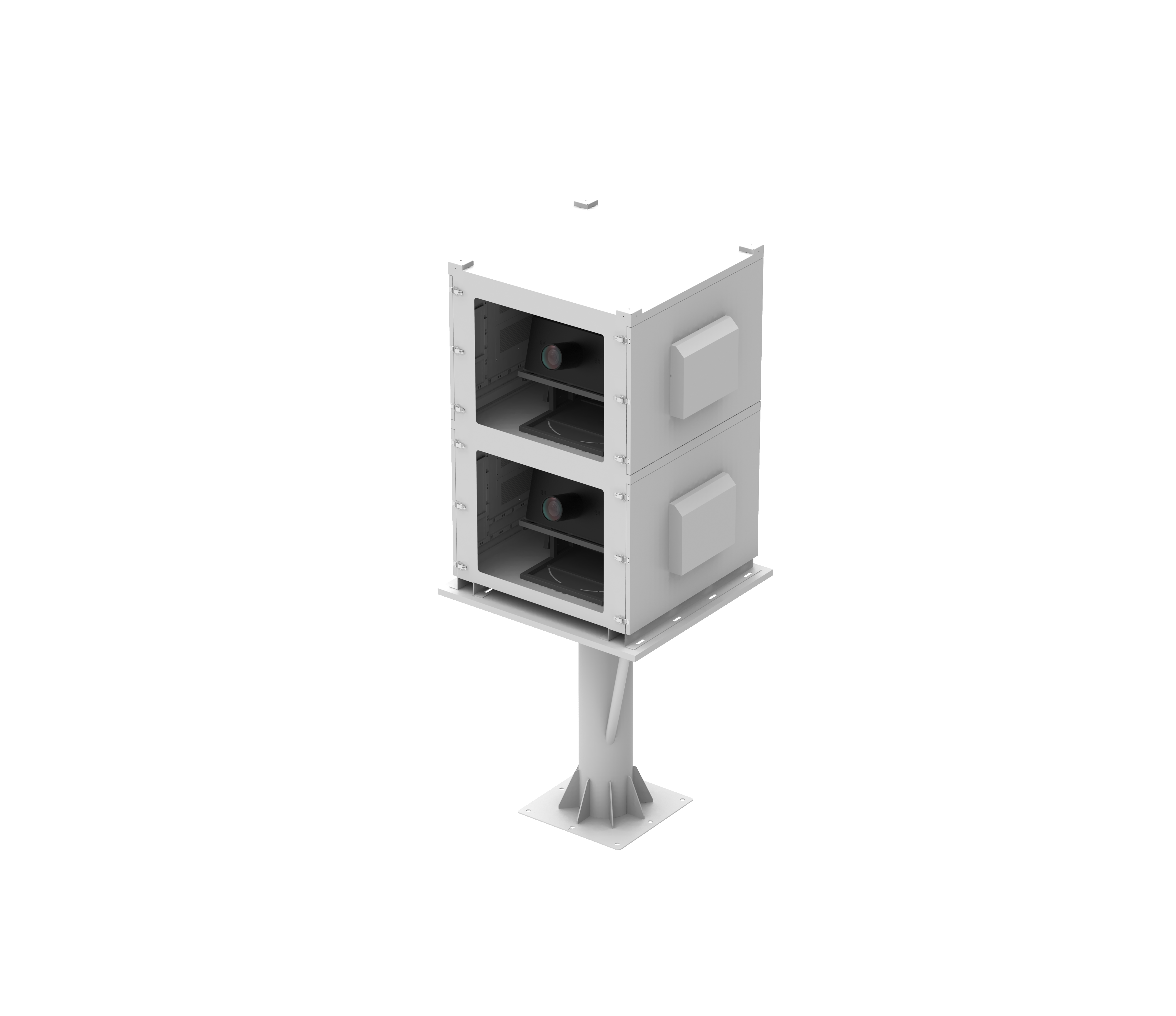
Commercial outdoor projection applications require specialized protection to ensure reliable performance in challenging environmental conditions. An outdoor projector cabinet serves as the critical barrier between expensive projection equipment and harsh weather elements, temperature fluctuations, dust, and potential security threats. Whether you're installing digital signage for retail spaces, creating immersive experiences for entertainment venues, or establishing permanent outdoor cinema installations, selecting the appropriate protective enclosure determines the longevity and reliability of your entire projection system. Understanding the key factors that influence cabinet selection helps project managers, AV integrators, and facility operators make informed decisions that protect their investment while maintaining optimal performance standards.
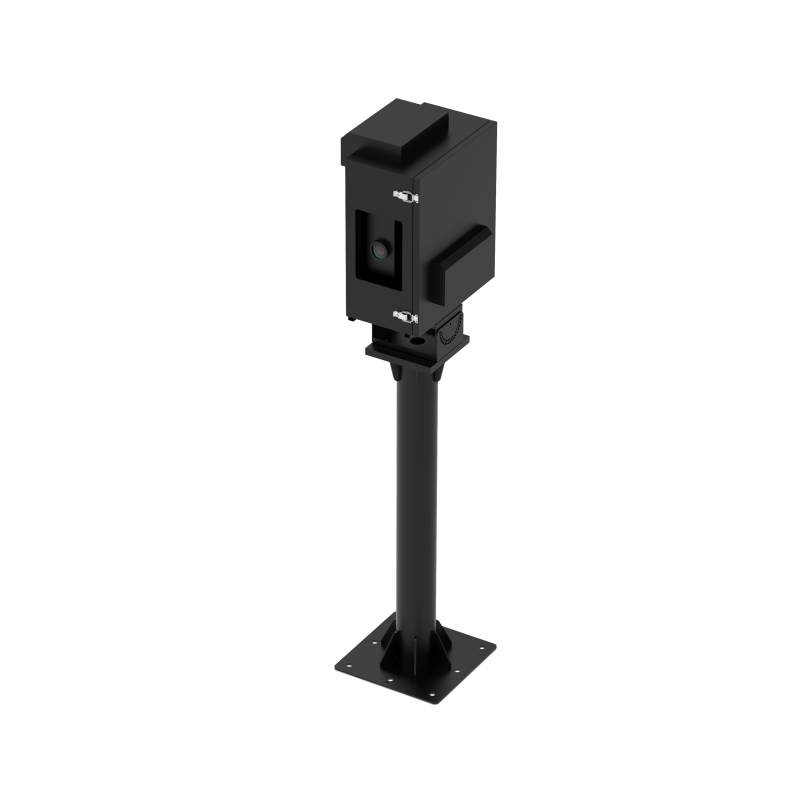
Environmental Protection Standards and IP Ratings
Understanding IP Rating Classifications
The Ingress Protection rating system provides standardized measurements for evaluating how effectively an outdoor projector cabinet protects against solid particles and liquid penetration. The first digit indicates protection against solid objects, ranging from zero protection to complete dust-tight sealing. The second digit measures liquid protection, from basic drip resistance to complete submersion capability. Commercial outdoor installations typically require IP65 or higher ratings to ensure adequate protection against driving rain, dust storms, and other environmental challenges that could damage sensitive projection equipment.
Professional-grade outdoor projector cabinet designs incorporate multiple sealing technologies to achieve superior IP ratings. Gasket systems, weatherstripping, and precision-machined surfaces work together to create barrier systems that prevent moisture infiltration while maintaining accessibility for maintenance operations. Understanding these protection levels helps specifiers select appropriate enclosures based on specific environmental exposure risks in their installation locations.
Material Selection for Durability
Construction materials significantly impact the long-term performance and maintenance requirements of outdoor projector cabinet installations. Stainless steel offers exceptional corrosion resistance and structural integrity, making it ideal for coastal environments or industrial applications where chemical exposure occurs. Aluminum alloys provide excellent strength-to-weight ratios while offering natural corrosion resistance through oxidation layers. Powder-coated steel delivers cost-effective protection for moderate environmental conditions while maintaining structural strength for supporting heavy projection equipment.
Material thickness and fabrication methods directly influence the protective capabilities of outdoor enclosures. Welded construction typically provides superior weather sealing compared to bolted assemblies, though it may limit field modification options. The choice between different materials should consider factors such as installation location, expected lifespan, maintenance accessibility requirements, and budget constraints while ensuring adequate protection for valuable projection equipment.
Thermal Management Systems and Climate Control
Active Cooling Technologies
Effective thermal management represents one of the most critical aspects of outdoor projector cabinet design, as projection equipment generates substantial heat that must be dissipated to prevent performance degradation and component failure. Active cooling systems utilize forced air circulation, heat exchangers, or air conditioning units to maintain optimal operating temperatures within the enclosure. Fan-based systems provide cost-effective cooling for moderate climate conditions, while air conditioning units offer precise temperature control for extreme environments or high-heat-output projection equipment.
The selection of appropriate cooling technology depends on factors such as projector heat output, ambient temperature ranges, humidity levels, and power consumption considerations. Advanced thermal management systems incorporate temperature sensors, variable-speed fans, and intelligent control systems that adjust cooling output based on real-time conditions. This approach optimizes energy efficiency while ensuring consistent equipment protection throughout varying seasonal conditions and operational demands.
Passive Thermal Design Strategies
Passive thermal management techniques complement active cooling systems by reducing overall heat buildup through strategic design approaches. Heat sink integration, thermal bridging, and convective airflow patterns help dissipate heat without requiring additional power consumption. Proper ventilation design creates natural airflow patterns that remove heated air while preventing moisture or contaminant infiltration. These passive strategies enhance overall system efficiency and provide backup thermal protection during active system maintenance or failure scenarios.
Strategic placement of ventilation openings, internal baffling systems, and thermal isolation techniques optimize passive cooling effectiveness. An outdoor projector cabinet incorporating both active and passive thermal management provides the most reliable temperature control for critical commercial applications where equipment downtime directly impacts business operations and customer experiences.
Security Features and Access Control
Physical Security Measures
Commercial outdoor projection installations represent significant investments that require comprehensive security protection against theft, vandalism, and unauthorized access. Robust locking mechanisms, tamper-resistant hardware, and reinforced construction methods deter criminal activity while maintaining legitimate access for authorized personnel. Multiple locking points, hardened steel components, and specialized security hardware create layered defense systems that protect valuable projection equipment from opportunistic theft attempts.
Security design considerations must balance protection requirements with maintenance accessibility needs. Service panels, cable management systems, and component mounting arrangements should facilitate routine maintenance operations while maintaining security integrity. Professional outdoor projector cabinet designs incorporate security features that integrate seamlessly with existing facility security systems and access control protocols.
Electronic Security Integration
Modern security systems enhance physical protection through electronic monitoring, alarm integration, and remote access control capabilities. Intrusion detection sensors, door position monitoring, and communication interfaces allow facility managers to monitor enclosure status remotely and receive immediate notification of security breaches. These systems integrate with existing building management platforms to provide comprehensive oversight of outdoor projection installations.
Advanced security features include biometric access control, keycard integration, and audit trail capabilities that track access events and user activities. The integration of electronic security systems with outdoor projector cabinet designs creates comprehensive protection strategies that address both physical and digital security requirements for valuable commercial projection equipment.
Installation Considerations and Mounting Options
Structural Requirements and Load Distribution
Proper structural support ensures safe and reliable operation of outdoor projector cabinet installations throughout their operational lifespan. Weight calculations must account for the enclosure structure, projection equipment, cooling systems, and environmental loads such as wind, snow, and seismic forces. Foundation design, anchor point specifications, and structural reinforcement requirements vary based on installation location, soil conditions, and local building codes that govern permanent outdoor installations.
Professional installation practices include detailed engineering analysis of mounting structures, load transfer mechanisms, and connection methods that ensure structural integrity under worst-case environmental conditions. The selection of appropriate mounting hardware, concrete anchors, and structural connections requires consideration of material compatibility, corrosion resistance, and long-term reliability factors that affect overall system safety and performance.
Accessibility and Maintenance Planning
Maintenance accessibility directly impacts the operational costs and reliability of outdoor projection systems throughout their service life. Service access panels, removable covers, and component mounting arrangements should facilitate routine cleaning, lamp replacement, filter service, and system diagnostics without requiring specialized equipment or extensive disassembly procedures. Proper planning for maintenance access reduces service time and minimizes disruption to ongoing operations.
Cable management systems, service platforms, and tool storage provisions enhance maintenance efficiency while protecting sensitive equipment during service operations. An outdoor projector cabinet designed with maintenance considerations provides long-term operational benefits through reduced service costs and improved system reliability for commercial applications.
Power Management and Cable Integration
Electrical System Design
Comprehensive power management systems ensure reliable operation of projection equipment, cooling systems, and security components within outdoor projector cabinet installations. Electrical panel integration, circuit protection, and power distribution systems must meet applicable electrical codes while providing safe and efficient operation under varying environmental conditions. Surge protection, ground fault interruption, and emergency shutdown capabilities protect equipment and personnel from electrical hazards.
Power consumption analysis includes projector requirements, cooling system loads, lighting needs, and auxiliary equipment demands to determine appropriate electrical service specifications. Energy monitoring capabilities, power factor correction, and load management systems optimize operational efficiency while providing diagnostic information for maintenance planning and system optimization efforts.
Cable Management and Signal Integrity
Professional cable management systems protect signal integrity while facilitating installation and maintenance operations. Weatherproof cable entry systems, strain relief mechanisms, and organized routing pathways prevent water infiltration and mechanical damage to critical signal and power connections. Proper cable separation techniques minimize electromagnetic interference between power and signal cables while maintaining accessibility for future modifications or repairs.
Signal conditioning, amplification, and distribution systems may require integration within outdoor projector cabinet designs to maintain optimal video quality over extended cable runs. Environmental factors such as temperature fluctuation, UV exposure, and moisture infiltration can affect cable performance, making proper protection and routing essential for reliable long-term operation of outdoor projection systems.
FAQ
What IP rating is recommended for outdoor projector cabinets in commercial applications
Commercial outdoor installations typically require IP65 or higher ratings to provide adequate protection against driving rain, dust, and other environmental challenges. IP65 ensures complete dust protection and resistance to water jets from any direction, making it suitable for most outdoor commercial applications. For extreme environments or coastal installations, IP66 or IP67 ratings may be necessary.
How do I determine the appropriate cooling capacity for my outdoor projector cabinet
Cooling capacity calculations should account for projector heat output specifications, ambient temperature ranges, solar heat gain, and desired internal temperature targets. Professional thermal analysis considers equipment specifications, enclosure size, insulation properties, and local climate data to determine appropriate cooling system sizing. Consulting with thermal management specialists ensures optimal system performance and equipment protection.
What security features are most important for protecting valuable projection equipment
Essential security features include robust locking mechanisms with multiple locking points, tamper-resistant hardware, reinforced construction materials, and integration capabilities with existing facility security systems. Electronic monitoring, intrusion detection, and remote access control enhance physical protection while providing real-time security status information for facility management teams.
How often should outdoor projector cabinet maintenance be performed
Maintenance frequency depends on environmental conditions, equipment specifications, and operational requirements. Generally, monthly visual inspections, quarterly filter cleaning or replacement, semi-annual thermal system service, and annual comprehensive system checks provide appropriate maintenance intervals. Harsh environmental conditions may require more frequent service to ensure optimal protection and performance throughout the operational lifespan.
Table of Contents
- Environmental Protection Standards and IP Ratings
- Thermal Management Systems and Climate Control
- Security Features and Access Control
- Installation Considerations and Mounting Options
- Power Management and Cable Integration
-
FAQ
- What IP rating is recommended for outdoor projector cabinets in commercial applications
- How do I determine the appropriate cooling capacity for my outdoor projector cabinet
- What security features are most important for protecting valuable projection equipment
- How often should outdoor projector cabinet maintenance be performed