
 EN
EN
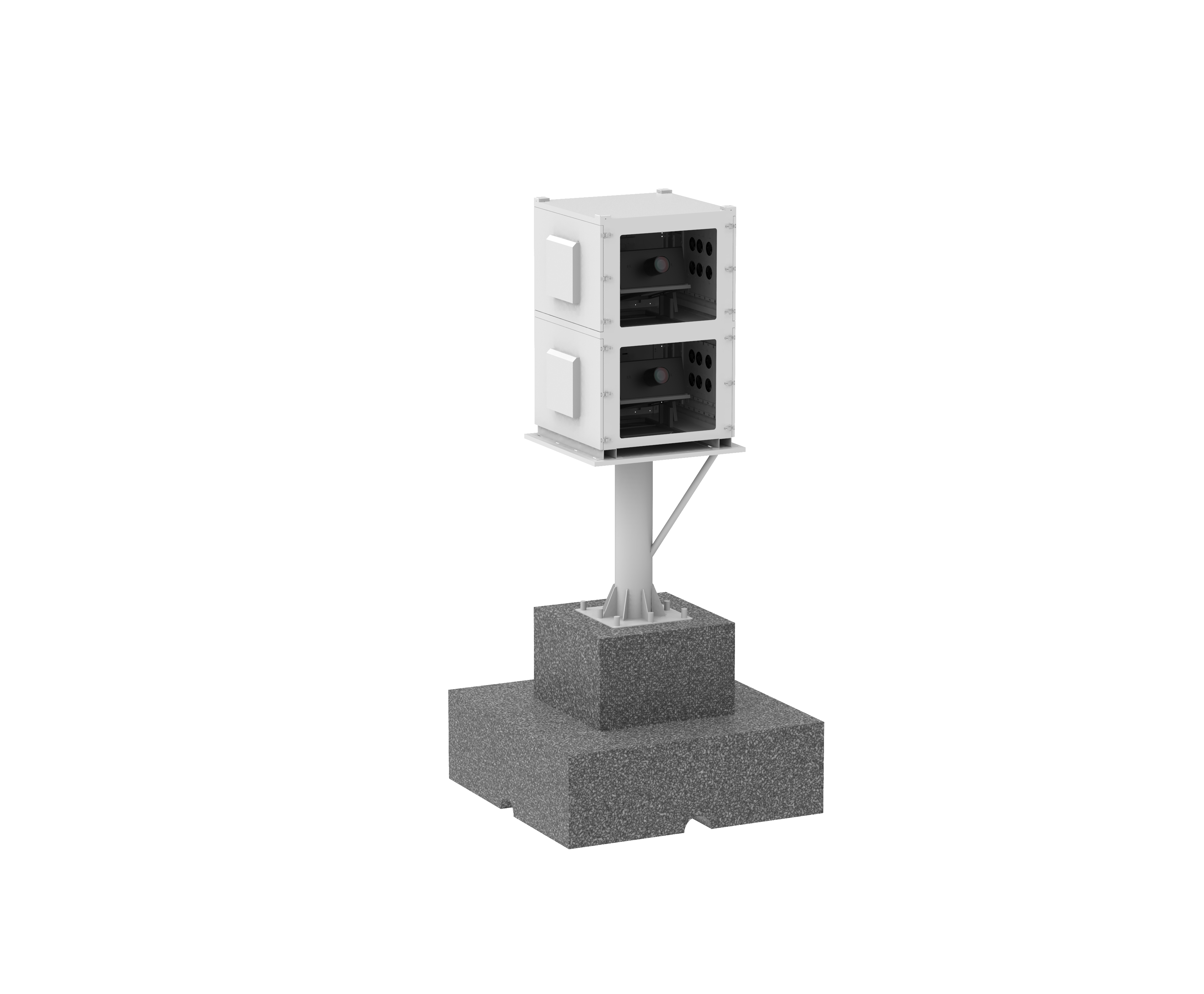
Outdoor projection systems face unique environmental challenges that can compromise both performance and longevity. An outdoor projector cabinet serves as a critical protective solution, shielding expensive equipment from weather exposure, physical damage, and unauthorized access. Understanding how an outdoor projector cabinet enhances safety helps facility managers and event planners make informed decisions about equipment investment and site security. This comprehensive guide explains the protective mechanisms of an outdoor projector cabinet and its role in maintaining operational reliability.
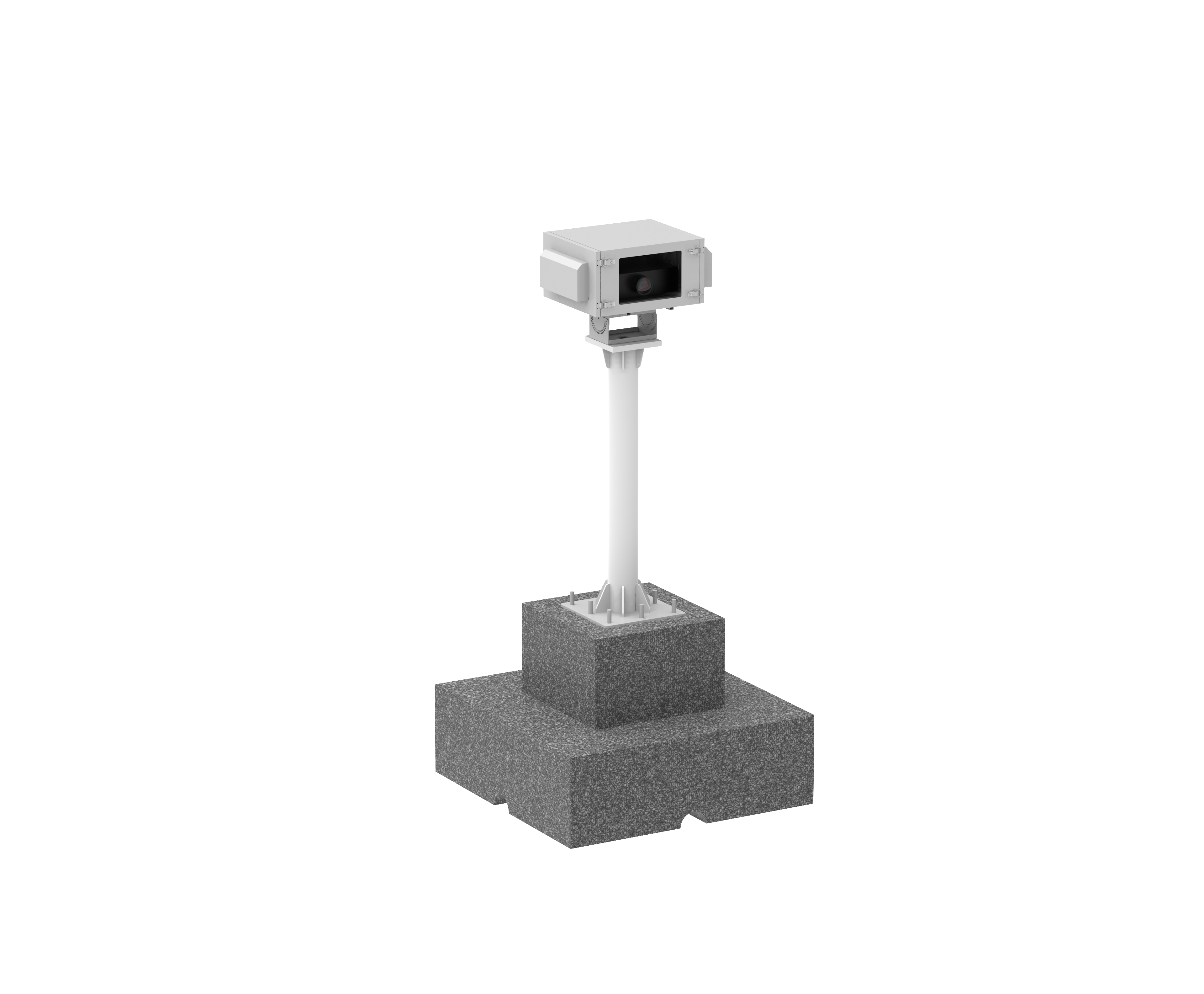
Outdoor environments present constant threats to projection equipment, from extreme temperature fluctuations to humidity, UV radiation, and debris accumulation. An outdoor projector cabinet addresses these hazards through engineered design features that work together to create a controlled microenvironment. By installing an outdoor projector cabinet, operators reduce equipment failure rates, extend asset lifespan, and minimize costly downtime. The safety improvements provided by an outdoor projector cabinet extend beyond weather protection to include theft prevention, vandalism resistance, and operational safety for personnel.
Environmental Protection Through Weatherproof Design
Temperature and Humidity Control in an Outdoor Projector Cabinet
Projectors contain sensitive optical components and electronic circuits that perform optimally within narrow temperature and humidity ranges. An outdoor projector cabinet incorporates ventilation systems and thermal management features that stabilize internal conditions regardless of external weather patterns. The cabinet's insulated walls reduce thermal shock from rapid temperature swings, while passive or active ventilation prevents moisture buildup that causes condensation and component corrosion. When an outdoor projector cabinet maintains these controlled conditions, equipment operates reliably even during seasonal temperature extremes or high-humidity environments like coastal installations.
Water and Dust Sealing Standards
Quality outdoor projector cabinet designs meet IP54 or higher ingress protection ratings, meaning they resist dust intrusion and moderate water spray from any direction. The cabinet's sealed construction prevents rainwater, sea spray, or irrigation moisture from reaching internal projector components and electrical connections. Gasket seals around access panels and cable entry ports maintain integrity over extended outdoor exposure. An outdoor projector cabinet equipped with these sealing features eliminates a leading cause of equipment failure in outdoor installations. Regular inspection of seal condition ensures an outdoor projector cabinet maintains its protective barrier over the equipment's operational lifetime.
Security and Theft Prevention Features
Physical Barriers Against Unauthorized Access
High-value projection equipment attracts theft, particularly in unsupervised outdoor venues or temporary installations. An outdoor projector cabinet provides a robust physical barrier with lockable access panels and reinforced hinges that deter casual tampering. The solid construction materials used in an outdoor projector cabinet resist cutting, prying, or forced entry attempts. Installing an outdoor projector cabinet transforms loose equipment into a secured asset that requires deliberate effort and tools to access. Combined with visible locking mechanisms, an outdoor projector cabinet significantly reduces theft risk compared to exposed equipment mounting.
Integrated Cable Management and Secure Connection Points
An outdoor projector cabinet consolidates cable routing and secure connection points within its enclosed structure, reducing the ability to disconnect or disable the projector remotely. Cable entry ports can be sealed after installation, and internal power connections can be housed behind locked panels. This design prevents opportunistic sabotage or unauthorized equipment reconfiguration. When operators use an outdoor projector cabinet with proper cable management, they maintain control over equipment function and operational parameters. Secure cable architecture also protects against accidental disconnection from maintenance workers or venue personnel unfamiliar with system setup.
Operational Safety and Equipment Preservation
Thermal Management and Fan Performance
Projectors generate significant heat during operation, and outdoor environments can complicate cooling performance through ambient heat exposure and dust accumulation on cooling fins. An outdoor projector cabinet design includes dedicated thermal pathways, filter replaceable fans, and heat dissipation features that maintain optimal operating temperatures. Overheating is a primary cause of projector failures and reduced lamp life; an outdoor projector cabinet prevents thermal stress by isolating equipment from environmental heat and improving airflow efficiency. Operators using an outdoor projector cabinet experience fewer thermal shutdown events and longer equipment service intervals, directly improving venue reliability.
Maintenance Access and Component Longevity
An outdoor projector cabinet design balances protection with accessibility, incorporating hinged panels or removable sections that allow technicians to perform maintenance without full equipment exposure. Dedicated filter compartments within an outdoor projector cabinet enable regular dust removal and air quality management. Cleanable or replaceable air filters protect internal optical and electronic components from accumulated debris. By maintaining an outdoor projector cabinet with routine filter changes and inspection procedures, operators preserve equipment performance and prevent premature component degradation. This preventive maintenance approach, enabled by an outdoor projector cabinet's design, yields measurable cost savings over equipment lifetime.
Selection and Installation Considerations
Matching Cabinet Specifications to Environmental Conditions
Different outdoor environments demand different outdoor projector cabinet specifications. Coastal installations require enhanced corrosion resistance through stainless steel or powder-coated materials in an outdoor projector cabinet design. Desert or high-UV environments benefit from UV-stabilized materials and enhanced thermal capacity within an outdoor projector cabinet. Tropical or high-humidity regions need an outdoor projector cabinet with superior moisture barriers and drainage features. Evaluating site-specific conditions allows selection of an outdoor projector cabinet configuration that provides maximum protection for the intended environment. Undersizing protection or selecting inappropriate materials reduces the effectiveness of an outdoor projector cabinet's safety benefits.
Proper Installation and Positioning
The protective benefits of an outdoor projector cabinet depend significantly on correct installation positioning and orientation. Mounting an outdoor projector cabinet with cable entries facing downward and protective overhangs preventing direct water spray optimizes weather protection. Ensuring adequate airflow around an outdoor projector cabinet's ventilation openings prevents thermal accumulation. Securing an outdoor projector cabinet to stable mounting structures prevents wind-induced vibration or displacement. Professional installation of an outdoor projector cabinet ensures all safety features function as designed and that equipment positioning meets operational requirements. Poor installation compromises the protective capacity that makes an outdoor projector cabinet valuable.
FAQ
What specific weather conditions does an outdoor projector cabinet protect against?
An outdoor projector cabinet protects against rain, snow, sea spray, high wind, UV radiation, extreme temperature fluctuations, and dust accumulation. Quality outdoor projector cabinet designs maintain protection across seasonal weather variations and support year-round operation in challenging climates.
How does an outdoor projector cabinet extend equipment lifespan?
An outdoor projector cabinet reduces environmental stress on components through thermal regulation, humidity control, and contamination prevention. By minimizing operational strain and protecting sensitive electronics from weather exposure, an outdoor projector cabinet helps projectors maintain performance specifications longer and reduces the frequency of expensive repairs or replacements.
Can an outdoor projector cabinet accommodate different projector sizes and models?
Many outdoor projector cabinet designs offer adjustable mounting brackets and internal dimensions that accommodate various projector sizes. Selecting an outdoor projector cabinet with appropriate internal volume and mounting flexibility ensures compatibility with current equipment and allows for future upgrades without cabinet replacement.