
 EN
EN
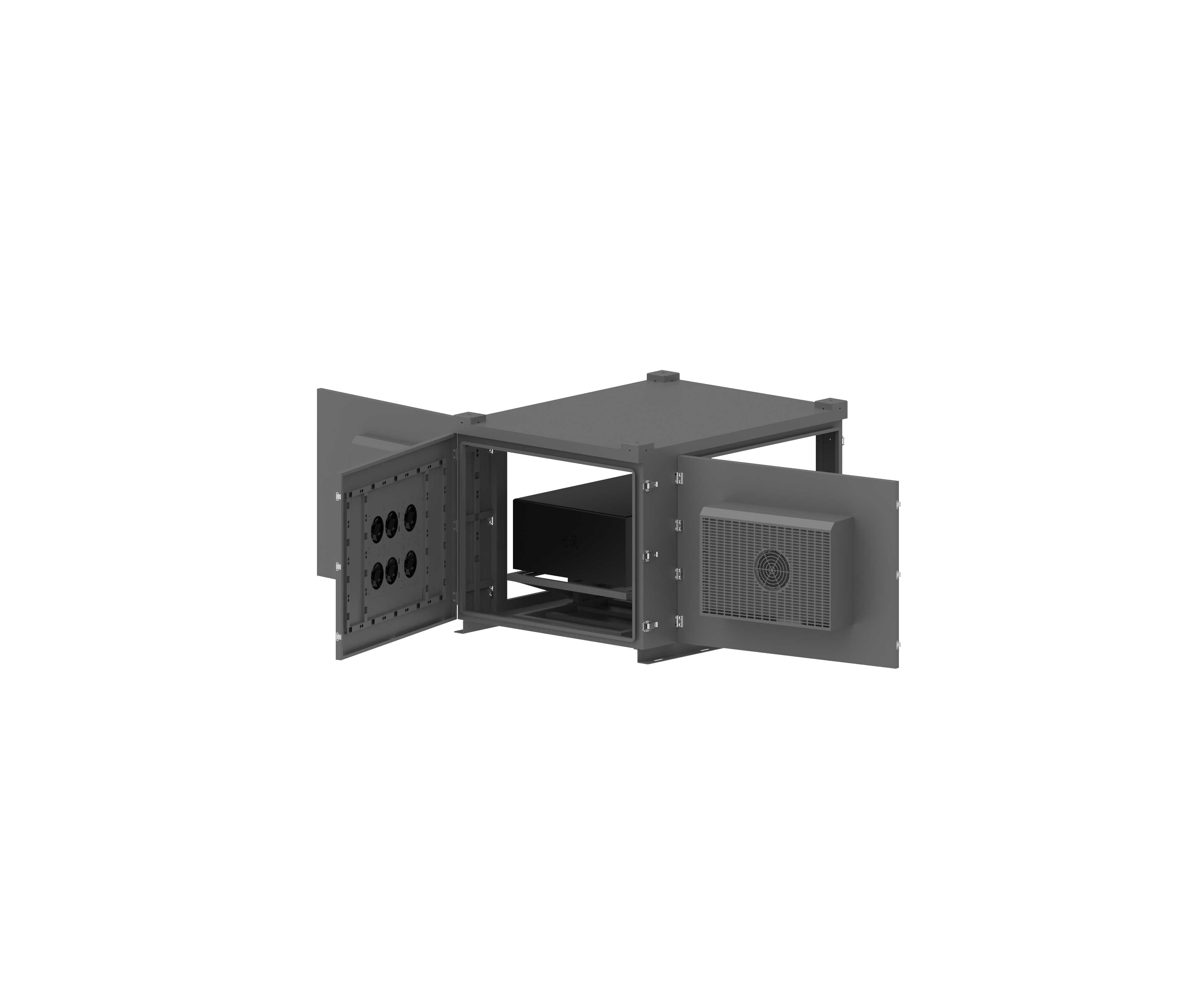
Outdoor projection requires equipment that withstands harsh environmental conditions, which is why a waterproof projector case has become indispensable for anyone serious about outdoor presentations, events, or installations. Weather exposure, temperature fluctuations, moisture, dust, and UV radiation can severely damage projection equipment, leading to costly repairs or premature replacement. A properly designed waterproof projector case protects your investment while ensuring consistent performance in unpredictable outdoor environments. Understanding the key features that make a waterproof projector case essential helps you make informed purchasing decisions and maximize the lifespan of your projector equipment.
The modern outdoor events industry relies heavily on projection technology for advertising, entertainment, sports, and corporate communications. However, without adequate protection, even premium projectors face significant operational risks. A waterproof projector case serves as a comprehensive shield against environmental hazards, ensuring your equipment remains functional, safe, and protected throughout its operational life. Selecting the right waterproof projector case requires knowledge of specific protective features that directly impact equipment durability and performance reliability.
Waterproofing and Seal Integrity
IP Rating Standards and Water Protection Levels
The waterproof projector case industry relies on standardized IP (Ingress Protection) ratings to communicate protection levels to consumers and professionals. An IP65-rated waterproof projector case, for example, provides complete dust protection and resists water jets from any direction, making it suitable for most outdoor applications. The first digit in the IP rating addresses solid particle protection, while the second digit specifically measures water resistance. Understanding these ratings helps ensure your waterproof projector case meets the environmental demands of your specific outdoor setting. Professional venues and rental companies prioritize IP65 or higher ratings because they guarantee consistent protection across varying weather conditions.
Gasket and Seal Design Features
A reliable waterproof projector case depends entirely on gasket materials and seal design that prevent moisture ingress at every access point. High-quality gaskets made from rubber compounds maintain flexibility in temperature extremes while creating airtight seals that water cannot penetrate. The waterproof projector case seal design must accommodate mounting brackets, cable entries, and ventilation requirements without compromising protection. Double-seal systems and reinforced gasket channels represent advanced engineering in modern waterproof projector case construction. Proper gasket maintenance and periodic replacement ensure your waterproof projector case maintains its protective capabilities over many seasons of outdoor operation.
Material Construction and Durability
Metal Fabrication and Structural Integrity
Premium waterproof projector case manufacturers employ sheet metal fabrication techniques to create robust protective enclosures that resist corrosion, impact damage, and UV degradation. Steel and aluminum construction provides the structural strength necessary to support projector weight while withstanding environmental stresses. A waterproof projector case fabricated from quality metals resists rust formation, maintains dimensional stability in temperature fluctuations, and provides superior dent resistance compared to plastic alternatives. The metal material selection in a waterproof projector case directly influences its longevity and protection effectiveness in coastal, humid, or chemically challenging outdoor environments. Heavy-duty fabrication in a waterproof projector case ensures compliance with industrial standards for equipment protection and asset preservation.
Corrosion Resistance and Surface Treatments
Outdoor exposure requires a waterproof projector case with advanced surface treatments that prevent rust, oxidation, and material degradation. Powder coating, galvanization, and specialized paint systems protect a waterproof projector case from salt spray, acid rain, and prolonged UV exposure that typically corrodes unprotected metal surfaces. The waterproof projector case coating acts as a barrier layer, extending structural integrity and maintaining aesthetic appearance throughout years of outdoor deployment. Superior corrosion resistance in a waterproof projector case becomes essential in coastal environments, industrial areas, or regions with harsh weather patterns. Regular inspection and maintenance of the protective coating ensure your waterproof projector case continues performing optimally over extended installation periods.
Temperature Control and Environmental Protection
Thermal Management and Ventilation Systems
A waterproof projector case must balance moisture exclusion with adequate ventilation to prevent heat accumulation that damages sensitive projector components. Strategic ventilation design in a waterproof projector case allows heat dissipation while incorporating moisture barriers and filters that block water penetration. Passive cooling systems in a waterproof projector case work through natural convection and strategically positioned vents, while active systems incorporate fans and temperature sensors for optimal thermal regulation. The waterproof projector case design must accommodate the specific cooling requirements of your projector model to prevent overheating and thermal shutdown during extended outdoor use. Professional-grade waterproof projector case systems often include thermostatic controls and humidity sensors that monitor environmental conditions continuously.
UV Protection and Material Longevity
Extended outdoor exposure exposes a waterproof projector case to intense ultraviolet radiation that degrades plastic components, fades finishes, and weakens seal materials over time. Premium waterproof projector case designs incorporate UV-stabilized materials and protective coatings that resist sun damage while maintaining structural properties. The waterproof projector case material selection should prioritize UV resistance to ensure long-term durability and consistent protection throughout multiple years of outdoor operation. Advanced waterproof projector case systems include reflective surfaces and thermal barriers that reduce internal temperature buildup while protecting delicate internal components from UV damage. Material science innovations ensure modern waterproof projector case products maintain structural integrity and seal effectiveness even after extended exposure to intense solar radiation.
Installation Flexibility and Accessibility
Mounting Options and Cable Management
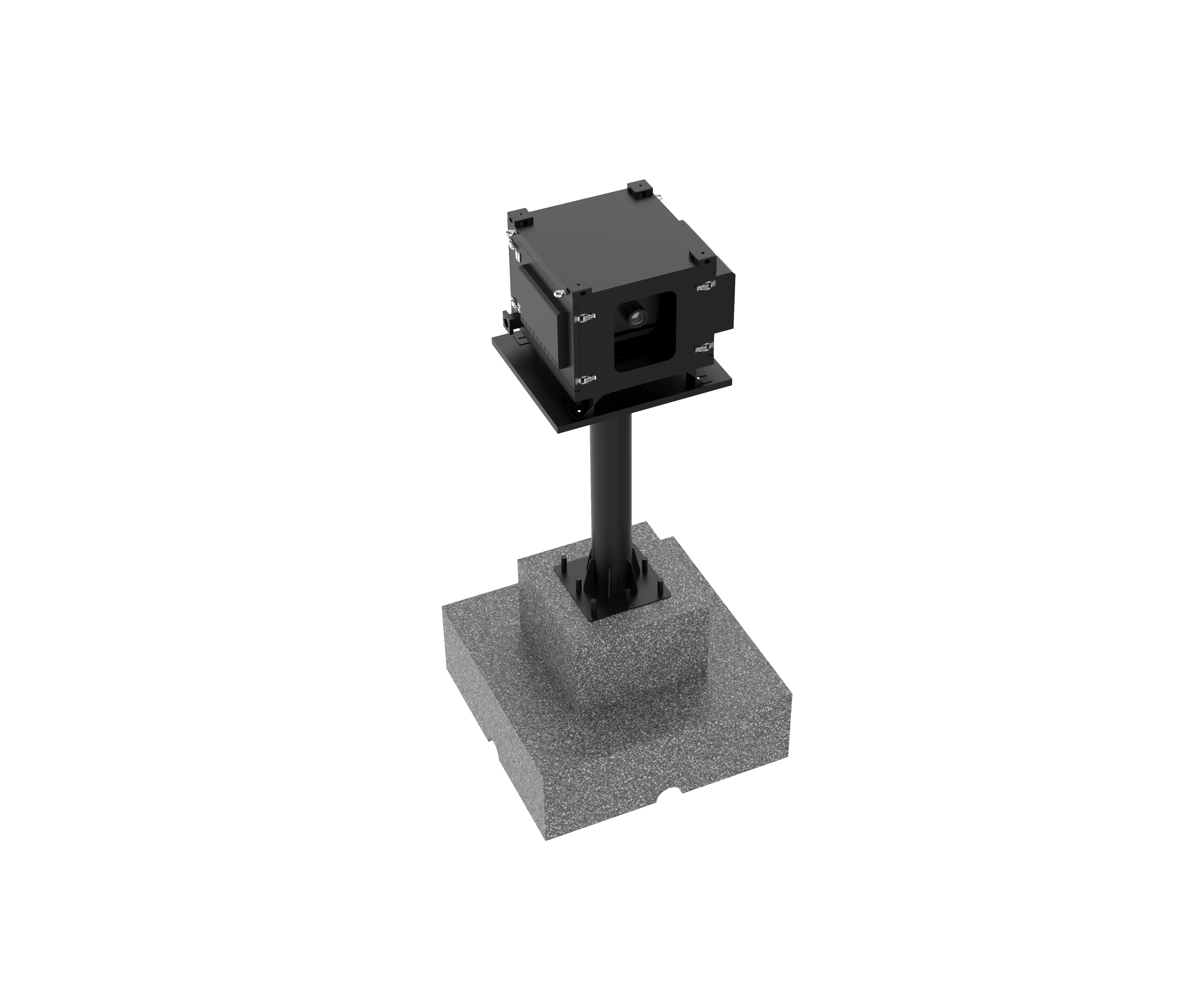
Practical outdoor deployment requires a waterproof projector case with multiple mounting configurations that accommodate various installation scenarios and structural constraints. Bracket systems in a waterproof projector case must distribute projector weight safely while remaining secure in wind, vibration, and environmental stress conditions. Cable entry systems in a waterproof projector case need careful engineering to maintain water protection while allowing necessary power and signal connections. A well-designed waterproof projector case facilitates quick installation and removal cycles typical in rental, event, and temporary deployment applications. Strategic cable management prevents water pooling at connection points and reduces maintenance requirements for long-term outdoor installations.
Access Design and Maintenance Considerations
User-friendly access panels and removable components distinguish professional-grade waterproof projector case designs from basic protective enclosures. Hinged doors and quick-release fasteners in a waterproof projector case allow efficient maintenance, filter replacement, and equipment inspection without compromising protective integrity. The waterproof projector case interior layout should organize mounting points, cable routing, and ventilation channels for intuitive service procedures that minimize downtime. Easy access to air filters, thermal sensors, and diagnostic components ensures your waterproof projector case remains maintainable throughout its operational life. Thoughtful design in a waterproof projector case balances security and protection with practical accessibility requirements of outdoor equipment managers.
FAQ
Why is a waterproof projector case necessary for outdoor installations?
Outdoor environments expose projectors to rain, moisture, dust, UV radiation, and temperature extremes that cause rapid equipment degradation and failure. A waterproof projector case provides comprehensive protection against these hazards, preventing costly damage repairs and ensuring consistent projection performance throughout the installation period. Without adequate protection, even high-quality projectors face shortened lifespans and unpredictable operational interruptions that compromise event quality and professional reputation.
What IP rating should I look for in a waterproof projector case?
An IP65-rated waterproof projector case offers excellent protection for most outdoor applications, providing complete dust protection and resistance to water jets from any direction. Higher ratings like IP67 provide immersion protection for temporary submersion, while lower ratings like IP54 may suffice for covered outdoor areas with minimal direct water exposure. Your specific IP rating selection depends on geographic location, weather patterns, installation duration, and proximity to water sources or splash zones.
How often should I maintain my waterproof projector case?
Regular maintenance extends your waterproof projector case lifespan and ensures sustained protection effectiveness. Inspect gaskets and seals quarterly, clean air filters monthly, and check for corrosion or coating damage seasonally. Professional servicing annually ensures thermal sensors, ventilation systems, and electrical connections remain functional and ready for optimal performance during critical outdoor events.