
 EN
EN
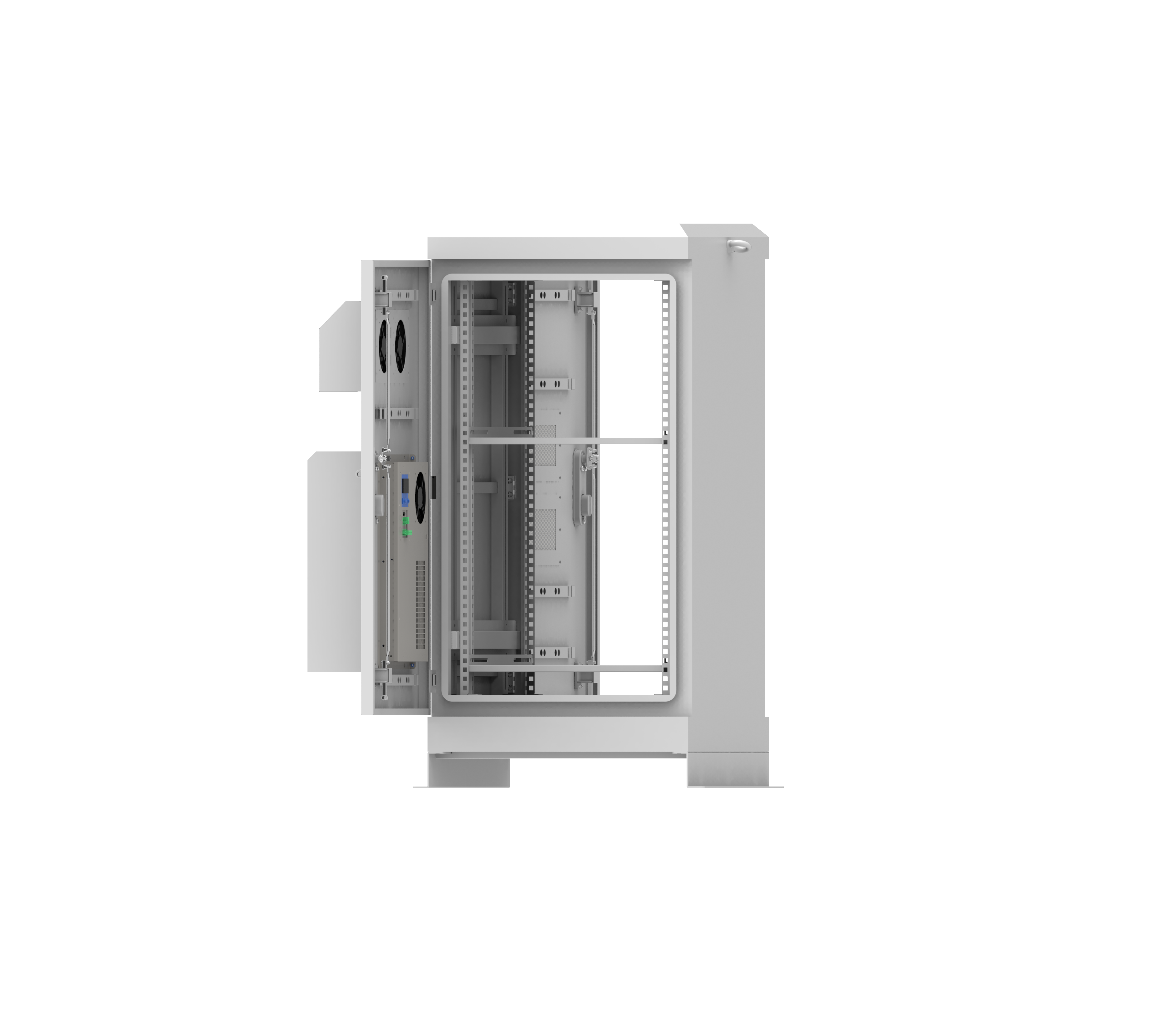
Outdoor network cabinets operate in harsh environmental conditions where material selection directly determines equipment lifespan, uptime, and total cost of ownership. When organizations deploy networking infrastructure outdoors, the robustness of the cabinet enclosure becomes as critical as the electronics inside. Outdoor network cabinet sheet metal fabrication quality separates systems that last decades from those requiring premature replacement due to corrosion, structural failure, or seal degradation.
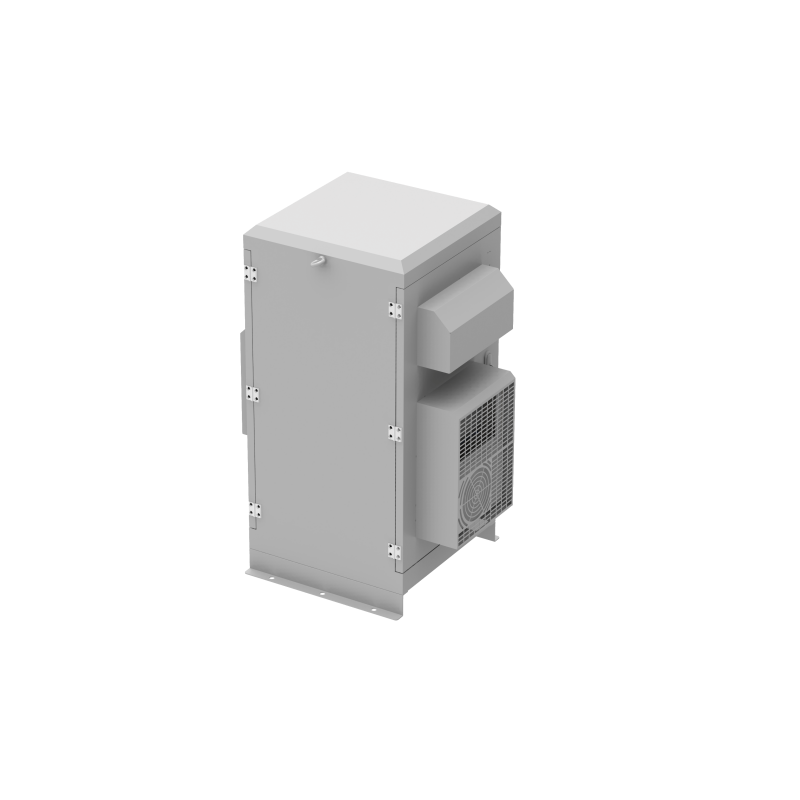
The foundation of outdoor network cabinet sheet metal fabrication lies in material composition, gauge thickness, surface treatments, and welding techniques. A properly fabricated cabinet resists weather penetration, thermal cycling stress, electromagnetic interference, and physical impact while maintaining structural integrity under load. Understanding how material properties affect cabinet performance helps organizations avoid costly field failures and optimize infrastructure investment.
Steel Grade Selection and Corrosion Resistance
Why Steel Grade Matters in Outdoor Network Cabinet Sheet Metal Fabrication
Carbon steel serves as the baseline material for most outdoor network cabinet sheet metal fabrication projects, but not all carbon steel performs equally in outdoor environments. Standard mild steel contains iron and carbon but lacks natural corrosion resistance, making it vulnerable to rust formation when exposed to moisture, salt air, and temperature fluctuations. Galvanized steel, created by applying a zinc coating to carbon steel, provides significantly better protection by sacrificing the zinc layer before rust can attack the underlying metal.
Stainless steel represents the premium option for outdoor network cabinet sheet metal fabrication in corrosive environments such as coastal installations, industrial zones, or areas with aggressive chemical exposure. Grades like 304 and 316 stainless steel contain chromium and nickel, which form a self-healing oxide layer that resists corrosion without requiring additional coatings. While stainless steel costs more than galvanized steel, the elimination of surface preparation and recoating cycles over the cabinet lifetime often justifies the investment in demanding applications.
Gauge Thickness and Structural Integrity
Outdoor network cabinet sheet metal fabrication thickness directly impacts dent resistance, wind load capacity, and long-term structural reliability. Industry standards typically specify 18-gauge to 14-gauge steel for cabinet walls, with thicker gauges used in regions prone to high winds, heavy snow loads, or frequent thermal stress. Thinner gauge materials reduce material costs but compromise rigidity, increase susceptibility to deformation during transport or installation, and may fail under environmental stress.
Properly engineered outdoor network cabinet sheet metal fabrication incorporates ribbed or corrugated reinforcement patterns that increase bending strength without proportionally increasing weight or material volume. These structural features distribute lateral forces more effectively, allowing cabinets to meet wind ratings exceeding 120 mph while maintaining reasonable wall thickness and overall fabrication cost.
Surface Treatments and Protective Coatings
Galvanizing and Hot-Dip Coating Processes
Hot-dip galvanizing remains the most cost-effective surface treatment for outdoor network cabinet sheet metal fabrication in moderate corrosion environments. This process immerses fabricated steel components in molten zinc, creating a metallurgical bond that provides barrier protection and cathodic protection through sacrificial zinc oxidation. The resulting coating thickness typically ranges from 45 to 85 microns, offering protection periods of 20 to 50 years depending on environmental severity and maintenance practices.
Two-stage coating systems enhance outdoor network cabinet sheet metal fabrication durability by combining hot-dip galvanizing with a polyester or polyurethane topcoat. The zinc layer provides primary corrosion resistance while the topcoat protects against UV degradation, chalk formation, and aesthetic deterioration. This hybrid approach extends cabinet aesthetics and protection in coastal or chemically aggressive environments where galvanizing alone may show cosmetic degradation after 5 to 10 years.
Polyester Powder Coating and Advanced Finishes
Powder coating systems applied over properly prepared steel surfaces create durable, environmentally friendly finishes suitable for outdoor network cabinet sheet metal fabrication. The electrostatic process applies a dry powder that fuses into a continuous, pinhole-free layer during thermal curing, eliminating the off-gassing and environmental concerns associated with liquid paint systems. Polyester powder coatings offer superior UV resistance, color retention, and impact strength compared to conventional paint finishes.
Advanced outdoor network cabinet sheet metal fabrication specifications increasingly incorporate polyurethane or polyvinylidene fluoride (PVDF) coatings in extremely corrosive environments. PVDF coatings, commonly used on architectural aluminum, provide exceptional salt spray resistance, UV stability, and self-cleaning properties through hydrophobic surface characteristics. These premium finishes cost significantly more but reduce maintenance requirements and extend cabinet life to 30+ years in coastal or industrial zones.
Welding Quality and Structural Continuity
Weld Joint Integrity in Outdoor Network Cabinet Sheet Metal Fabrication
Welds represent stress concentration points in outdoor network cabinet sheet metal fabrication where material discontinuity, trapped gases, or inadequate fusion can initiate corrosion or structural failure. Continuous-seam welding provides superior corrosion resistance compared to intermittent spot welding by eliminating crevices where moisture and electrolytes can accumulate. MIG welding, TIG welding, and automated robotic processes ensure consistent penetration, bead geometry, and heat input across all seams in critical outdoor network cabinet sheet metal fabrication applications.
Post-weld treatment significantly improves outdoor network cabinet sheet metal fabrication reliability by removing slag, oxide layers, and surface contamination that accelerate corrosion initiation. Wire brushing, pickling, or grinding of weld seams followed by passivation treatments removes iron particles embedded in stainless steel, preventing localized corrosion. Stress-relief heat treatment in structural components reduces residual tensile stress and improves fatigue resistance under thermal cycling.
Cable Entry and Seal Design
Cable management penetrations represent critical failure points in outdoor network cabinet sheet metal fabrication where moisture ingress typically begins. Proper design incorporates sealed cable glands, drip loops, and pressure equalization ports that prevent water accumulation while accommodating thermal expansion. Outdoor network cabinet sheet metal fabrication specifications should include marine-grade EMC cable glands with multiple sealing stages and UV-resistant elastomer compounds rated for the expected temperature range.
Gasket materials used in outdoor network cabinet sheet metal fabrication door seals and panel interfaces degrade when exposed to ozone, UV radiation, and temperature extremes common in outdoor installations. Neoprene and EPDM gaskets provide reliable short-term performance, while fluoroelastomer and silicone compounds maintain sealing integrity over 15 to 20-year outdoor service periods without regular maintenance or replacement.
FAQ
What stainless steel grade best suits outdoor network cabinet sheet metal fabrication in coastal environments?
Grade 316 stainless steel outperforms 304 stainless in coastal outdoor network cabinet sheet metal fabrication due to higher molybdenum content, which enhances salt spray resistance and pitting corrosion protection. Coastal salt air contains chloride ions that penetrate the passive oxide layer of 304 stainless, potentially initiating localized corrosion after 3 to 5 years. Grade 316 maintains integrity significantly longer with proper surface preparation and periodic rinsing to remove accumulated salt deposits.
How often should outdoor network cabinet sheet metal fabrication coatings be inspected and maintained?
Annual visual inspections of outdoor network cabinet sheet metal fabrication coatings detect early-stage corrosion, pinhole defects, and seal degradation before failure occurs. In extreme environments such as coastal zones or industrial sites, semi-annual inspections combined with spring rinsing to remove accumulated contaminants significantly extend cabinet life. Minor coating damage can be spot-repaired with matched polyester or epoxy touchup materials, while widespread coating failure typically requires professional refinishing rather than patch treatment.
Can outdoor network cabinet sheet metal fabrication withstand extreme temperature cycling without structural degradation?
Properly designed outdoor network cabinet sheet metal fabrication maintains structural integrity through temperature cycling from -40°C to +60°C with minimal dimensional change or material fatigue. Material selection, gasket flexibility, and pressure equalization design accommodate thermal expansion without creating stress concentrations. However, cabinet interiors may require active thermal management through fans or heat exchangers if internal component loads exceed passive convection capabilities during extreme temperature swings.
Table of Contents
- Steel Grade Selection and Corrosion Resistance
- Surface Treatments and Protective Coatings
- Welding Quality and Structural Continuity
-
FAQ
- What stainless steel grade best suits outdoor network cabinet sheet metal fabrication in coastal environments?
- How often should outdoor network cabinet sheet metal fabrication coatings be inspected and maintained?
- Can outdoor network cabinet sheet metal fabrication withstand extreme temperature cycling without structural degradation?