
 EN
EN
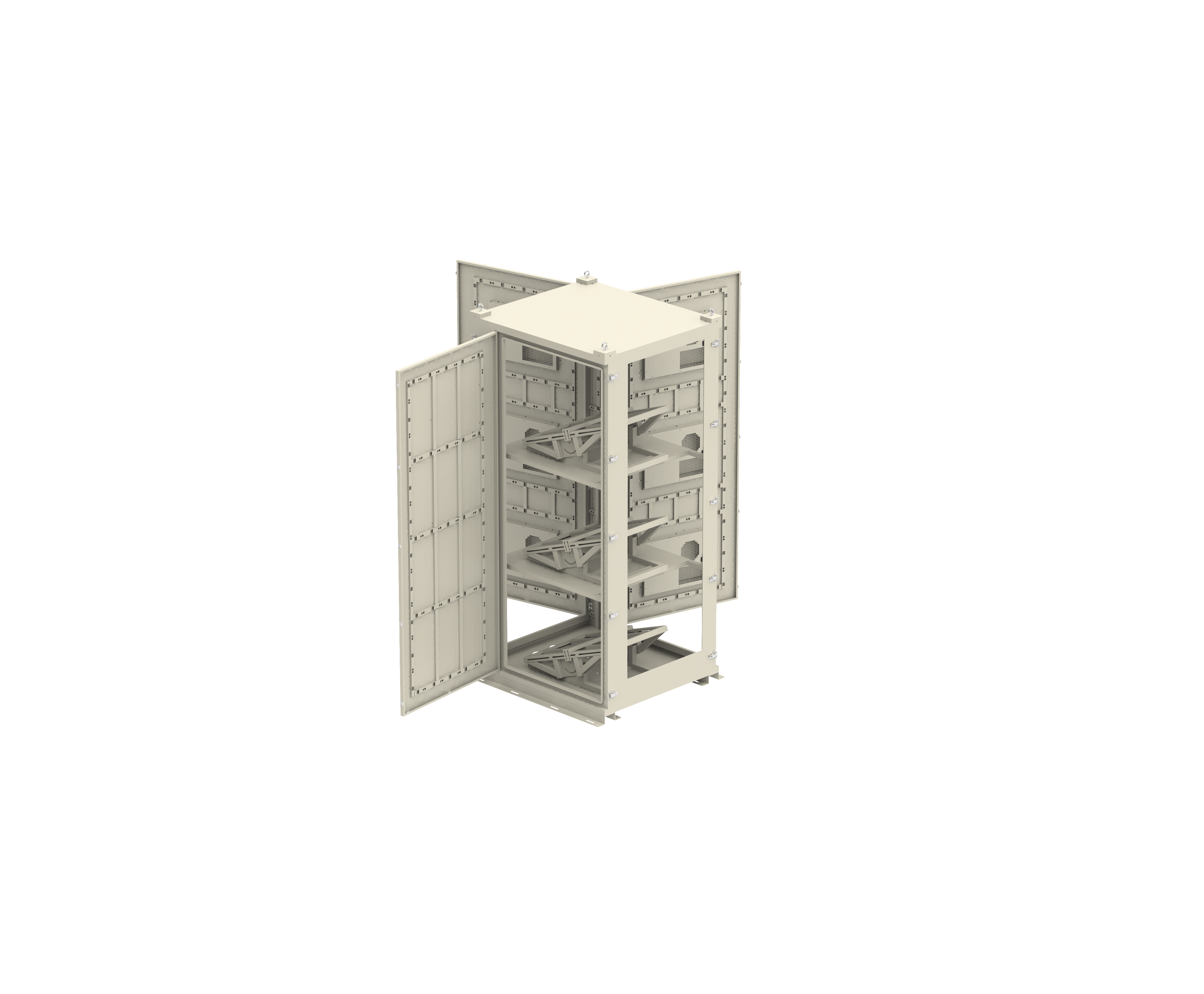
Deploying a projector outdoors introduces a set of challenges that indoor installations simply never face. Rain, humidity, condensation, dust, and fluctuating temperatures can all compromise sensitive optical and electronic components within hours if left unprotected. This is precisely why a moisture-proof box has become an essential piece of infrastructure for any serious outdoor projection setup, whether for permanent commercial installations, outdoor cinema events, or long-term architectural projection mapping.
Understanding what makes a moisture-proof box truly ideal for outdoor projectors goes beyond simply looking for a waterproof label. The right enclosure must balance sealing performance, thermal management, structural durability, and ease of integration to protect the projector over months and years of continuous outdoor use. This article breaks down each of the key factors that define a high-quality moisture-proof box and explains how those factors translate into real-world protection and operational reliability for outdoor projector installations.
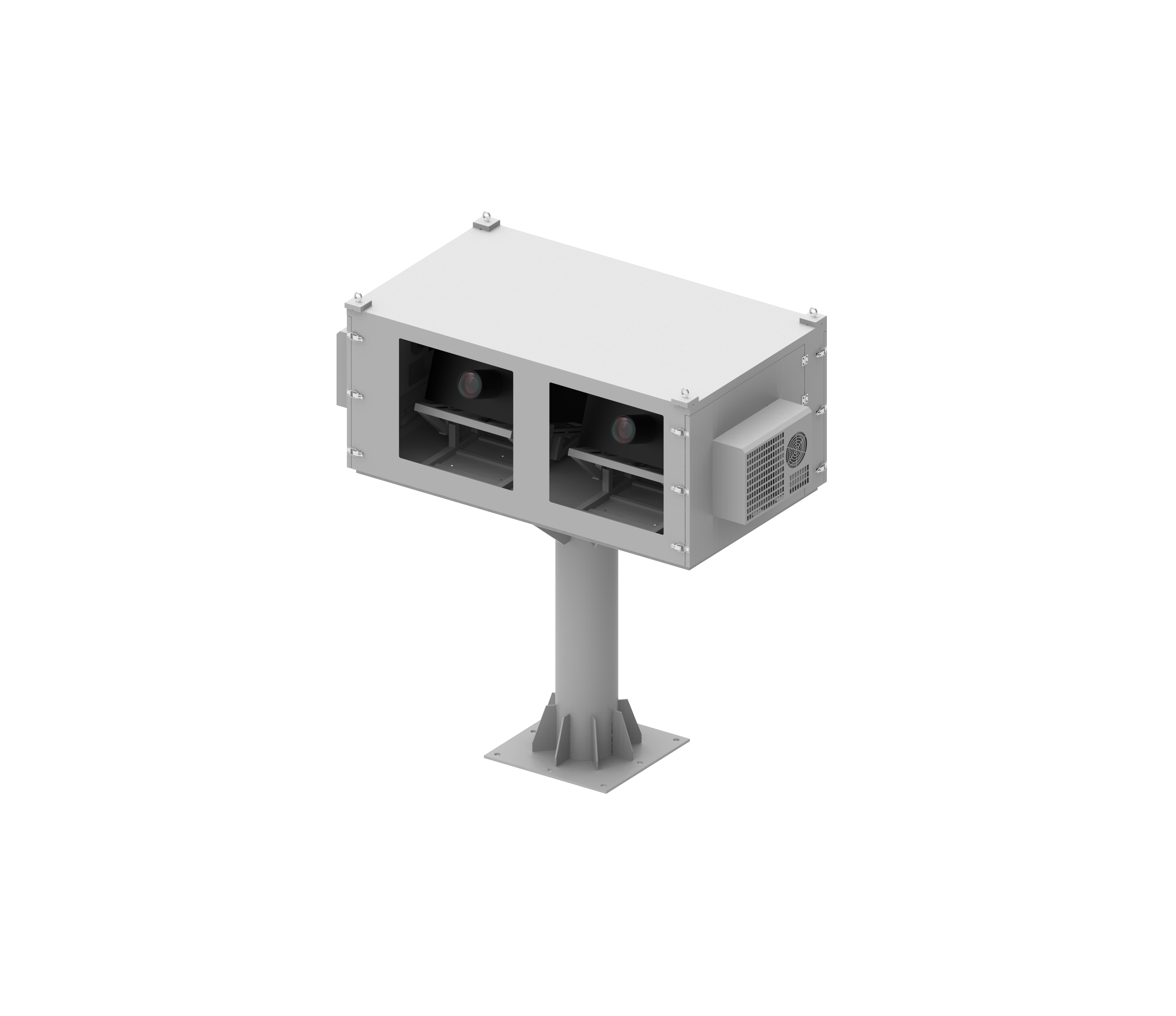
The Core Role of a Moisture-Proof Box in Outdoor Projector Protection
Why Moisture Is the Primary Threat to Outdoor Projectors
Projectors contain a dense array of sensitive electronics, precision optics, and rotating or oscillating components. Even minor moisture intrusion can cause corrosion on circuit boards, lens fogging, color wheel degradation, and light source failures. In outdoor environments, humidity levels can swing dramatically between day and night, creating condensation cycles that steadily damage unprotected equipment.
A moisture-proof box acts as the first and most critical barrier between the projector and the outdoor atmosphere. By maintaining a controlled internal environment, it prevents water vapor from reaching the components that matter most. Without this protection, even premium-grade projectors can fail well before their rated lifespan, resulting in costly replacements and operational downtime.
The moisture-proof box essentially extends the useful life of the projector by eliminating the primary environmental stressor. This is especially important for installations in coastal areas, tropical climates, or locations where morning dew and evening temperature drops create persistent condensation risks.
IP Ratings and What They Mean for Outdoor Use
The Ingress Protection rating system provides a standardized way to evaluate how well an enclosure resists solids and liquids. For outdoor projector applications, an IP65-rated moisture-proof box represents a meaningful threshold. IP65 certification means the enclosure is completely dust-tight and capable of withstanding water jets from any direction, making it suitable for most outdoor environments including open-air installations subject to rain and heavy splashing.
IP65 protection ensures that the moisture-proof box can handle not only ambient humidity but also direct water contact, which is essential for permanent outdoor installations where equipment cannot be quickly brought indoors during weather events. It removes the operational burden of monitoring weather forecasts before every use.
When evaluating a moisture-proof box, verifying that the IP rating has been tested according to recognized international standards is critical. A credible IP65-rated enclosure must demonstrate consistent sealing across all access panels, cable entry points, ventilation openings, and mounting interfaces, not just the main body of the housing.
Structural Design Features That Define an Ideal Moisture-Proof Box
Sealing Materials and Gasket Engineering
The performance of a moisture-proof box depends heavily on the quality and design of the sealing system. High-density silicone or EPDM gaskets placed around all joints, access doors, and cable conduit entries are the frontline defense against moisture infiltration. These materials must remain flexible and compressive across a wide temperature range without cracking or losing their sealing properties over years of thermal cycling.
A well-engineered moisture-proof box uses precision-machined mating surfaces that ensure uniform gasket compression when the enclosure is closed. Inconsistent compression, caused by manufacturing tolerances or warped panels, is one of the most common sources of seal failure in lower-quality enclosures. This is why structural rigidity of the housing material itself directly supports the sealing performance.
Cable management is another sealing challenge. Projectors require power cables, signal cables, and often network connections. Each penetration point in the moisture-proof box must use compression glands or sealed conduit fittings that maintain the IP65 rating while accommodating standard cabling. Poorly sealed cable entries are among the most common points of moisture intrusion in field installations.
Housing Materials Suited for Long-Term Outdoor Exposure
The choice of housing material for a moisture-proof box directly determines its resistance to UV degradation, physical impact, and corrosion. Aluminum alloys are a preferred choice for premium enclosures because they offer excellent strength-to-weight ratios, natural corrosion resistance, and effective thermal conductivity, which supports heat dissipation from the enclosed projector.
Powder-coated or anodized finishes on metal moisture-proof box housings add an additional layer of UV and corrosion protection. Over years of outdoor exposure to sunlight, rain, and atmospheric pollutants, an untreated metal surface will begin to degrade, eventually compromising the structural integrity and aesthetic quality of the installation. A durable surface treatment prevents this degradation.
In some applications, high-impact polycarbonate or ABS composite materials are used for their lighter weight and design flexibility. These materials must be UV-stabilized and impact-rated to perform reliably outdoors. The material choice should always align with the specific environmental conditions of the installation site, including temperature range, UV exposure level, and risk of physical impact.
Thermal Management Inside the Moisture-Proof Box
Why Heat Control Is as Important as Moisture Sealing
A sealed moisture-proof box creates a paradox: the same tight sealing that keeps moisture out also traps the heat generated by the projector inside. Projectors, particularly those using lamp-based or high-power laser light sources, generate substantial thermal loads during operation. Without active or passive thermal management, internal temperatures inside the moisture-proof box can rise rapidly, triggering thermal shutdown mechanisms or causing accelerated component wear.
An ideal moisture-proof box for outdoor projectors must integrate thermal management directly into its design. This can include finned heat dissipation panels, internal fans with filtered and sealed air pathways, or thermoelectric cooling modules, depending on the projector's thermal output and the ambient climate conditions at the installation site.
The thermal management system must maintain IP65 integrity while operating. Any ventilation pathway must incorporate fine mesh filters and baffled channels that allow airflow for cooling while blocking dust and water. This engineering balance is one of the more technically demanding aspects of a high-quality moisture-proof box design and is often where budget enclosures fall short.
Temperature Regulation for Cold Climates and High-Humidity Environments
In cold climates, a moisture-proof box may need to include internal heating elements to bring the projector to safe operating temperatures before startup and to prevent condensation from forming when cold equipment is exposed to warm, humid air. This is a particularly important consideration for permanent outdoor installations in regions with significant seasonal temperature variation.
Thermostat-controlled heaters inside the moisture-proof box maintain a minimum internal temperature that keeps the projector components above the dew point, eliminating the conditions under which condensation forms. This proactive approach to moisture management complements the physical sealing of the enclosure and provides an additional layer of protection against moisture damage.
In high-humidity tropical or coastal environments, the combination of sealed sealing and internal temperature management is especially powerful. By keeping the interior consistently above the dew point and sealed against external air infiltration, the moisture-proof box creates a stable microenvironment that protects the projector regardless of how extreme conditions become outside the enclosure.
Optical Performance Considerations for the Moisture-Proof Box
Front Window Design and Light Transmission Quality
For a projector to function inside a moisture-proof box, the enclosure must include a high-quality optical window through which the projected image passes. This window is a critical optical element in its own right. It must be made from optically clear, low-reflectance glass or polycarbonate that minimizes light transmission loss, color distortion, and image artifacts.
Anti-reflective coatings on the interior and exterior surfaces of the optical window reduce light loss and prevent ghost images or lens flare effects that degrade image quality. For applications requiring precise color accuracy, such as architectural projection mapping or commercial digital signage, the spectral transmission properties of the window material must be carefully evaluated when selecting a moisture-proof box.
The window must also maintain its optical clarity over years of outdoor UV exposure. Without UV-resistant glass or treated polycarbonate, the window material will yellow and become hazy over time, progressively degrading image quality. This long-term optical performance requirement is often overlooked in lower-cost moisture-proof box designs.
Lens Access and Focus Adjustment Without Breaking the Seal
Practical outdoor projector installations often require lens adjustments after initial setup, whether for focus correction, zoom changes, or shift adjustments to fine-tune image placement. An ideal moisture-proof box provides sealed access mechanisms or external adjustment interfaces that allow these adjustments to be made without opening the enclosure and breaking the IP65 seal.
Some designs incorporate sealed bellows or compression-sealed access ports aligned with the projector's lens controls. These mechanisms allow technicians to make adjustments remotely or through the enclosure wall while preserving the environmental sealing of the moisture-proof box. This feature significantly reduces maintenance complexity and downtime for permanent outdoor installations.
Remote lens control via networked interfaces is another solution that eliminates the need for physical access to lens adjustments after installation. When a moisture-proof box is paired with a projector that supports motorized lens shift, zoom, and focus, the entire installation can be calibrated and maintained remotely, which is a major operational advantage for commercial outdoor projection systems.
Installation Flexibility and Long-Term Serviceability
Mounting Options and Structural Integration
An outdoor projector installation must position the moisture-proof box accurately relative to the projection surface, whether that surface is a building facade, a dedicated outdoor screen, or a natural surface. The mounting system integrated into the moisture-proof box design must support precise angular adjustment in multiple axes while being strong enough to hold the combined weight of the enclosure and projector securely through wind loading and vibration.
Bracket-mounted moisture-proof box designs that allow pitch, yaw, and roll adjustment give installation teams the flexibility to achieve accurate image alignment without relying solely on the projector's built-in lens shift range. This flexibility reduces installation time and simplifies calibration on complex architectural surfaces or curved screens.
The mounting hardware itself must be fabricated from stainless steel or hot-dipped galvanized steel to resist corrosion over the lifetime of the installation. Corroding mounting hardware is a structural safety risk, particularly for overhead installations, and represents a failure mode that is entirely preventable through proper material selection.
Maintenance Access and Component Serviceability
Even in a well-sealed moisture-proof box, projectors require periodic maintenance including lamp replacements for lamp-based models, lens cleaning, and filter maintenance. The enclosure design must allow for these maintenance tasks to be performed efficiently without requiring complete disassembly of the installation or special tools beyond what a standard field technician would carry.
Quick-release access panels with tool-free or quarter-turn fasteners allow maintenance technicians to open the moisture-proof box, perform required service, and restore the sealed condition quickly and reliably. Access panel designs that require re-sealing with adhesive or sealant compounds are problematic in field conditions because consistent seal quality is difficult to achieve outside of a controlled workshop environment.
The long-term serviceability of the moisture-proof box itself should also be considered. Gaskets will eventually need replacement, surface coatings may require touch-up, and filters in ventilation pathways will need periodic cleaning or replacement. A moisture-proof box designed with serviceable components and standard replacement parts available from the manufacturer represents a significantly lower total cost of ownership than a sealed-for-life design that must be fully replaced when any component wears out.
FAQ
What IP rating should a moisture-proof box have for outdoor projector use?
For most outdoor projector installations, a moisture-proof box rated at IP65 or higher is recommended. IP65 provides complete dust protection and resistance to water jets from any direction, which covers the vast majority of outdoor weather conditions. For installations in exceptionally harsh environments such as near ocean spray or in areas prone to flooding, IP66 or IP67 ratings offer higher levels of water ingress protection.
Can a moisture-proof box affect the image quality of an outdoor projector?
A well-designed moisture-proof box should have minimal impact on image quality when it incorporates a high-quality optical window with anti-reflective coatings. Lower-quality enclosures may use substandard window materials that reduce light transmission, introduce color shifts, or create visible hazing over time. When selecting a moisture-proof box, always verify the optical specifications of the front window, including transmission percentage, reflectance values, and UV stability rating.
How does a moisture-proof box manage heat from the enclosed projector?
An ideal moisture-proof box integrates active or passive thermal management systems into its design. Common approaches include sealed internal fan assemblies with filtered air channels, heat-dissipating aluminum housing panels with external fins, and thermoelectric cooling modules for high-heat applications. The thermal management design must maintain internal temperatures within the projector's safe operating range while preserving the IP-rated sealing of the enclosure.
Is a moisture-proof box suitable for all outdoor projector types and brands?
Most professional moisture-proof box designs are engineered to accommodate projectors within a defined size and weight range, and many are adjustable to fit multiple projector models within that range. When selecting a moisture-proof box, verify the internal cavity dimensions against the projector's physical footprint, confirm that cable entry points align with the projector's connector layout, and ensure that the thermal management capacity is sufficient for the projector's heat output rating. Universal mounting brackets inside the enclosure allow fitting of various projector models within the supported size class.
Table of Contents
- The Core Role of a Moisture-Proof Box in Outdoor Projector Protection
- Structural Design Features That Define an Ideal Moisture-Proof Box
- Thermal Management Inside the Moisture-Proof Box
- Optical Performance Considerations for the Moisture-Proof Box
- Installation Flexibility and Long-Term Serviceability
- FAQ