
 EN
EN
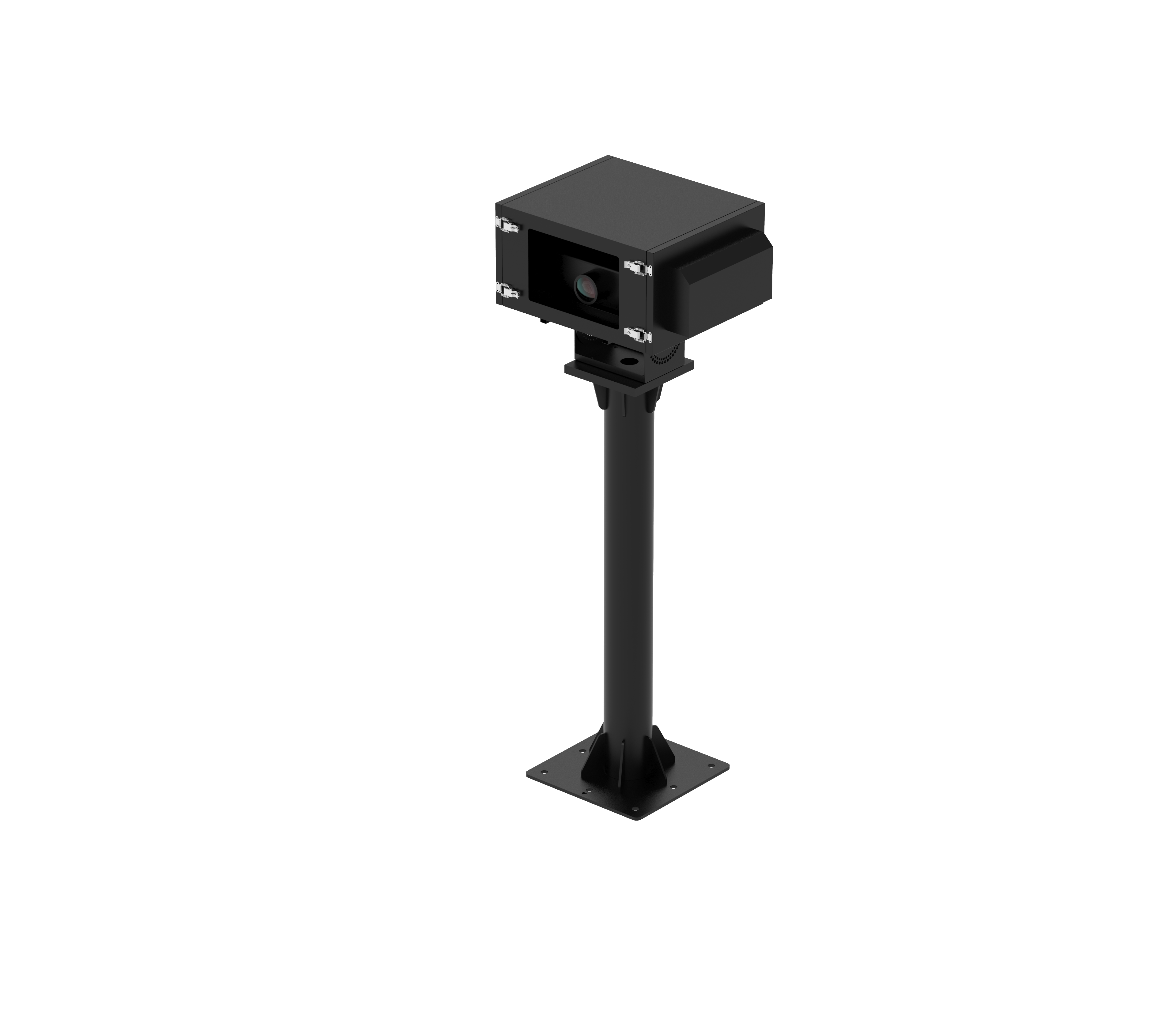
عند تركيب جهاز عرض خارجي، فإنه يواجه معركة لا هوادة فيها ضد العوامل الجوية. فالرطوبة، والتكثُّف، ورشات المطر، وتقلبات درجات الحرارة تُشكِّل تهديداتٍ مستمرةً قد تؤدي بصمتٍ إلى تدهور المكونات الداخلية الحساسة. وبغياب الحماية المناسبة، حتى أجهزة العرض المتطوِّرة قد تتعرَّض لتَعَطُّل العدسة بسبب التكثُّف، أو تآكل لوحات الدوائر الكهربائية، أو حتى فشل كهربائي تام خلال أشهر قليلة من الاستخدام في الأماكن المفتوحة. وفهم طريقة عمل مقاوم للرطوبة لجهاز عرض خارجي في منع هذا النوع من التلف أمرٌ بالغ الأهمية لأي شركة أو محترف تركيب يسعى إلى تحقيق موثوقية طويلة الأمد في البيئات المفتوحة.
صندوق مقاوم للرطوبة مخصص لتشغيل أجهزة العرض في الأماكن المفتوحة، صُمم خصيصًا لإنشاء بيئة دقيقة محكومة حول جهاز العرض، معزِلًا إياه عن الرطوبة والملوثات المحيطة. وهذا لا يقتصر على مجرد إضافة غلاف مقاوم للعوامل الجوية — بل يتضمَّن نظامًا متعدد الطبقات يشمل الإغلاق المحكم وإدارة التهوية والتنظيم الحراري، الذي يعمل مجتمعًا على حماية كل جزء حساس من الجهاز. وتوضِّح هذه المقالة الآليات الأساسية التي يعتمدها صندوق مقاومة الرطوبة لأجهزة العرض الخارجية لمنع التلف، ما يساعدك على اتخاذ قرارٍ مستنيرٍ بشأن حماية استثمارك في أنظمة الصوت والصورة الخارجية.
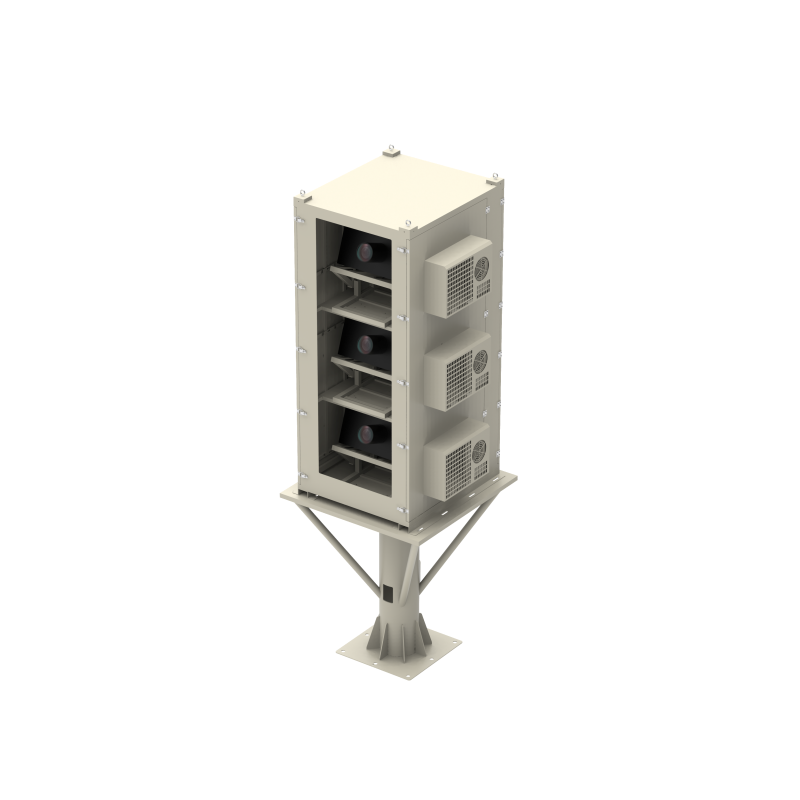
المخاطر الأساسية للتلف التي يتصدَّى لها صندوق مقاومة الرطوبة لأجهزة العرض الخارجية
كيف تدمِّر الرطوبة مكونات جهاز العرض
الرطوبة تُعَدُّ على الأرجح العامل البيئي الأكثر خطورةً على أي جهاز عرضٍ يستخدم في الهواء الطلق. وعندما تتسلل بخار الماء إلى غلاف جهاز العرض، يتكون عليه التكثيف على العناصر البصرية، ومنها العدسة والمرايا وكتلة المنشور. ويؤدي هذا التكثيف إلى تشتت الصورة المعروضة وتشويهها قبل أن يسبب في النهاية تآكلًا دائمًا لأسطح الزجاج. والانحدار البصري الناتج عن التعرض للرطوبة، حتى لو كان قصير المدة أو متكررًا، يكون تراكميًّا وفي أغلب الأحيان لا رجعة فيه.
وبعيدًا عن العناصر البصرية، فإن الرطوبة تهاجم الدوائر الإلكترونية على المستوى الجذري. فتعتمد اللوحات الإلكترونية المطبوعة (PCBs) على مسارات توصيل دقيقة جدًّا، ويمكن لغشاء رقيق جدًّا من الرطوبة أن يتسبب في حدوث دوائر قصيرة دقيقة أو في تآكل كهروكيميائي بين المسارات المجاورة. وبمرور الوقت، يؤدي ذلك إلى سلوك غير منتظم أو أعطال متقطعة أو حتى فشل تام في اللوحة الإلكترونية — وكل ذلك باهظ التكلفة في التشخيص والإصلاح. أما صندوق مقاومة الرطوبة الخاص بأجهزة العرض الخارجية فيمنع وصول الرطوبة إلى هذه المكونات تمامًا من خلال الحفاظ على بيئة داخلية محكمة الإغلاق وجافة.
المصباح أو مصدر الضوء الليزري عُرضةٌ أيضًا للاختلال الشديد. فمحركات إضاءة أجهزة العرض تولِّد حرارةً هائلة، وعندما يتلامس الهواء الرطب مع غرفة المصباح الساخنة، فإن ذلك يُسرِّع من تشقُّقات الإجهاد في الزجاج ويُضعف الطلاء العاكس. أما صندوق مقاومة الرطوبة المخصص لأجهزة العرض الخارجية فهو يعزل مصدر الضوء عن هذه الدورة، ما يطيل بشكلٍ ملحوظٍ من عمره التشغيلي.
المخاطر الثانوية: الغبار والحشرات والأكسدة
الرطوبة نادرًا ما تصل وحدها في البيئات الخارجية. فالجسيمات العالقة من الغبار التي يحملها الهواء الرطب تلتصق بأسطح العدسات وأجنحة مشتتات الحرارة، ما يفاقم من فقدان الكفاءة وتدهور جودة الصورة. أما الحشرات فهي تنجذب إلى دفء الإلكترونيات العاملة، وتتزايد احتمالات تكاثرها داخل هيكل جهاز العرض غير المحمي، مما يؤدي إلى انسدادات مادية ودوائر كهربائية قصيرة. ويعمل صندوق مقاومة الرطوبة المخصص لأجهزة العرض الخارجية على إغلاق جميع نقاط الدخول لمنع هذه المخاطر الثانوية في آنٍ واحد.
الأكسدة تُعَدُّ تهديدًا آخر بطيئًا يتصدَّى له صندوق مقاوم للرطوبة مخصَّص لمشاعل العرض الخارجية مباشرةً. فتتعرَّض الموصلات المعدنية وأنابيب التبريد والشفرات الدوَّارة للمراوح للأكسدة في الظروف الرطبة، ما يؤدي مع مرور الوقت إلى زيادة المقاومة الكهربائية والمقاومة الحرارية. وبالحفاظ على بيئة داخلية منخفضة الرطوبة، يمنع الغلاف التفاعلات الكهروكيميائية التي تُسرِّع عملية الأكسدة، ويحافظ بذلك على الأداء الكهربائي والحراري للمشعل على نحوٍ دائم.
كيف يُنشئ صندوق مقاوم للرطوبة لمُشاعل العرض الخارجية بيئةً محكمة الحماية
تصنيف IP65 ومعايير حماية الدخول
إن أكثر مواصفة حاسمة لمربع مقاوم للرطوبة مخصص لمشغلات العرض الخارجية عالية الجودة هي تصنيف IP (حماية الدخول)، حيث يُعتبر التصنيف IP65 المعيار القياسي لأكثر تطبيقات الاستخدام الخارجي تطلبًا. فالمغلف الحاصل على تصنيف IP65 يكون محكم الإغلاق تمامًا ضد الغبار — أي لا يمكن لأي جزيئات غبار أن تتسلل إليه تحت أي ظرف من الظروف — كما أنه محمي ضد تدفقات المياه من جميع الاتجاهات. وهذا يعني أنه حتى أثناء هطول الأمطار الغزيرة، أو غسل الأسطح المحيطة بالضغط العالي، أو تعرضه لرطوبة تحملها رياح قوية، يظل الجزء الداخلي للمغلف جافًّا تمامًا.
يتطلب تحقيق تصنيف IP65 هندسة دقيقة عند كل مفصلٍ، ومنفذٍ، ونقطة دخول لكابل. وتُضغط حشوات السيليكون بشكل متجانس حول محيط الغطاء لمنع تسرب السوائل بالشعيرية. أما موانع تسرب كابلات الدخول فتستخدم ختمًا يعتمد على الانضغاط يغلق بإحكام حول الكابلات بغض النظر عن قطرها. وفي حال وجود فتحات تهوية — عند الحاجة — فهي مزودة بمرشحات غشائية كارهة للماء تسمح بتبادل الهواء مع منع دخول الماء السائل والجسيمات الغبارية. وهذه الدقة الهندسية هي ما يميز صندوق الحماية من الرطوبة المصمم خصيصًا لمشغلات العرض الخارجية عن العلب الواقية من الطقس عامةً.
وفي التثبيتات الخارجية العملية — مثل متنزهات الملاهي، وواجهات المباني، ودور السينما الخارجية، والملاعب الرياضية، ومشاريع الإضاءة المعمارية — فإن مواصفات صندوق الحماية من الرطوبة لمشغلات العرض الخارجية ذات التصنيف IP65 تضمن التشغيل المستمر طوال الفصول دون الحاجة إلى تدخل يدوي. كما يؤدي النظام المغلق أداءً متكافئًا في ظل الرطوبة الاستوائية، والهواء المالح الساحلي، ودورات التكثّف الجبلية.
آليات الإغلاق الداخلية وتصميم الحشوات
يُعَدُّ نظام الحشوة في علبة مقاومة الرطوبة الخاصة بجهاز العرض الخارجي أول خط دفاع نشطٍ لها. وتتميَّز حشوات السيليكون عالية الجودة بمرونتها التي تبقى ثابتة عبر نطاق واسع من درجات الحرارة، بدءًا من الليالي شديدة البرودة تحت الصفر ووصولًا إلى حرارة منتصف فصل الصيف. وتكتسب هذه المرونة أهميةً بالغةً لأن هيكل الغلاف يتوسَّع ويقلُّ حجمه مع تغير درجات الحرارة، ولن تتمكن أي ختمٍ صلبٍ من الاحتفاظ بكفاءته؛ إذ سيتشقَّق ويُفقد فاعليته خلال أشهر قليلة. أما مادة السيليكون فهي تحافظ على قوتها الختمية الضاغطة طوال آلاف الدورات الحرارية، ما يجعلها المادة المفضَّلة للتطبيقات طويلة الأمد.
كما يسهم التصميم الهيكلي لهيكل الغلاف في أداء الختم. فالمجسّات المصنوعة من الألومنيوم المُستخرج أو المُغلفة بالبوليمر المعزَّز تقاوم التشوه الناتج عن الإجهاد الحراري، مما يضمن بقاء أسطح التلامس الخاصة بالحشية مسطحة ومحمَّلة بشكلٍ متجانس. أما الغلاف المشوَّه أو المشوَّه تشويهاً ميكانيكياً فيؤدي إلى ضغط غير متساوٍ على الحشية، ما يُحدث فراغات دقيقة يمكن أن تتسلل منها الرطوبة تدريجياً مع مرور الزمن. ويأخذ صندوق مقاومة الرطوبة المصمم جيداً للمُشاريع الخارجية هذا العامل في الاعتبار من خلال استخدام مواد وهندسات تضمن استقرار الأبعاد طوال عمر المنتج التشغيلي.
إدارة الحرارة داخل صندوق العزل ضد الرطوبة الخاص بالبروجكتورات الخارجية
موازنة تبديد الحرارة واستبعاد الرطوبة
واحدة من أصعب المشكلات الهندسية في تصميم صندوق مقاوم للرطوبة لجهاز عرض خارجي هي إدارة الحرارة مع الحفاظ على بيئة محكمة الإغلاق. فأجهزة العرض تُولِّد كمية كبيرة من الحرارة، وبغياب إدارة حرارية فعّالة، قد يرتفع درجة الحرارة الداخلية إلى مستويات تؤدي إلى إيقاف التشغيل التلقائي بسبب ارتفاع الحرارة أو تسبب تلفًا دائمًا في المكونات. ويجب أن يُبدِّد الغلاف هذه الحرارة بكفاءةٍ عالية دون أن يفتح مسارات تسمح بدخول الرطوبة.
تتناول تصاميم صناديق مقاومة للرطوبة الخاصة بالبروجكتورات الخارجية الحديثة هذه المسألة من خلال عدة استراتيجيات تكمل بعضها البعض. فتقوم الزعانف الخارجية المُبرِّدة، التي تُصنع بدقة في هيكل العلبة، بتوصيل الحرارة الناتجة عن المكونات الداخلية للبروجكتور إلى السطح الخارجي، حيث تتب рассеى عبر الحمل الحراري والإشعاع. وتتطلب هذه الطريقة عدم وجود أي تبادل هوائي مع البيئة الخارجية، ما يجعلها آمنةً بطبيعتها ضد الرطوبة. أما في التثبيتات ذات القدرة الأعلى، فيتم دمج وحدات تبريد كهروحرارية أو أنظمة دوران هواء مغلقة لزيادة سعة انتقال الحرارة دون المساس بالغلاف المختوم.
كما أن تنظيم درجة الحرارة يوفّر فائدة ثانوية تتعلق بالتحكم في الرطوبة. فبإبقاء درجة الحرارة الداخلية ثابتةً فوق نقطة الندى المحيطة، يمنع صندوق مقاومة الرطوبة للمُشغِّل الخارجي تكوُّن التكثيف حتى أثناء الانخفاضات السريعة في درجة الحرارة — وهي ظاهرة شائعة عند الفجر أو بعد هطول الأمطار. وعندما تتم إدارة درجات الحرارة الداخلية بشكل نشط، لا يمكن للرطوبة أن تتكثَّف على الأسطح البصرية أو الإلكترونية الباردة، ما يلغي إحدى أكثر أسباب الأعطال شيوعًا في معدات الصوت والفيديو الخارجية.
دور المواد المجففة والتحكم في الرطوبة في منع الرطوبة
وبالإضافة إلى الإغلاق المادي، فإن العديد من تصاميم صناديق مقاومة الرطوبة الخاصة بمشغلات العرض الخارجية تتضمن أكياسًا ماصة للرطوبة أو أنظمة للتحكم في الرطوبة داخل الغرفة المغلقة. وتقوم المواد الماصة بامتصاص أي رطوبة متبقية موجودة داخل الغلاف وقت التركيب، وأي آثار رطوبة قد تتسرب تدريجيًّا عبر ختم الكابلات أو الحشوات على مدى فترات طويلة. ويوفر ذلك طبقة حماية ثانوية تضمن بقاء مستوى الرطوبة الداخلية عند مستويات آمنة حتى في أصعب بيئات التشغيل.
أنظمة التحكم النشطة في الرطوبة، المستخدمة في تكوينات صناديق مقاومة للرطوبة للمشاريع الخارجية الراقية، تشمل أجهزة استشعار إلكترونية للرطوبة وعناصر تسخين صغيرة تُفعَّل تلقائيًا عند ارتفاع الرطوبة الداخلية فوق عتبة محددة. ويؤدي التسخين اللطيف إلى طرد الرطوبة عبر صمامات موازنة الضغط، ما يعيد إنشاء بيئة داخلية جافة. وتكتسب هذه الطريقة النشطة أهميةً خاصةً في المواقع التي تتسم بتقلبات حادة في الرطوبة، مثل المناطق الاستوائية أو المواقع الساحلية، حيث قد لا تكفي المواد الماصة للرطوبة السلبية وحدها لضمان الحماية على المدى الطويل.
المتانة الإنشائية واختيار المواد في صندوق مقاوم للرطوبة للمشاريع الخارجية
لماذا يحدد اختيار المادة مستوى الحماية على المدى الطويل
يؤثر مادة الغلاف المستخدمة في صندوق مقاوم للرطوبة لجهاز عرض خارجي بشكل مباشر على قدرته على الحفاظ على إحكام مقاوم للرطوبة على مدى سنوات من التعرّض الخارجي. وتوفّر أغلفة سبائك الألومنيوم مزيجًا ممتازًا من التوصيل الحراري والصلابة الإنشائية ومقاومة التآكل والوزن الخفيف. كما تقاوم أسطح الألومنيوم المؤكسدة التأكسد حتى في البيئات المعرضة لرشّ الملح، ويُسهم التوصيل الحراري لهذه المادة في تبريد حراري سلبي — وهي فائدة مزدوجة لا تتوفر إلا في هذه المادة مقارنةً بمواد الأغلفة الشائعة الأخرى.
توفر أغلفة البوليمر عالية التأثير مزايا في التطبيقات التي تتطلب العزل الكهربائي أو حيث يُعد الوزن عاملًا حاسمًا. وتقاوم بوليمرات الاستقرار أمام الأشعة فوق البنفسجية التأكسد الضوئي الذي قد يؤدي خلاف ذلك إلى هشاشة المادة وتشققها وتشوه الختم بعد التعرض الطويل لأشعة الشمس. ويعتمد الاختيار بين الألومنيوم والبوليمر على بيئة التثبيت المحددة ومستوى القدرة ومتطلبات التثبيت — ولكن كلا الخيارين، عند تصميمهما بشكلٍ سليم، يمكن أن يوفّرا صندوق إسقاط خارجي مقاوم للرطوبة وموثوق به، ويؤدي أداءً ممتازًا لسنوات عديدة دون تدهور في الختم.
التكامل في التثبيت والسلامة الإنشائية تحت الحمل
صندوق مقاوم للرطوبة لجهاز عرض خارجي؛ قد تحدث فشلات في الإغلاق إذا خضع الصندوق لتحوّلات أو اهتزازات أو إجهادات هيكلية ناتجة عن قوى التثبيت، حتى لو كان التصميم الأصلي سليمًا. ويمكن أن يؤدي الاهتزاز الناجم عن حمل الرياح أو الآلات القريبة أو حركة المركبات إلى إخراج الحشية تدريجيًّا من مكانها في الحفرة المخصصة لها، إذا لم يراعَ التصميم الخاص بالتثبيت الأحمال الديناميكية. وتتضمن الأغلفة عالية الجودة أقواس تثبيت مزوَّدة بمزايا لامتصاص الاهتزاز وصلابة كافية لمنع الانثناء الذي قد يشوِّه سطح الإغلاق.
التركيب السليم مهمٌ بنفس القدر. ويجب تركيب علبة مقاومة للرطوبة الخاصة بالبروجكتور الخارجي بحيث يكون البروجكتور في الاتجاه الصحيح لمساره البصري، مع التأكّد في الوقت نفسه من أن نقاط دخول الكابلات تتجه نحو الأسفل أو تكون محميةً من تراكم المياه مباشرةً. وتعتبر نقاط دخول الكابلات الأفقية التي لا تحتوي على حلقات تفريغ (Drip Loops) سببًا شائعًا لتسرب المياه إلى المقصورات المُغلَّفة بشكل جيّد نسبيًّا. ومن الضروري اتباع إرشادات الشركة المصنِّعة الخاصة بالتركيب لتحقيق أقصى درجة ممكنة من الحماية ضد الرطوبة التي صُمِّمت العلبة لتوفيرها.
إن نظام التثبيت المدمج مع صندوق مقاوم للرطوبة للمُشغِّل الخارجي يلعب أيضًا دورًا في ضمان المحاذاة الدقيقة على المدى الطويل. فإذا تغيَّر موقع الغلاف بعد التركيب بسبب قوة التثبيت غير الكافية أو تآكل أجزاء التثبيت، فإن زاوية إسقاط الصورة من المُشغِّل تتغير، مما يؤثر على مكان الصورة على السطح المستهدف. وتضمن مكونات التثبيت المستقرة والمقاومة للتآكل أن يظل الغلاف — والمُشغِّل الموجود داخله — في وضعه الدقيق طوال فترة خدمته.
الأسئلة الشائعة
ما درجة التصنيف حسب معيار IP التي يجب أن يمتلكها صندوق مقاوم للرطوبة للمُشغِّل الخارجي عند تركيبه بشكل دائم في الأماكن الخارجية؟
للتثبيتات الخارجية الدائمة المعرضة للعوامل الجوية المباشرة، يُوصى بأن يكون الحد الأدنى لمعدل حماية صندوق العزل ضد الرطوبة الخاص بجهاز العرض الخارجي هو IP65. ويضمن اعتماد IP65 استبعاد الغبار تمامًا وحماية الجهاز من تيار المياه القادم من أي اتجاه، مما يجعله مناسبًا للاستخدام في المناطق الممطرة، والرطبة، والمناطق الساحلية، والمواقع الصناعية الغبارية. وفي التطبيقات التي تنطوي على مخاطر غمر مؤقت أو موسمي بالماء، قد تكون معدلات الحماية الأعلى مثل IP66 أو IP67 مناسبة، وذلك حسب الظروف المحددة للموقع وعمق التركيب.
هل يمكن استخدام صندوق العزل ضد الرطوبة الخاص بجهاز العرض الخارجي في المناطق الاستوائية أو ذات الرطوبة العالية؟
نعم، صندوق العرض الخارجي المقاوم للرطوبة مصمم خصيصًا ليؤدي أداءً موثوقًا به في البيئات الاستوائية عالية الرطوبة. ويحقّق ذلك من خلال الجمع بين إغلاق دقيق بتصنيف IP، وأنظمة مجففة داخلية، وإدارة حرارية نشطة أو سلبية، مما يحافظ على جفاف الجو الداخلي حتى عند اقتراب الرطوبة النسبية الخارجية من حالة التشبع. وللتطبيقات الاستوائية الأكثر تطلبًا، فإن اختيار صندوق عرض خارجي مقاوم للرطوبة ومزودٍ باستشعار رطوبة مدمج وقدرة تجفيف نشطة يوفّر أعلى مستوى من الحماية طويلة الأمد ضد الرطوبة.
كيف يتعامل صندوق العرض الخارجي المقاوم للرطوبة مع تراكم الحرارة دون فتح فتحات تهوية إلى الهواء الخارجي؟
يُدير صندوق جهاز العرض الخارجي المقاوم للرطوبة، والمصمم هندسيًا بدقة، الحرارة من خلال التوصيل الحراري والحمل الحراري إلى أسطحه الخارجية، متجاوزًا بذلك الحاجة إلى تبادل الهواء المباشر مع البيئة الخارجية. تعمل زعانف التبريد المصنوعة من الألومنيوم المبثوق، أو الوحدات الكهروحرارية، أو أنظمة تدوير الهواء الداخلية ذات الدائرة المغلقة، على نقل الحرارة من جهاز العرض إلى جدران الصندوق، التي بدورها تشع الحرارة وتنقلها بالحمل الحراري إلى الهواء المحيط. يضمن هذا النهج المحكم لإدارة الحرارة الحفاظ على درجات حرارة تشغيل آمنة، مع الحفاظ على سلامة الصندوق من الرطوبة في جميع الأوقات.
ما مدى تكرار فحص أو استبدال الحشوات والمجففات في صندوق مقاوم للرطوبة لمشغل عرض خارجي؟
لمعظم تركيبات صناديق مقاومة للرطوبة الخاصة بالبروجكتورات الخارجية، يُوصى بإجراء فحصٍ للإغلاق سنويًّا كجزء من برنامج الصيانة الوقائية الروتيني. وخلال الفحص، يجب التحقق من حشوات السيليكون للتأكد من وجود أي تشوه ناتج عن الضغط المستمر أو تشققات أو تلوث، ويجب استبدالها في حال ظهور أي علامات على التدهور. أما أكياس المجففات السلبية فهي تتطلب عمومًا الاستبدال كل سنة إلى سنتين، وذلك حسب حجم الغلاف ومستويات الرطوبة المحيطة. أما أنظمة التحكم النشيط في الرطوبة فيجب اختبارها ومعايرتها سنويًّا لضمان أن حد الرطوبة المُحدَّد يُفعِّل النظام وأن عناصر التسخين لا تزال تعمل بشكل صحيح، مما يحافظ على الأداء الوقائي الكامل للغلاف على مدار السنة.
جدول المحتويات
- المخاطر الأساسية للتلف التي يتصدَّى لها صندوق مقاومة الرطوبة لأجهزة العرض الخارجية
- كيف يُنشئ صندوق مقاوم للرطوبة لمُشاعل العرض الخارجية بيئةً محكمة الحماية
- إدارة الحرارة داخل صندوق العزل ضد الرطوبة الخاص بالبروجكتورات الخارجية
- المتانة الإنشائية واختيار المواد في صندوق مقاوم للرطوبة للمشاريع الخارجية
-
الأسئلة الشائعة
- ما درجة التصنيف حسب معيار IP التي يجب أن يمتلكها صندوق مقاوم للرطوبة للمُشغِّل الخارجي عند تركيبه بشكل دائم في الأماكن الخارجية؟
- هل يمكن استخدام صندوق العزل ضد الرطوبة الخاص بجهاز العرض الخارجي في المناطق الاستوائية أو ذات الرطوبة العالية؟
- كيف يتعامل صندوق العرض الخارجي المقاوم للرطوبة مع تراكم الحرارة دون فتح فتحات تهوية إلى الهواء الخارجي؟
- ما مدى تكرار فحص أو استبدال الحشوات والمجففات في صندوق مقاوم للرطوبة لمشغل عرض خارجي؟